Common Causes of Water Pressure Problems in Your Home

Water Pressure tips in Las Vegas, NV

Water pressure is a critical component of your home’s plumbing system. If it isn’t working correctly, you may have issues with low water flow or no water at all in some regions of the house. It can also cause pipes to burst and cause leaks or flooding if left unchecked. Below are some of the most common issues you may experience regarding water pressure in your home.

Pipe Clogs

Pipe clogs are one of the primary causes of problems with water pressure. Clogged pipes can occur anywhere in your plumbing system, including the main water line or individual fixtures. If a pipe becomes clogged, it will reduce the water flow and cause low water pressure.

Pipe clogs are dangerous because they can lead to flooding and water damage. It’s essential to address any clogs quickly to prevent severe damage from occurring. They can also cause issues with your water heater, so checking them regularly is vital.

To remedy this, a professional plumber will need to clear the pipes. They will use special tools like augers and snake cameras to identify the source of the clog and remove it. If the clog is located close enough to an access point, they may also be able to flush out the line using pressurized water.

Leaky Pipes

Another common issue that can cause problems with water pressure is leaky pipes. If there are any cracks or leaks in your plumbing system, it can reduce the amount of available water flow and result in low water pressure. Water leaks can also cause damage to your walls, floors, and other components of the house.

Leaky pipes must be addressed quickly to prevent further damage from occurring. To do this, a professional plumber will need to come in and repair the damaged pipe or replace it entirely if necessary. In some cases, such as with older homes, replacing the entire plumbing system may be easier and cheaper than repairing individual components.

Malfunctioning Water Pressure Regulator

The water pressure regulator controls the amount of water pressure within your home’s plumbing system and helps prevent damage from excessive water flow. If it isn’t working correctly, it can lead to low or high-pressure levels, resulting in pipes bursting or lack of water in some regions of the house.

To fix this issue, your plumber will need to inspect the regulator and determine what is causing it to malfunction. If the issue is due to a broken or faulty part, they can replace it to restore your water pressure to normal.

Closed Fixture Valves

Fixture valves control water flow from individual fixtures, such as sinks or showers. They are often located behind the fixture and can be accidentally closed while cleaning or performing other maintenance tasks. If this occurs, it will reduce the water flowing through your plumbing system and cause low pressure in certain areas of the house.

In order to fix this issue, your plumber will need to inspect the valves and determine which one is closed. They will then open it up to restore normal water pressure. They will then use a pressure gauge to test the pressure levels and ensure everything functions correctly.

Inadequate Supply Line Size

If your home has an inadequate supply line size, it can cause issues with water pressure. If the pipes are too small for the water flow needed for your house, it will reduce the available water pressure and result in low water flow. Likewise, if the pipes are too large, it can cause higher-than-normal water pressure and increase wear on your plumbing system.

Your plumber will need to replace the existing supply lines with larger or smaller ones depending on your requirements to fix this issue. This may require removing the existing pipes and replacing them with larger ones or adding additional lines in order to provide enough water pressure for your home.

Faulty Water Pump

The water pump provides the necessary pressure to your home’s plumbing system. If it isn’t working properly, it can cause low water flow or no water in certain house areas.

To fix this issue, your plumber will inspect the pump and identify what is causing it to malfunction. They will then be able to repair or replace it to restore your water pressure to normal.

For an efficient and cost-effective plumbing system, ensuring your water pressure is working correctly is essential. If you are experiencing any issues with your home’s water pressure, it’s best to contact a professional plumber like [company_name] as soon as possible to prevent further damage. We can also help you with plumbing repair and installation, leak detection, clogged drains, repiping and tankless water heater installation in Las Vegas. Contact [company_name] today to schedule an appointment and get help.
Top 5 Common Plumbing Issues Las Vegas Homeowners Face

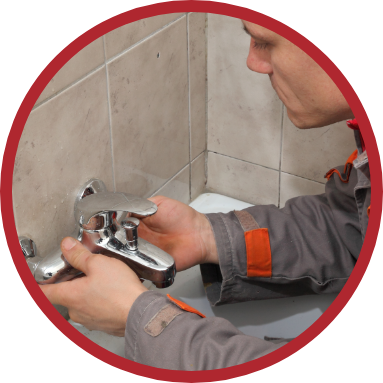
Plumber installing a chrome faucet in a bathroom sink, demonstrating professional plumbing services relevant to home maintenance in Las Vegas.

As Las Vegas homeowners, we know that maintaining a well-functioning plumbing system is essential to the comfort and convenience of our homes. However, with the desert climate and unique challenges this city presents, certain plumbing issues tend to arise more frequently. In this blog, we’ll explore the top five common plumbing problems Las Vegas residents often encounter and provide practical tips and DIY solutions to help you prevent and tackle these issues effectively. And as always, a Las Vegas plumber is always available to assist with any professional plumbing needs.

5 Common Plumbing Issues

Clogged Drains and Toilets:

With daily use, it’s no surprise that drains and toilets can easily get clogged in Las Vegas homes. Mineral deposits in the water, along with hair, soap scum, and other debris, contribute to these blockages. To prevent clogs, consider installing drain screens to catch hair and debris. Regularly flushing drains with hot water and a mixture of baking soda and vinegar can also help break down buildups. For stubborn clogs, use a plunger or a plumbing snake to clear the blockage gently.

Leaking Faucets:

The dry climate in Las Vegas can lead to accelerated wear and tear on plumbing fixtures, such as faucets. A dripping faucet not only wastes water but also adds to your water bill. To fix a leaking faucet, start by turning off the water supply under the sink. Replace worn-out washers or O-rings, and if necessary, seek professional help to address more complex issues that might require replacement parts.

Running Toilets:

A running toilet can waste a significant amount of water, affecting your utility costs. In many cases, the issue is a faulty flapper valve or a worn-out fill valve in the toilet tank. Adjusting the chain or replacing these components can often solve the problem. If the issue persists, it’s best to have a professional plumber inspect and fix any underlying issues.

Water Heater Problems:

High temperatures in Las Vegas can put extra strain on water heaters, leading to common issues like sediment buildup, leaks, or inconsistent water temperatures. To extend the lifespan of your water heater, consider flushing the tank annually to remove sediments. Insulating the pipes can help conserve energy and prevent heat loss. If you encounter any leaks or significant problems, don’t hesitate to reach out to [company_name] for professional repair or water heater replacement services.

Sprinkler System Leaks:

With outdoor irrigation systems being a crucial part of maintaining lush lawns in the desert, sprinkler leaks can lead to wasteful water usage and higher utility bills. Regularly inspect your sprinkler system for leaks, broken heads, or misaligned spray patterns. Fix any issues promptly, and consider installing a smart sprinkler controller to optimize watering schedules based on weather conditions and minimize water waste.

Call [company_name] For Any Las Vegas Plumbing Issues

As Las Vegas homeowners, being proactive in tackling common plumbing issues can save you time, money, and hassle in the long run. By implementing these practical tips and DIY solutions, you can prevent many plumbing problems and keep your plumbing system in top-notch condition. Remember, for more complex issues or professional assistance, [company_name] is here to provide reliable services and expert advice, like faucet repair and replacement, toilet repair, drain cleaning, drain repair, water heater services and more, ensuring your home’s plumbing remains efficient and problem-free.

Toilet Troubles? Don’t Let These Common Issues Get You Down

Man inspecting a toilet while talking on a smartphone, illustrating common toilet issues and the need for plumbing services.

Even though the word “commode” is French for convenient, the toilet isn’t really a convenience; it’s a necessity. The last thing you want to discover is that yours is broken when you’re feeling urgent. When the toilet is having troubles, like constant running or leaks around the base, it can be difficult to know what to do and may even require a plumbing repair. Below, you’ll find a helpful guide to common toilet issues you may come across and how a professional plumber in North Las Vegas can help you solve them.

Constant Running

Toilets are supposed to flush and refill in one smooth operation, but when something’s wrong, they can get stuck and keep running. You might also notice phantom flushing or that the tank suddenly starts to fill up for no reason. These are all signs of an issue with the fill valve. A malfunctioning fill valve could be due to a broken diaphragm, worn gasket, or loose seal. This valve can be adjusted for the toilet to work correctly.

This problem can also be caused by a leaky flapper or cracked overflow tube. To fix this issue, your plumber will likely need to replace the faulty part and inspect the wax ring and tank-to-bowl gasket for signs of wear or damage.

Leaks Around the Base

It’s easy to ignore a leaky toilet, but you shouldn’t. An under-the-radar leak can lead to water damage and mold growth in your home and increase your utility bill. Leaks are often a result of a broken or loose seal on the base, but they can be caused by a faulty wax ring or even a cracked tank.

Your plumber can help you identify the source of the leak and repair it. They may need to replace the wax ring or gasket and inspect for any other damage to the toilet.

Weak or Insufficient Flushing Power

If it takes several flushes to clear out waste or the flushing power feels weak, there may be a problem with the tank’s internal parts. A malfunctioning flush valve or broken chain can lead to an inefficient flush. A well-functioning toilet should have a strong flush that clears the bowl in one go.

Your plumber can inspect the tank for any broken parts that need to be replaced and test the flushing power to ensure there are no other issues.

Clogs and Blockages

Clogs and blockages are the most common toilet issues. They can be caused by anything from foreign objects getting stuck in the pipes to a buildup of mineral deposits. These can lead to slow drainage or a complete blockage, which can be frustrating and difficult to remove.

To clear out stubborn clogs, you’ll need professional help from your plumber. They can use specialized tools and techniques to remove whatever is causing the obstruction and get your toilet working properly again.

The Handle or Flush Mechanism Not Working Properly

The handle and flush mechanism are responsible for flushing. So, if it’s not working properly, you’ll need to fix it immediately. Common issues include a broken chain, stuck flappers, and worn seals.

Your plumber can assess the handle and flush mechanism and make any necessary repairs. They may need to replace certain parts and inspect the tank for signs of damage or wear.

Unpleasant Odors Emitting From the Toilet

If you notice an unpleasant smell coming from your toilet, this could be a sign of a blockage in the drain or pipes. It could also mean something is leaking inside the tank, which can cause mold and bacteria to grow. It could also be an issue with the wax ring or gasket.

To eliminate the smell, your plumber can inspect the toilet for any blockages or leaks and repair them as necessary. They may also need to replace the wax ring or gasket since each of these can weaken over time.

Toilet issues are not something to take lightly. They can cause a lot of damage if left unchecked. It’s best to enlist a professional plumber from [company_name] immediately. With our help, you can quickly get your plumbing up and running. We can also assist you with leak detection, drain clogs, re-piping, water treatment, and tankless water heater installation. Contact us at [company_name] today to schedule an appointment anywhere in the North Las Vegas vicinity.

Regular Plumbing Inspections

Loyalty Plumbing service van featuring a friendly dog mascot and contact information, parked in a residential area, emphasizing reliability and community service for Las Vegas homeowners.

As homeowners, we often take our plumbing systems for granted, expecting them to work flawlessly day in and day out. However, behind the scenes, our pipes and fixtures are constantly under pressure, and over time, wear and tear can take a toll on their performance. That’s why regular plumbing inspections are not just a luxury; they are a necessity. At Loyalty Plumbing & Air, we believe in the power of preventive maintenance to keep our customers satisfied and their pipes intact. In this blog post, we will explore the importance of regular plumbing inspections and how they contribute to customer loyalty while preserving the integrity of plumbing systems.

  • 1. Preventing Costly Emergencies: Plumbing emergencies can be disruptive, inconvenient, and expensive. Regular inspections act as a proactive measure to identify potential issues before they escalate into major problems. By detecting leaks, blockages, or faulty components early on, our skilled plumbers can address these concerns promptly, saving customers from unexpected expenses and inconveniences.
  • 2. Extending the Lifespan of Plumbing Systems: Just like any other mechanical system, plumbing systems have a finite lifespan. However, with proper care and regular inspections, that lifespan can be extended significantly. By identifying and addressing minor issues during inspections, our technicians help customers avoid premature deterioration of their pipes, fixtures, and appliances. This not only saves them money but also fosters loyalty by demonstrating our commitment to their long-term satisfaction.
  • 3. Ensuring Efficient Water Usage: Water conservation is a growing concern for both environmental and financial reasons. Regular inspections allow us to assess the efficiency of plumbing systems and identify areas where water is being wasted. From leaky faucets to inefficient toilets, our professionals can make recommendations for upgrades or repairs that promote water conservation. Customers appreciate these efforts to reduce their environmental impact and lower their utility bills, strengthening their loyalty to our services.
  • 4. Maintaining Health and Safety: Plumbing issues can have a direct impact on the health and safety of homeowners and their families. Hidden leaks can contribute to mold growth, compromising indoor air quality and causing respiratory problems. Blockages in sewer lines can lead to backups and unsanitary conditions. Regular inspections help us detect these potential health hazards and take corrective measures promptly, ensuring the well-being of our customers and their loved ones.
  • 5. Building Trust and Long-Term Relationships: Regular plumbing inspections are not just about fixing problems but also about building trust and nurturing long-term relationships with our customers. By proactively reaching out to schedule inspections, we show our commitment to their satisfaction and demonstrate that we care about their plumbing systems’ performance. This level of attentiveness fosters loyalty and encourages customers to rely on us for all their plumbing needs.

Regular plumbing inspections are the foundation of a proactive and customer-centric approach to plumbing services. By preventing emergencies, extending the lifespan of plumbing systems, promoting water conservation, and ensuring health and safety, these inspections provide tangible benefits to homeowners. At Loyalty Plumbing & Air, we prioritize the well-being of our customers and the longevity of their plumbing systems, offering peace of mind and fostering loyalty. Schedule your next plumbing inspection with us and experience the difference it can make in preserving the integrity of your pipes while ensuring your satisfaction for years to come.

6 Ways to Tell Where the Water Leak Is Coming From in Your Home

Bathroom scene featuring a toilet and bathtub, emphasizing plumbing fixtures and flooring, relevant to plumbing maintenance and inspections.

If you suspect a water leak in your home, it is important to identify where the water is coming from. Knowing the source of the leak can help you decide what repairs need to be made and how to do them. Below, you’ll find step-by-step instructions on how to locate a water leak in your residence.

1. Inspect the Plumbing System

Look for signs of leakage, such as wet spots on walls, floors, or ceilings; water stains on pipes and fixtures; excessive moisture near bathrooms and sinks; and musty odors emanating from walls or appliances. When inspecting the plumbing, pay special attention to joints and seals, as these are typically the first places to develop a leak.

Additionally, look for any signs of damage to the plumbing infrastructure, such as cracks or breaks in pipes, corroded fixtures, and loose connections. This will help you narrow down the source of the leak faster.

2. Check the Water Meter

Your water usage is recorded on a water meter connected to your plumbing system. If the meter is not accurately recording the amount of water you are using, it could indicate a leak somewhere in your home.

To check for this, turn off all water-using appliances in your house and then check the water meter. If it continues to move while everything is off, you likely have a leak. Also, if you notice a spike in your water bill, this could mean that you have a leak somewhere in your house.

3. Check the Roof, Attic, and Exterior Walls

If there has been damage or wear and tear, these are the most likely areas to develop a water leak. Inspect the roof for any visible signs of damage, such as missing shingles, cracked tiles or flashing, or mold and rot. Additionally, check around skylights and chimneys for signs of leakage.

Next, inspect the attic and exterior walls for moisture. If there is pooled water present, this could be a sign that your home has a leaky roof or broken gutter system. Finally, look at all window and exterior door frames for signs of water seepage or condensation. If there is seepage, you should see signs like water discoloration or mold.

4. Check Appliances and Fixtures

Appliances and fixtures can also guide you in finding the water leak in your home. Inspect items such as the washing machine, dishwasher, refrigerator, toilets, tubs, and showers for any signs of moisture or leaking. If you notice any wet spots around the appliance or fixture base, it could indicate a water leak.

If you cannot find any visible signs of leakage at these locations, you can also try turning them on and off to check for any abnormal behaviors with water pressure. This can help pinpoint a specific area causing the leak, making repairs much easier.

5. Listen for Running Water and Check Faucets

The sound of running water can help identify the whereabouts of a leak. Listen carefully for any strange noises coming from hidden pipes or walls, and take note of areas where these sounds are louder.

When examining faucets, check the area around them for any moisture or buildup and test them to ensure they are not leaking. Also, don’t forget to look inside cabinets and drawers beneath sinks for any signs of water seepage or mold.

6. Call in a Plumber

If you’re struggling to locate the source of the water leak, it’s best to call in a professional plumber. Plumbers have sophisticated tools that can help them identify leaks hidden behind walls or floors as well as leaks in the pipes that supply the water to your home.

Moreover, experienced plumbers have an eye for detail and can spot subtle signs of water damage that an untrained eye may miss. By hiring a plumber, you’ll enjoy the peace of mind that comes with knowing the leak will be fixed correctly the first time. A plumbing company like ours at [company_name] can provide you with the necessary expertise to detect and repair water leaks anywhere in Las Vegas, NV or the surrounding areas.

Finding the source of a water leak can be arduous and complex. However, following these steps gives you a better idea of where to look for the issue. Remember, if you cannot locate the leak’s source, don’t hesitate to call a professional plumber. They have tools to help them pinpoint exactly what is causing your leak and the expertise to know how best to fix it.

At [company_name], we provide dependable and professional services in plumbing installation and maintenance, leak detection, clogged drains, and more to residents of Las Vegas. Contact us today to get your home’s plumbing issue taken care of quickly and correctly.

Eco-Friendly Plumbing: Sustainable Practices for a Greener Home

Tree shaped like a globe made of green leaves, representing eco-friendly plumbing solutions by Loyalty Plumbing, featuring a golden retriever logo and a blue banner.
Updated: May 21, 2024

In an era where environmental concerns are at the forefront, adopting eco-friendly practices has become increasingly important. One area where you can make a significant impact is in your home’s plumbing system. Loyalty Plumbing & Air understands the significance of sustainability and offers a range of eco-friendly plumbing solutions to help you create a greener home. In this blog post, we will explore some sustainable practices and technologies that Loyalty Plumbing & Air recommends for a more environmentally friendly and efficient plumbing system for your Henderson home.

  • 1. Water Conservation Fixtures: One of the most effective ways to conserve water is by installing water-efficient fixtures. Loyalty Plumbing & Air can help you upgrade your faucets, showerheads, and toilets to low-flow alternatives that reduce water consumption without sacrificing performance. These fixtures utilize innovative designs to deliver adequate water pressure while significantly cutting down on water usage, ultimately reducing your utility bills and minimizing your ecological footprint.
  • 2. Tankless Water Heaters: Traditional water heaters continuously consume energy to keep a large tank of water hot, even during periods of inactivity. However, tankless water heaters, recommended by Loyalty Plumbing & Air, offer an energy-efficient alternative. These systems heat water on-demand, eliminating the need for a storage tank and reducing energy waste. By installing a tankless water heater, you can enjoy endless hot water while lowering your energy consumption and utility costs.
  • 3. Greywater Recycling Systems: Loyalty Plumbing & Air can assist in implementing greywater recycling systems in your home. Greywater refers to gently used water from sinks, showers, and laundry, which can be repurposed for non-potable uses such as irrigation and flushing toilets. By capturing and treating greywater, you can significantly reduce your freshwater consumption and contribute to conserving this precious resource.
  • 4. Leak Detection and Repair: Undetected leaks can result in substantial water waste and damage to your property. Loyalty Plumbing & Air offers advanced leak detection services in Henderson, utilizing cutting-edge technology to identify hidden leaks promptly. By promptly addressing leaks, you can conserve water, prevent water damage, and lower your water bills.
  • 5. Sustainable Drainage Solutions: Loyalty Plumbing & Air can help you implement sustainable drainage solutions that reduce the strain on public sewage systems and minimize water pollution. By incorporating features such as rainwater harvesting systems, permeable paving, and rain gardens, you can collect and manage rainwater responsibly, allowing it to replenish the groundwater and reducing the burden on municipal sewage infrastructure.

Plumbing Tips from Buddy the Golden Retriever: Unleash a Paw-some Home Plumbing Experience!

Golden retriever wearing a red bandana, holding a wrench in its mouth, symbolizing Loyalty Plumbing's friendly and approachable service.

Discover seven crucial plumbing tips to keep your home’s plumbing system in optimal condition. Read our blog post for expert advice and learn how to prevent common plumbing issues. Maintaining a well-functioning plumbing system is essential for a comfortable and hassle-free home. From preventing leaks to conserving water, implementing a few key plumbing tips can go a long way in ensuring the longevity and efficiency of your system. In this blog post, we’ll share seven essential plumbing tips to help you avoid costly repairs and maintain a healthy plumbing system.

1. Regular Leak Checks: Check for leaks in your plumbing system regularly. Look for dripping faucets, water stains, or unusually high water bills. Fixing leaks promptly can save water and prevent damage to your home.

2. Proper Drain Care: Avoid pouring grease, oil, or other food waste down the drain, as they can cause clogs and buildup. Use drain strainers to catch hair, debris, and other particles that can lead to blockages. Regularly clean the strainers to maintain proper drainage.

3. Be Mindful of What You Flush: To prevent toilet clogs, only flush toilet paper and human waste. Avoid flushing items like baby wipes, feminine hygiene products, or cotton balls, as they can cause blockages in your plumbing system.

4. Prevent Frozen Pipes: Insulate exposed pipes in cold areas of your home, such as basements, crawl spaces, and attics. During extremely cold weather, leave cabinet doors open to allow warm air to reach the pipes. Drip faucets slightly to keep water flowing and prevent pipes from freezing.

5. Water Pressure Regulation: High water pressure can strain your plumbing system and lead to leaks or bursts. Install a pressure regulator to maintain a safe and optimal water pressure level throughout your home.

6. Water Heater Maintenance: Flush your water heater annually to remove sediment buildup, which can affect its efficiency and lifespan. Check the temperature settings and consider insulating the tank to conserve energy and reduce heat loss.

7. Know Your Main Water Valve: Familiarize yourself with the location of your main water valve. In case of a plumbing emergency, such as a burst pipe, shutting off the main valve quickly can minimize water damage to your home. Test the valve periodically to ensure it is functioning correctly.

By following these seven essential plumbing tips, you can proactively maintain your plumbing system and prevent common issues. Regular leak checks, proper drain care, mindful flushing, preventing frozen pipes, regulating water pressure, water heater maintenance, and knowing your main water valve are key steps towards a well-maintained home. Remember, a little preventative maintenance can save you from costly repairs and ensure the smooth functioning of your plumbing system.

Plumber’s Guide to Garbage Disposal Maintenance: Keeping Things Flowing Smoothly

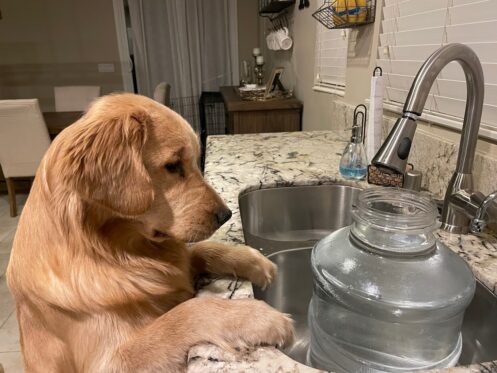
Golden retriever curiously looking at a water dispenser in a kitchen sink, highlighting the importance of water conservation and plumbing maintenance.

Many homeowners underestimate the importance of regular maintenance for this essential kitchen appliance. By following a few simple maintenance tips, you can extend the lifespan of your garbage disposal, prevent costly repairs, and keep your kitchen running smoothly.

1. Know What You Can and Can’t Dispose Of

One of the most crucial aspects of garbage disposal maintenance is understanding what should and shouldn’t go down the drain. Hard items like bones, fruit pits, and shells can damage the blades and motor, leading to clogs and malfunctions. Fibrous materials like celery or corn husks can wrap around the blades, causing blockages. Always dispose of food scraps in small quantities, ensuring that water runs while the disposal is in use.

2. Keep It Clean

Regular cleaning is key to maintaining a healthy garbage disposal. Start by pouring a mixture of vinegar and baking soda down the drain to eliminate odors and remove buildup. You can also use citrus peels or ice cubes to freshen and sharpen the blades. Avoid using harsh chemicals as they can damage the disposal and pipes. Additionally, periodically scrubbing the rubber baffle and visible parts of the disposal with a brush will prevent the accumulation of grime and food debris.

3. Run Cold Water

Whenever you use the garbage disposal, make it a habit to run cold water before, during, and after the process. Cold water solidifies any grease or oils, allowing them to be ground up and carried away. Hot water, on the other hand, can liquefy fats, leading to clogs further down the plumbing system. Keep the water running for about 30 seconds after turning off the disposal to ensure all waste has been flushed out.

4. Avoid Overloading

Remember that garbage disposals are designed to handle small amounts of food waste at a time. Overloading the unit can strain the motor, wear down the blades, and increase the risk of clogs. Cut large food items into smaller pieces before feeding them into the disposal. By taking this precaution, you’ll prevent jams and keep the disposal running smoothly.

5. Regular Inspections

A proactive approach to garbage disposal maintenance includes periodic inspections. Check for leaks, strange noises, or any signs of wear and tear. If you notice any issues, contact a professional plumber to address the problem before it escalates into a major repair. Plumbers have the expertise to identify and resolve potential problems, ensuring your garbage disposal operates efficiently for many years.

Garbage disposals are an invaluable tool in any kitchen, but they require regular maintenance to keep them in top shape. By following these essential tips from a plumber’s standpoint, you can prevent costly repairs, avoid clogs, and extend the lifespan of your garbage disposal.

Remember, a well-maintained garbage disposal not only keeps your kitchen clean and odor-free but also contributes to the overall health of your plumbing system. Invest a little time and effort into maintenance today, and you’ll reap the benefits of a smoothly functioning garbage disposal for years to come. If you’re ever in need of garbage disposal repair or installation, don’t hesitate to contact [company_name]!

The Pros and Cons of DIY Plumbing vs. Hiring a Professional

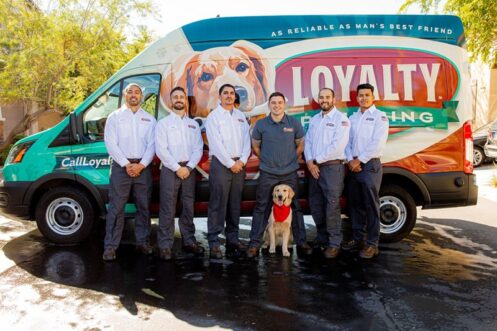
Team of plumbers from Loyalty Plumbing posing in front of their branded service van, featuring a friendly dog, emphasizing community and reliable plumbing services in Las Vegas.
Updated April 23, 2024

When faced with a plumbing issue, North Las Vegas homeowners often find themselves at a crossroads: Should they attempt to tackle the problem themselves or call in a professional plumber? [company_name] understands this dilemma and aims to shed light on the pros and cons of DIY plumbing versus hiring a professional. By weighing the advantages and disadvantages, you can make an informed decision that best suits your needs and ensures a successful plumbing experience.

Pros of DIY Plumbing

1. Cost Savings
One of the most enticing benefits of DIY plumbing is the potential for cost savings. By bypassing professional service fees, you can save money on small repairs or installations.

2. Immediate Action
With a DIY approach, you have the flexibility to address plumbing issues as soon as they arise. You don’t have to wait for an appointment or rely on someone else’s schedule.

3. Learning Experience
Taking on a plumbing project yourself can provide valuable hands-on experience and knowledge about your home’s plumbing system. It empowers you to handle minor repairs confidently in the future.

Cons of DIY Plumbing

1. Lack of Expertise
Plumbing systems are complex, and a lack of knowledge and experience can lead to mistakes and further damage. Incorrect repairs or installations can result in costlier repairs down the line.

2. Time and Effort
Plumbing projects often require time, effort, and patience. Without the necessary skills and tools, what might seem like a straightforward task can quickly turn into a frustrating and time-consuming endeavor.

3. Safety Concerns
Plumbing work involves dealing with water, gas lines, and potentially hazardous materials. Without the proper training and equipment, there is a higher risk of accidents or injury.

Pros of Hiring a Professional Plumber

1. Expertise and Experience
Professional plumbers undergo rigorous training and possess extensive knowledge of plumbing systems. They can accurately diagnose issues, provide effective solutions, and ensure high-quality workmanship.

2. Time and Convenience
Hiring a professional plumber allows you to save time and effort. Plumbers have the necessary tools, equipment, and expertise to handle tasks efficiently, minimizing disruption to your daily routine.

3. Guaranteed Results
Professional plumbers stand by their work and often offer warranties on plumbing repairs or installations. This assurance gives you peace of mind, knowing that the job was done right the first time.

Cons of Hiring a Professional Plumber

1. Cost
Professional plumbing services come at a price. Hiring a plumber means paying for their expertise, equipment, and time. However, it’s important to weigh this cost against the potential risks and consequences of DIY mistakes.

2. Scheduling Constraints
Depending on availability, you may need to wait for an appointment with a professional plumber. In emergency situations, prompt assistance may not always be guaranteed.

Call Us Today!

Deciding between DIY plumbing and hiring a professional is a personal choice that depends on various factors such as your skill level, the complexity of the task, and your budget. While DIY plumbing can save you money and provide a learning experience, it’s crucial to recognize the limits of your abilities and consider the potential risks involved. When in doubt, it’s wise to consult a professional plumber who can offer expertise, ensure safety, and deliver reliable results. At [company_name], we recommend a balanced approach that prioritizes safety, efficiency, and long-term peace of mind.

Contact our plumbing team in North Las Vegas today!

Contact Us

Why Soft Water Is Better Than Hard Water

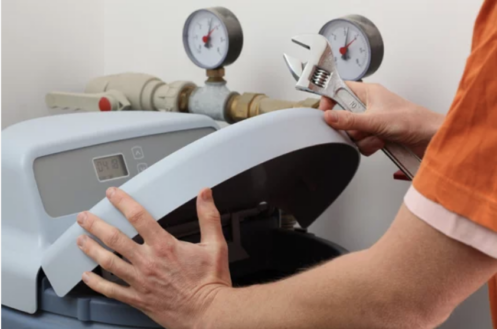
Plumber using a wrench to service a water treatment system, illustrating the importance of soft water for plumbing and skin health.

It might surprise you, but all water is not the same. Perhaps you’ve heard of hard water and soft water, but you’re still not quite sure what it all means. This is a very important question because 85% of the water in the United States is hard water, and you may have begun to suspect that it isn’t the best thing for you and your family. Let’s examine this issue in detail.

What Is Hard Water?

Hard water is simply water that contains minerals such as magnesium and calcium. Although these are good for the human body in small quantities, they are not particularly good for washing. Specifically, bathing in hard water leads to dry skin, and washing your hair in it leads to a dry scalp. Hard water disturbs the natural pH balance of your skin. When the pH of your skin is balanced, it provides a protective barrier against infections and bacteria.

Hard water also causes other negative results. It could be the reason your water heater, washing machine, dishwasher, and shower head all succumb to early deaths. That’s because the mineral deposits left within these appliances and components accumulate as scale, crusting and clogging both interior and exterior surfaces. Therefore, hard water causes you to spend more of your money on new appliances than soft water does.

Is Hard Water Contaminated?

No. Merely containing more minerals does not make hard water contaminated. To be contaminated, water would need to have high levels of bacteria or germs. Water purification is different issue.

What Are the Signs of Hard Water?

You may believe you have hard water but wonder how you would determine for certain. Several states are known to have the hardest water. They include California, Arizona, Kansas, New Mexico, and Texas. If you live in one of these, make a point of checking for the following signs of hard water

Reduced Water Pressure

Low water pressure in your home is one possible indication of hard water. That’s because mineral deposits remain in the pipes and leave the water less room to flow through.

Mineral Stains on Your Clean Clothes

Right after you take your clothes out of the washing machine, do you notice stains on them? That’s another symptom. The fact that hard water is so harsh also causes clothing washed in it to wear out faster.

A Film on Your Hands After Washing Them

When soap and calcium interact, they create soap scum. This means that you must rinse your hands for a longer period of time after you wash with hard water.

What Is Soft Water?

Soft water is water that does not contain much dissolved magnesium, iron, or calcium. It does contain sodium ions. Soft water is highly beneficial to you because it doesn’t deposit minerals into your plumbing system or cause clogs. Because of this, minerals cannot reduce your water pressure.

Why Do You Need a Softening System?

Washing with hard water causes soap film to be left behind. When you wash with soft water, this doesn’t happen. It keeps your washing machine, sinks, and bathtubs cleaner. When you take your glasses out of the dishwasher, you will notice that there aren’t as many spots on them. The fact that soft water does not leave mineral deposits in your appliances will make them last longer. It will prevent mineral deposits from forming in your water heater, fixtures, and pipes.

How Does Water-Softening Work?

When water enters the water-softening system, it travels through resin that contains positively charged sodium ions. The sodium begins to take the place of calcium and magnesium in the water. To make sure that your water-softening system continues to work at peak performance, you must maintain a regular maintenance schedule.

Is it Safe to Soften Water?

Softening water adds sodium ions to the liquid, so if a member of your family is on a low-sodium diet, you must determine how much sodium a potential water softening system will add to your water. For most people in most areas, this isn’t a problem, but if you are concerned about your blood pressure, you ought to speak to your physician before you purchase a water-softening system.

At [company_name] in Las Vegas, our plumbers can help you select the best water treatment system, but our services don’t end there. We can also offer you a complete array of plumbing services, including repiping, help with clogged drains, leak detection, and tankless water heaters.

To learn more about a new water softening system, call [company_name] today, and we’ll arrange a consultation!