5 Unexpected Ways Hard Water Can Damage Your Home

Showerhead dispensing water with steam, illustrating plumbing maintenance and addressing hard water issues.

Hard water is one of those things that many homeowners deal with without realizing they have it. Unfortunately, hard water can wreak havoc on your home and your appliances. In this discussion, we’re going to go over what it is and what you can do to prevent experiencing these unfortunate issues.

What Is Hard Water?

Technically, hard water is water that has a high concentration of minerals. These minerals are commonly calcium and magnesium. The more minerals your water has, the higher it’s rated on the hardness scale. In general, when your water has 61 or more mg/L (milligrams per liter) of calcium carbonate, it’s considered to be hard. Hard water is the result of water percolating through deposits of limescale, gypsum, or chalk. It’s estimated that over three-quarters of the entire U.S. population has hard water to some degree.

Top Signs You Have Hard Water

Determining if you have hard water in your home is fairly easy if you pay attention to the main signs of it. One of the most obvious indications you’ll experience when you have hard water at your home is limescale buildup. This is a white film that will build up on your plumbing fixtures and sinks over time. This limescale is created by water drying out and the magnesium and calcium in the water remaining behind as a white film.

Another way to determine if you have hard water in your home is to do a water test. You can do this yourself or have a professional do a more thorough evaluation for you. They’ll be able to test for what contaminants are in your water and at what concentration levels.

1. Corroding Pipes

One of the most significant ways that hard water can damage your home is through pipe corrosion. Minerals tend to eat away at piping materials like copper or even galvanized steel. Over time, the internal corrosion of your pipes can get so bad that it restricts water flow through them. You may experience low water pressure issues. You may also experience a discoloration of your water as the internal rust of your pipes starts to come out. Hard water is known to significantly reduce the life span of household piping materials.

2. Causing Water Heater Inefficiency

Another way that hard water can potentially affect your home is by making your water heater less efficient. Hard water is much more challenging to heat than soft water. Your water heater will have to exert more energy to heat up hard water and maintain the temperature. Furthermore, hard water can also affect the internal components of your water heater. Just as hard water can cause corrosion inside your piping, it can do the very same thing inside your water heater tank. As the corrosion starts to get bad, your water heater may start to leak at its bottom or it could allow rust flakes to enter your hot water.

3. Damaging Plumbing Fixtures

Another way that hard water can affect your plumbing system is through your plumbing fixtures. As minerals start to build up inside your fixtures, they can cause deterioration of their internal components. For example, you’ll notice that the O-rings and the cartridges for many faucets will wear out relatively quickly when you have hard water in your home.

Furthermore, just like as with your piping, a buildup of minerals inside of your plumbing fixtures can restrict the water pressure of the fixture. Eventually, you’ll notice that your faucet or shower just isn’t producing enough pressure as it once did. You’ll need to replace your fixtures more often when you have hard water in your home than if you had soft water.

4. Shortening the Life of Appliances

The damage that hard water can cause doesn’t stop at just your plumbing system. It can also be extremely damaging to any of your appliances that use water to function. Appliances like your dishwasher or clothes washer will experience a buildup of minerals. This can deteriorate the internals of the appliance and greatly reduce its overall life span. Over time, as its piping and other materials continue to build up mineral deposits, you’ll notice that your appliance is less effective at doing its job.

5. Wearing Out Clothes and Linens

One lesser-known way that hard water can affect your home is through your belongings. Any of your clothing or linens that you wash in hard water are going to have a shorter life span. This is because the minerals create a film over the material that makes it much more challenging for soaps and laundry detergents to penetrate. You’ll notice that stains are very challenging to get out and your clothes seem to feel stiff instead of soft. Unfortunately, hard water could have you replacing your clothes and linens more often than necessary.

Other Effects of Hard Water

Apart from damaging components of your home, hard water can have a lot of other effects as well. It can cause you to use more laundry detergent and soaps to clean your items than would be necessary with soft water. Plus, you’ll have to regularly remove the limescale from your fixtures to keep them looking clean.

Hard water can also be very damaging to your skin and hair. Your hair will be more likely to dry out and frizz, and your skin will be more likely to be dry and rough. You’ll notice that your dishes and glasses are much harder to clean when you’re using hard water as opposed to using soft water.

How to Deal With Hard Water

By far, the absolute best way to deal with hard water in your home is to install a water softener system. This system is specifically designed to remove excess mineral and calcium deposits from your water supply. A water softener will be installed as close to your main water supply shut-off as possible. This will allow it to treat all the incoming water to your home before it ends up at your appliances and plumbing fixtures.

Investing in a water softener system is a great choice for any homeowner currently dealing with hard water. When you install it, the system will help to extend the overall longevity of your plumbing, including your piping, fixtures, and even appliances. You can also enjoy a lower energy bill for your water heater since it will operate more effectively.

Your skin and hair will feel smoother and healthier. You won’t have to worry about constantly cleaning limescale buildup off all your fixtures. You’ll spend less money on detergents and soaps throughout the year. You’ll even notice that it’s going to be much easier to clean your dishes, and your clothes will feel much softer after laundering.

Expert Plumbing Repair Service

[company_name] offers expert plumbing repair service for the Las Vegas, NV area. We can also help with all your drain, sewer, water heater, water filtration, leak detection, toilet, faucet, gas line, repiping, plumbing maintenance, and plumbing installation needs. Call us today to book a service call with one of our plumbing experts.

What Are The Signs That a Toilet Needs Repair?

Man inspecting a toilet while on the phone, highlighting common toilet repair issues and the importance of professional plumbing services.

Even though we use toilets very frequently in the home, people hardly give them a second thought until something goes wrong. The unfortunate reality is that ignoring toilet problems can lead to major hassles and even expensive water damage. The key to a clean and safe bathroom is learning to recognize when to call a professional for toilet repair.

Toilet Keeps Running

A running toilet is a very common problem that homeowners encounter. A malfunctioning flapper valve is usually to blame since it regulates the water flow from the tank to the bowl. Hence, water perpetually seeps into the bowl, leading to water waste and an increase in your water bill.

Constantly Using a Plunger for Clogs

A toilet that clogs every now and again is quite normal. However, if you find yourself reaching for the plunger on a regular basis, this can indicate a major plumbing issue. Clogs in the drain line may occur due to debris or mineral accumulation over time. Problems such as tree roots getting into the sewage pipe can make the situation worse.

Weak or Incomplete Flushing

A clogged trap or drain line can easily cause a toilet to experience weak flushing. These issues restrict the flow of water, making it impossible for enough to reach the bowl after each flush. This can lead to a lot of unnecessary flushing and water waste. It can also make using the bathroom more of a chore than it should be.

Persistent Foul Odors

Persistently bad odors might be an indication of a blockage, a broken wax seal or even sewage backup. This is an annoying problem that can also be harmful to your health. Exposure to polluted waste is a common cause of gastrointestinal infections. A plumber will be able to pinpoint the exact underlying cause of the foul smells.

Cracks in the Toilet Bowl

Finding physical damage to your toilet requires a visual inspection. The possibility of water damage and leaks caused by toilet bowl cracks is a major cause of worry. Over time, even little cracks can get bigger, leading to more damage and a higher repair bill. Repairing a cracked toilet is certainly within the realm of possibility. However, the extent to which it succeeds is often contingent upon the crack’s size and position. While epoxy or a toilet repair kit may be able to seal minor cracks, replacing the toilet is typically the best option for bigger fractures. A plumber can assess the extent of damage and determine the best course of action.

Water Leaking Out of the Toilet Base

Aside from a cracked toilet, a failed wax seal or damaged bolts may cause water to collect at the base. Water damage to the bathroom floor and other unhygienic situations are two consequences of these leaks. To prevent mold development and structural damage, it is crucial to schedule repair. Our plumber may be able to replace the wax seal or tighten the bolts to keep the water from leaking out. If these remedies don’t work, you may need to replace the toilet.

Rust or Corrosion Around the Fittings

Many parts of a toilet, including the bolts, screws and supply lines, are susceptible to rust and corrosion. The corrosion becomes worse when left exposed to dampness and hard water. Damaged fixtures diminish the quality of your bathroom experience by causing stains, bad smells and a decrease in the performance of your toilet. If you don’t fix these fittings right away, water damage, mold development and expensive repairs will spread throughout your property. One of our licensed plumbers will check the damage and identify the corroded components that need repair. They will then replace the damaged fittings with rust-resistant ones to ensure long-term performance and prevent future issues.

Toilet Won’t Flush at All

A toilet that won’t flush at all is sometimes the result of an issue with the water supply. There could also be a problem with the flushing mechanism. Toilets that don’t flush quickly lead to unsanitary conditions and frustration. Our plumber will check the flushing mechanism to see if it has any blockages or worn components. It might be necessary to replace the faulty parts to fix the problem. If there’s an issue with the water supply, we will inspect the supply line and the shut-off valve. Replacing these parts is usually a straightforward and quick way to fix a toilet that won’t flush.

Tank Doesn’t Refill After Flushing

Every time you flush your toilet, the tank should fill back up with water. There may be an issue with the fill valve or an obstruction in the water supply line if it doesn’t refill. The result of this problem can be an inconvenient and partial flush. We can carefully inspect the valve and supply line to determine the cause of your flushing issue.

Discolored Water

The water in your toilet bowl should be clear. You might notice funny-colored water if you use certain cleaning products to clean the bowl. Any time you notice rusty brown water, it’s a sign of rust in the pipes. Blue or green water may indicate corrosion in copper pipes. Water with visible discoloration is not only unsightly but also potentially dangerous to your health. If there is contamination in the water, it can cause infections.

Water in the Bowl Keeps Bubbling

When air gets trapped in the pipes because of a blockage, it can cause the water to bubble up when you flush. The presence of bubbling water is often the beginning of a more significant problem, such as a full blockage or a plumbing backup. If you schedule a repair right away, you can save yourself a lot of money and hassle later.

Toilet Is Older Than 25 Years

The performance and efficiency of your toilet will deteriorate as it gets older. Toilets that have been in use for more than 25 years usually require a full replacement. They often have outdated mechanisms that waste a lot of water when flushing, especially when compared to today’s more efficient models. Modern dual-flush toilets offer two flushing options: a lower-volume flush for liquid waste and a higher-volume flush for solid waste. High-efficiency toilets (HETs) employ cutting-edge technology to flush forcefully with only 1.28 gallons of water. This is much less than the 3.5 gallons that traditional toilets use. With smart toilets, you can expect features like automated flushing and self-cleaning.

Toilet Feels Unstable

Trying to use a toilet that feels wobbly or unstable can be dangerous. You not only risk hurting yourself while trying to use it, but the underlying cause can easily lead to other problems. Water leaks from a wobbly toilet can lead to mold growth and deterioration of bathroom fixtures. We can tighten the bolts to ensure it’s stable. It may also be necessary to install a toilet anchor to improve its stability.

[company_name] is here to meet all your toilet repair needs. We even provide emergency plumbing repair services. Our hydrojetting services are a great way to make your home more comfortable and convenient. Other services we specialize in include water filtration, gas line repairs, pipe rerouting and more.

Call us today to schedule a toilet repair in Las Vegas, NV.

Plumber’s Guide to Garbage Disposal Maintenance: Keeping Things Flowing Smoothly

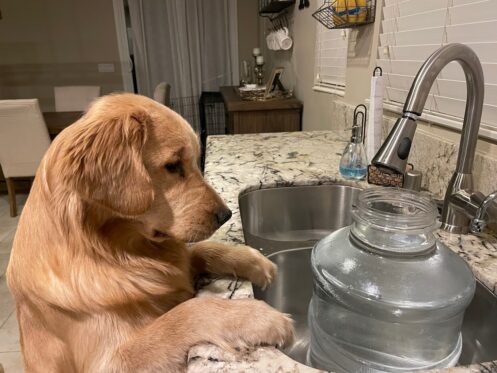
Golden retriever curiously looking at a water dispenser in a kitchen sink, highlighting the importance of water conservation and plumbing maintenance.

Many homeowners underestimate the importance of regular maintenance for this essential kitchen appliance. By following a few simple maintenance tips, you can extend the lifespan of your garbage disposal, prevent costly repairs, and keep your kitchen running smoothly.

1. Know What You Can and Can’t Dispose Of

One of the most crucial aspects of garbage disposal maintenance is understanding what should and shouldn’t go down the drain. Hard items like bones, fruit pits, and shells can damage the blades and motor, leading to clogs and malfunctions. Fibrous materials like celery or corn husks can wrap around the blades, causing blockages. Always dispose of food scraps in small quantities, ensuring that water runs while the disposal is in use.

2. Keep It Clean

Regular cleaning is key to maintaining a healthy garbage disposal. Start by pouring a mixture of vinegar and baking soda down the drain to eliminate odors and remove buildup. You can also use citrus peels or ice cubes to freshen and sharpen the blades. Avoid using harsh chemicals as they can damage the disposal and pipes. Additionally, periodically scrubbing the rubber baffle and visible parts of the disposal with a brush will prevent the accumulation of grime and food debris.

3. Run Cold Water

Whenever you use the garbage disposal, make it a habit to run cold water before, during, and after the process. Cold water solidifies any grease or oils, allowing them to be ground up and carried away. Hot water, on the other hand, can liquefy fats, leading to clogs further down the plumbing system. Keep the water running for about 30 seconds after turning off the disposal to ensure all waste has been flushed out.

4. Avoid Overloading

Remember that garbage disposals are designed to handle small amounts of food waste at a time. Overloading the unit can strain the motor, wear down the blades, and increase the risk of clogs. Cut large food items into smaller pieces before feeding them into the disposal. By taking this precaution, you’ll prevent jams and keep the disposal running smoothly.

5. Regular Inspections

A proactive approach to garbage disposal maintenance includes periodic inspections. Check for leaks, strange noises, or any signs of wear and tear. If you notice any issues, contact a professional plumber to address the problem before it escalates into a major repair. Plumbers have the expertise to identify and resolve potential problems, ensuring your garbage disposal operates efficiently for many years.

Garbage disposals are an invaluable tool in any kitchen, but they require regular maintenance to keep them in top shape. By following these essential tips from a plumber’s standpoint, you can prevent costly repairs, avoid clogs, and extend the lifespan of your garbage disposal.

Remember, a well-maintained garbage disposal not only keeps your kitchen clean and odor-free but also contributes to the overall health of your plumbing system. Invest a little time and effort into maintenance today, and you’ll reap the benefits of a smoothly functioning garbage disposal for years to come. If you’re ever in need of garbage disposal repair or installation, don’t hesitate to contact [company_name]!

The Pros and Cons of DIY Plumbing vs. Hiring a Professional

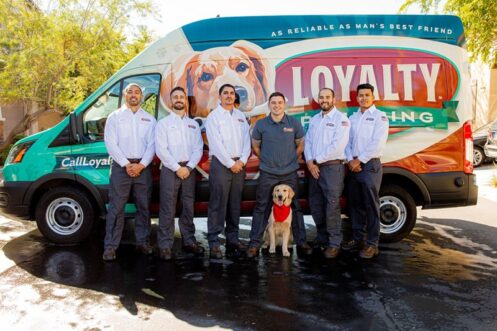
Team of plumbers from Loyalty Plumbing posing in front of their branded service van, featuring a friendly dog, emphasizing community and reliable plumbing services in Las Vegas.
Updated April 23, 2024

When faced with a plumbing issue, North Las Vegas homeowners often find themselves at a crossroads: Should they attempt to tackle the problem themselves or call in a professional plumber? [company_name] understands this dilemma and aims to shed light on the pros and cons of DIY plumbing versus hiring a professional. By weighing the advantages and disadvantages, you can make an informed decision that best suits your needs and ensures a successful plumbing experience.

Pros of DIY Plumbing

1. Cost Savings
One of the most enticing benefits of DIY plumbing is the potential for cost savings. By bypassing professional service fees, you can save money on small repairs or installations.

2. Immediate Action
With a DIY approach, you have the flexibility to address plumbing issues as soon as they arise. You don’t have to wait for an appointment or rely on someone else’s schedule.

3. Learning Experience
Taking on a plumbing project yourself can provide valuable hands-on experience and knowledge about your home’s plumbing system. It empowers you to handle minor repairs confidently in the future.

Cons of DIY Plumbing

1. Lack of Expertise
Plumbing systems are complex, and a lack of knowledge and experience can lead to mistakes and further damage. Incorrect repairs or installations can result in costlier repairs down the line.

2. Time and Effort
Plumbing projects often require time, effort, and patience. Without the necessary skills and tools, what might seem like a straightforward task can quickly turn into a frustrating and time-consuming endeavor.

3. Safety Concerns
Plumbing work involves dealing with water, gas lines, and potentially hazardous materials. Without the proper training and equipment, there is a higher risk of accidents or injury.

Pros of Hiring a Professional Plumber

1. Expertise and Experience
Professional plumbers undergo rigorous training and possess extensive knowledge of plumbing systems. They can accurately diagnose issues, provide effective solutions, and ensure high-quality workmanship.

2. Time and Convenience
Hiring a professional plumber allows you to save time and effort. Plumbers have the necessary tools, equipment, and expertise to handle tasks efficiently, minimizing disruption to your daily routine.

3. Guaranteed Results
Professional plumbers stand by their work and often offer warranties on plumbing repairs or installations. This assurance gives you peace of mind, knowing that the job was done right the first time.

Cons of Hiring a Professional Plumber

1. Cost
Professional plumbing services come at a price. Hiring a plumber means paying for their expertise, equipment, and time. However, it’s important to weigh this cost against the potential risks and consequences of DIY mistakes.

2. Scheduling Constraints
Depending on availability, you may need to wait for an appointment with a professional plumber. In emergency situations, prompt assistance may not always be guaranteed.

Call Us Today!

Deciding between DIY plumbing and hiring a professional is a personal choice that depends on various factors such as your skill level, the complexity of the task, and your budget. While DIY plumbing can save you money and provide a learning experience, it’s crucial to recognize the limits of your abilities and consider the potential risks involved. When in doubt, it’s wise to consult a professional plumber who can offer expertise, ensure safety, and deliver reliable results. At [company_name], we recommend a balanced approach that prioritizes safety, efficiency, and long-term peace of mind.

Contact our plumbing team in North Las Vegas today!

Contact Us