

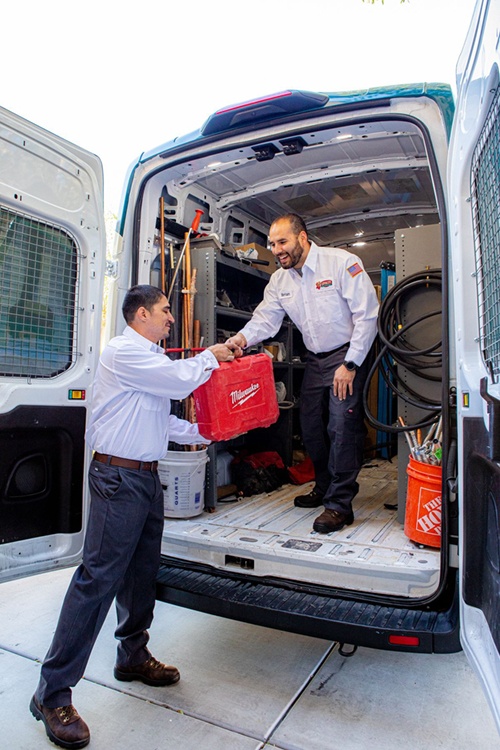
As a homeowner, plumbing issues can be some of the most frustrating and expensive problems to deal with. From clogged drains to broken pipes, plumbing issues can cause significant damage if not addressed quickly. Fortunately, avoiding costly repairs due to common plumbing disasters can be done with a little knowledge and proactive safety measures. The following are top tips on preventing plumbing problems in your home.
1. Prevent Clogging
In plumbing, one of the most common issues is clogging. From bathroom sinks to kitchen garbage disposals, keeping any drains in your home clean can help you avoid plumbing disasters down the line. To prevent clogs, ensure to only dispose of items that are appropriate for disposal.
Additionally, have a plumber regularly check all pipes and drains to ensure they are clear and not in danger of becoming blocked. To be safe when dealing with a clogged drain, harsh chemical cleaners are discouraged. A plunger or pipe snake, used by a licensed plumber, is the safest method to remove a stubborn blockage.
2. Check Your Pipes Regularly
Regular inspections of all plumbing pipes in your home can reveal any potential issues before they become a major problem. Checking for signs of corrosion, leaky joints, or weak pipes can help identify any problems with your plumbing and allow you to address them quickly. Also, check the pressure regulator on water lines to ensure it is working properly, as changes in water pressure can cause issues with some older fixtures.
3. Insulate Pipes
During colder months, exposed pipes are prone to freezing, leading to serious damage if not addressed quickly. To prevent frozen pipes from occurring, ensure all plumbing lines in your home are well insulated and sealed from cold air sources such as open windows or doors. Also, if your pipes are exposed to extremely cold temperatures, it is best to shut off the water supply and drain all water from the pipes before winter begins. This way, if a frozen pipe does occur, there will be no water in the line to cause any damage.
4. Use Water Pressure Regulators
Water pressure regulators balance the water pressure in your home’s plumbing system. This ensures your plumbing fixtures are not overworked or damaged when exposed to high pressure. Installing a water pressure regulator is easy and cost-effective to protect your plumbing system from potential damage. Ask a reliable plumber to do this for you.
These devices also protect your water heater, which is essential to keep your home running. So, ensure a water pressure regulator is installed in your home’s plumbing system as soon as possible.
5. Regular Servicing and Maintenance
For an efficient plumbing system, it is important to have regular servicing and maintenance done on all pipes and fixtures. This can keep small issues from becoming bigger problems and prevent costly repairs down the road.
For instance, keeping up with routine inspections for leaks or blockages can help you identify potential issues quickly before they become major. Replacing any old fixtures in your home with modern ones can greatly reduce the chances of plumbing disasters. If you are looking for maintenance services in Las Vegas, NV, consider checking out [company_name].
6. Soften the Water
Hard water can cause major problems for your plumbing system. Long-term exposure to hard water can lead to mineral buildup in pipes and fixtures, which can clog drains and reduce the efficiency of your home’s hot water supply. To soften the water, you can have a whole-house water softener or a point-of-use softener installed. This will protect your plumbing from potential damage.
You could also use a water filter system to remove the minerals from the hard water. By keeping the levels of hard minerals in your home’s plumbing system low, you can avoid any long-term issues related to hard water.
7. Be Aware of Warning Signs
The most important and effective way to prevent plumbing issues in your home is to be aware of the warning signs. If you notice unusually low water pressure, strange sounds coming from pipes or drainage, foul odors from drains, or slow-draining showers or tubs, it’s important to address these issues quickly. Ignoring these warning signs could lead to bigger problems, so consult a professional plumber if you see anything out of the ordinary with your plumbing system.
Conclusion
Following these tips can protect your home’s plumbing system from potential issues and costly repairs. Not only will this save you time and money in the long run, but it will also assure you that your home is safe from any potential disasters related to plumbing. At [company_name], we provide a wide range of plumbing services in Las Vegas, NV and the surrounding areas to keep your home safe and functioning properly. Our experienced plumbers can help with everything from routine maintenance to emergency repair. Call us today to schedule an appointment.

