
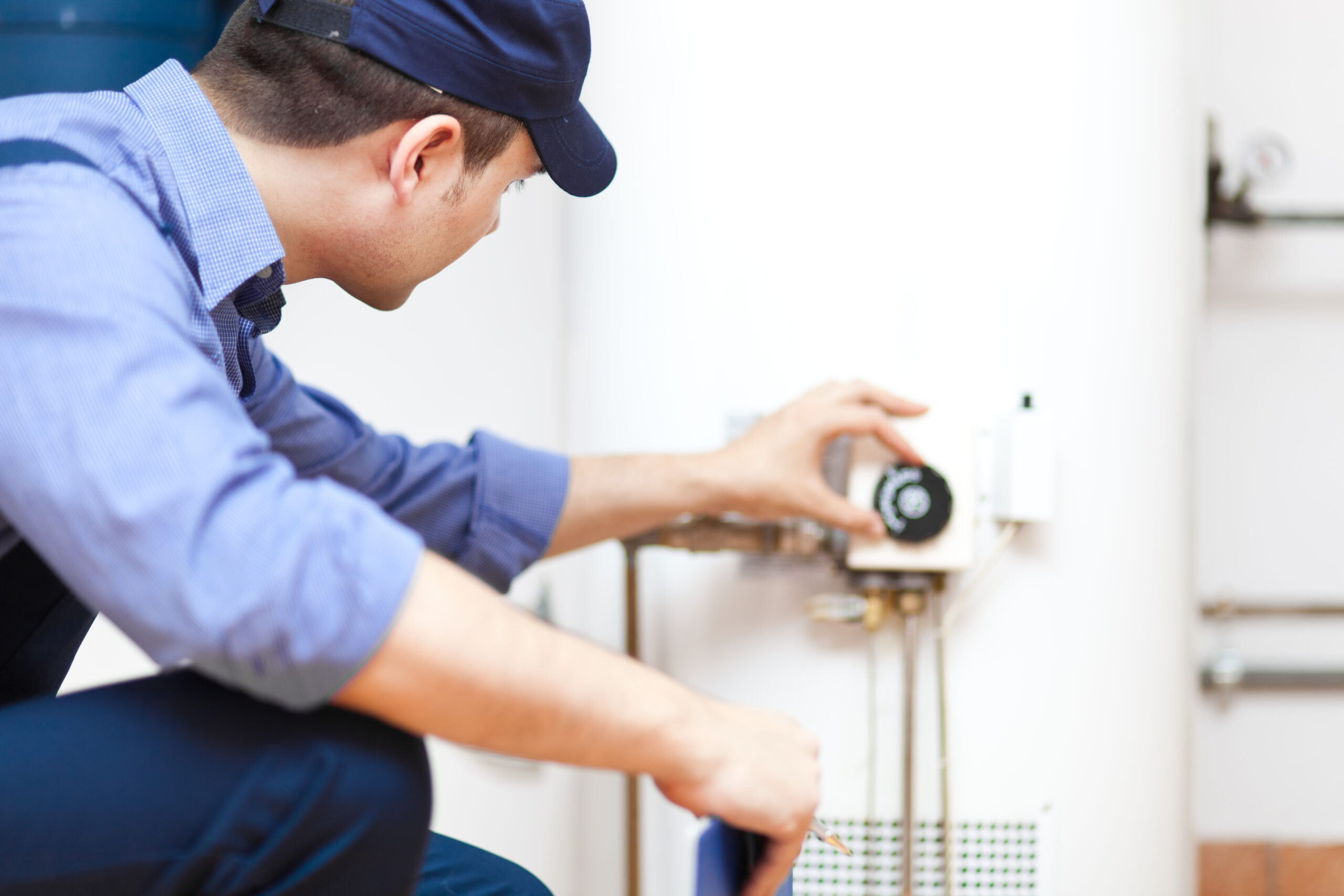
Are Tankless Water Heaters the Future?

If you’re like most homeowners in Las Vegas, NV, you’re likely used to getting your home’s hot water from a large storage tank water heater. They are, by far, the dominant type of residential water heater used in the US today. There are good reasons for that, too. They’re based upon mature technology, they’re reliable, and they’re inexpensive, too. But they’re far from perfect. That’s why tankless water heaters are slowly gaining popularity here and elsewhere in the US. Here is everything you need to know about tankless water heaters and whether they’re the future of residential hot water.

What Is a Tankless Water Heater?

As their name implies, tankless water heaters are devices that can supply hot water without the need for a storage tank. They do so on demand, using high-powered electric heating elements or high-efficiency natural gas burners. Tankless water heaters have a history that stretches back almost as far as their storage tank cousins, with the first functioning models appearing in the 1890s. However, those models were extremely inefficient and couldn’t compete with the storage tank water heaters of the day.

However, by the 1970s, tankless water heater technology advanced to the point that it could compete with storage tanks in terms of operational efficiency. It didn’t take very long after that for tankless water heaters to claim the efficiency crown. At that point, multiple European countries started to adopt tankless water heaters for residential use, both because they saved space and because they saved energy, which remains at a premium there.

The Advantages of Tankless Water Heaters

Besides efficiency, the biggest advantage of tankless water heaters is their ability to supply endless quantities of hot water. Unlike storage tank models, there’s no recovery period once the stored hot water runs out. Tankless models turn on when you request hot water and stay on until you’re finished.

Tankless water heaters also take up much less space than storage tank models and don’t run as high of a risk of leaking. Storage tank water heaters can wear out and burst, leading to significant water damage to your home. Tankless models only consist of a series of pipes and a heat exchanger, so they’re not prone to that type of failure.

The simplicity of tankless water heaters also increases their longevity. On average, you can expect around 20 years of reliable service from a tankless water heater. That’s close to double what you’d get from a comparable storage tank model.

The Disadvantages of Tankless Water Heaters

Tankless water heaters do come with some trade-offs, especially if you’re used to a storage-tank water heater. The biggest among them is that tankless water heaters have limited flow rates. That means you can’t use hot water in multiple parts of your home simultaneously with most models. To do that, you’d either need to spend more money on a model with a higher flow rate or install multiple units to meet your household demand.

Tankless water heaters also cost significantly more than comparable storage tank models. On average, you can expect to pay roughly double for a tankless water heater. However, the extended longevity they offer does ameliorate that disadvantage somewhat. Plus, your upfront costs may be higher than you expect if your home needs significant plumbing changes to accommodate a tankless water heater.

Are Tankless Water Heaters the Future?

It’s impossible to say if tankless water heaters will come to dominate the residential hot water market here in Las Vegas in the future. While they are certainly gaining popularity here, it’s unlikely that they’ll supplant storage tanks anytime soon. And storage tanks have a new trick up their sleeves that may help them stay on top for the foreseeable future. That trick is the incorporation of heat pump technology, which gives them a major efficiency advantage over today’s tankless models. So, at the moment, the likeliest outcome is that tankless and storage tank water heaters will continue battling it out for supremacy in Las Vegas homes going forward.

The good news is that whether you need a storage tank or a tankless water heater for your Las Vegas home, [company_name] can help. We specialize in the installation and maintenance of both types of water heaters. Plus, we offer comprehensive plumbing services, drain repair and cleaning, water treatment, leak repairs, gas line services, and more. We’re your one-stop shop for your Las Vegas home’s plumbing needs. When the time comes for a new water heater for your Las Vegas home, call us today.
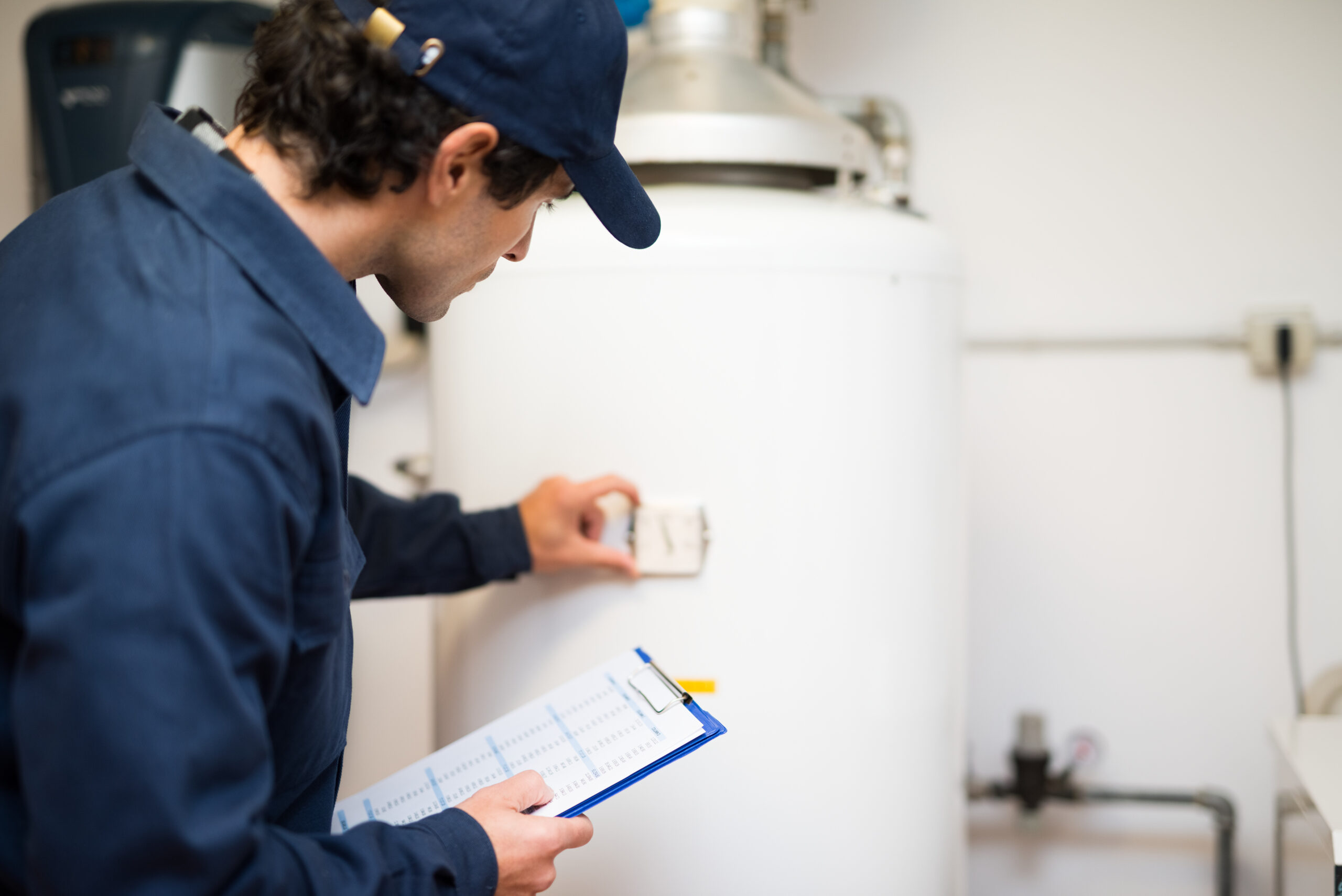
How Frequently Does My Water Heater Need Maintenance?

How Frequently Does My Water Heater Need Maintenance?

Your water heater is one of those home appliances you probably don’t think much about—until you step into a cold shower on a chilly morning. Understanding how to maintain this essential piece of equipment can save you from unexpected breakdowns and even help you save on your energy bills. Read on to understand the frequency and types of maintenance required for different kinds of water heaters.

Types of Water Heaters and Their Maintenance Needs

Tankless Water Heaters

Tankless water heaters, also known as on-demand water heaters, have gained prominence for their high efficiency and compact size. These units only heat water as it’s needed, so they don’t store hot water, which saves on energy costs. However, their highly efficient operation can be compromised if they’re not well-maintained. One common issue is the build-up of mineral deposits, which can affect the heating element and decrease efficiency. Electrical connections must also be checked for any signs of loosening or corrosion. The recommended maintenance frequency for tankless water heaters is once a year to ensure their continued optimal operation.

Traditional Tank Water Heaters

Traditional tank water heaters are the most commonly found in homes. These units store water in an insulated tank and heat it to a preset temperature. Over time, sediment and minerals can accumulate at the bottom of the tank, potentially corroding it and reducing the unit’s efficiency. Periodic flushing of the tank is essential to remove these deposits. Additional checks should include an inspection for rust and corrosion in both the tank and its associated pipes and valves. Maintenance for traditional water tank heaters should ideally be performed twice a year.

Heat Pump Water Heaters

Unlike traditional water heaters that use a heating element or a gas burner to heat water, heat pump water heaters use electricity to move heat from the surrounding air into the water in the tank. This process is much more energy-efficient, as it leverages existing heat rather than creating it from scratch. However, because these water heaters rely on a heat exchange process, the air filters within these units can become clogged. This can force the system to work harder, reducing its overall efficiency. Regular checks should also be made for refrigerant leaks, which can compromise the unit’s performance. We recommend having your heat pump water heater inspected at least once a year.

Common Signs That Your Water Heater Needs Immediate Maintenance

Inconsistent Water Temperature

If you’re experiencing abrupt changes from hot to cold water or vice versa, the likely culprits are usually the thermostat or heating element. An aging thermostat may lose its calibration and fail to regulate the temperature effectively. Alternatively, a malfunctioning heating element could result in incomplete heating of the water in the tank. These inconsistencies can make showers and household chores an uncomfortable experience and signal that immediate maintenance is necessary.

Strange Noises

If your water heater starts making cracking or popping noises, it’s generally an indicator of mineral and sediment build-up at the bottom of the tank. When water trapped under these layers heats up, it produces steam that rises through the sediment, causing these strange sounds. The noises aren’t just a minor annoyance; they signify that your water heater is working harder than it should. The sediment itself can also corrode the tank over time.

Water Discoloration

Discovering rusty water coming from your taps is a significant red flag. Typically, this issue is caused by the internal corrosion of either the water tank or the pipes leading to and from it. If it’s the tank, that’s a serious problem because corrosion can weaken the tank’s structural integrity and lead to leaks or even bursting. In some cases, the discoloration may be a result of sediment mixing with the water. Regardless of the reason, discolored water is a sign that your system needs immediate attention.

Leaks

You should be concerned if you see water pooling around the base of your water heater. A leak could be caused by various factors, from a loose valve to a crack in the tank. Leaks can lead to substantial water damage and even present a risk of electrical short circuits. Immediate professional intervention is required to diagnose the cause of the leak and to initiate necessary repairs or replacements, ensuring both the efficiency and safety of your appliance.

Contact HVAC Professionals Today!

If you’re in Las Vegas, NV, or the surrounding areas and in need of water heater maintenance, contact [company_name] for professional assistance. We also offer comprehensive services, including plumbing installation and maintenance, drain repair, hydrojetting, video camera inspections, leak detection, water treatment, toilet and faucet repair, and gas line services. Give [company_name] a call today for all your water heater, drain, and plumbing needs.