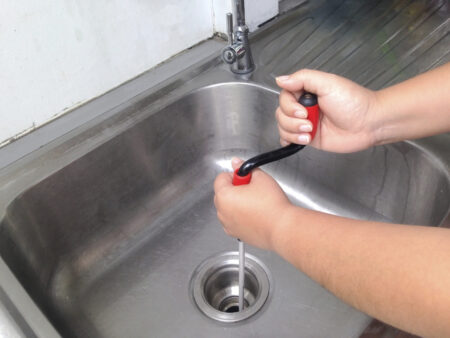
A plunger is an important tool to have in your home in Las Vegas, NV, but many homeowners use it improperly. The concept seems simple enough, but using a plunger the wrong way can make the problem worse. Knowing the do’s and don’ts of plunger use makes it more likely you’ll get water flowing through your drains and pipes again without making a mess or causing damage. We’ll also explain why you shouldn’t leave clogs alone for long and when to call in a professional.
The Do’s of Proper Plunger Use
Attacking a clog with a plunger starts with choosing the right plunger for the job. Plungers come in two primary categories. Cup plungers are ideal for flat surfaces, including showers, bathtubs, and sinks. Flange plungers have an extra rubber flap for a better seal in toilet bowls.
Make sure you get a proper seal. Having a tight seal between your plunger and the fixture surface makes it more likely your action will yield effective results. Make sure to totally submerge the rubber portion of the plunger. If you want a better grip, apply petroleum jelly around the rim. This is particularly effective for toilets. When plunging a sink, cover overflow openings with a wet cloth to improve suction.
Apply the right technique, using push-pull actions. Place your plunger over the clogged drain before pressing down gently to clear out the air. Then, use steady but forceful thrusts for half a minute. Pull the plunger up quickly to break the suction. Check the clog to see if it’s cleared.
If necessary, add water to increase the suction. The portion of the plunger below the handle must be totally submerged.
Practice patience and persistence. Some clogs need time before they clear. If your first attempt isn’t successful, you need to try again. It might take a few minutes of plunging before you dislodge the blockage and restore proper flow.
The Plunger Don’ts to Avoid
Effective plunging should clear a clog and let your household get back to normal routines quickly, but improper techniques and rookie mistakes can complicate the disruption to your life. Before you plunge any drain, stop to remember if you’ve recently used a chemical cleaner.
Many homeowners try retail chemical products on slow drains before reaching for a plunger. If the chemicals are still present in the drain, plunging can make them splash onto your skin or into your eyes, resulting in irritation and even burns. Use goggles and elbow-length rubber gloves to protect yourself. You might want to try a combination of dish soap and hot water to loosen debris before you start plunging.
Plunging does take some effort, but don’t overdo it. Excessive force might break your toilet seal or damage the underlying pipes. The consequences can range from leaks to costly repairs.
Check for air gaps. If air escapes through overflow drains and other openings, your plunger isn’t going to be as effective as you would like. Identify and seal these areas before you do any plunging.
Don’t start without a bucket. It will come in handy to remove excess water from the clogged are before you start plunging. You might to have a second bucket full of clean water standing by to help submerge your plunger.
Don’t give up too quickly, but don’t fight the blockage all day, either. A tough clog might require multiple attempts before you can get through it completely. A clog that doesn’t clear after several attempts, within a few minutes after you stop plunging, might be too deep in the pipes and need professional attention.
When Should You Stop Plunging and Contact a Plumber?
Sometimes, clogs will be too stubborn for you to fix with a plunger. Knowing when it’s time to reach out to a clog-clearing professional can prevent damage and save you time. If you have used the right plunger multiple times, and the water still isn’t draining, then the blockage might be too deep. It could also be composed of materials that require professional tools for removal.
Plunging makes noises, but if they include bubbling sounds or gurgling in the pipes, you might have a more serious issue than a plunger can solve. Ventilation issues and sewer line clogs require a professional diagnosis. Industry professionals can resolve these kinds of situations safely and effectively once they know exactly what’s going on.
Do you have multiple drain clogs at the same time? If more than one bathtub, toilet, or sink is simultaneously backing up or draining slowly, the clog or blockage might be in the main sewer line. A plunger won’t be able to address this, but a professional plumber can.
Also, check your drains for foul smells. A bad smell often accompanies a clog. However, if unpleasant odors are still noticeable even after you plunge, they might indicate deeper issues. Possibilities include a sewage backup or bacterial growth in the pipes.
When you use your plunger, be mindful of water backing up in a place you don’t expect. If you plunge your toilet only to have water rise up in a bathtub or sink, the main drain line probably has a blockage. Stop your work, and contact a plumbing professional who can identify the issue and address it without further complications.
Always disinfect your plunger after using it to prevent bacterial buildup, and have a plumbing contractor’s phone number available if you’re not successful.
Why Do You Need to Deal With a Clog Right Away?
Clogs are unforeseen events that disrupt your day, and it can be tempting to leave them for later if you’re busy. However, ignoring a clog can do more than extend the inconvenience to your household — it can lead to serious plumbing complications and possible health hazards. Whether you attempt plunging, contact a professional, or wind up doing both, you need to address clogs as soon as you discover them for many reasons.
First, you need to prevent pipe damage. A prolonged clog might put needless pressure on your home’s pipes, resulting in leaks, cracks, and bursts that require plumbing repair service. Older plumbing systems are particularly susceptible to this if they can’t withstand continuous blockages.
Second, you wouldn’t want foul odors to linger in your home. Trapped debris and standing water are ideal conditions for mold and bacterial growth. Given enough time, persistently unpleasant odors can spread through your entire house. Clogged drains can also become magnets for pests, including cockroaches, drain flies, and rodents. Pests that thrive in moist conditions can quickly become a nuisance.
Be Prepared for Plumbing Emergencies
Clearing a clog with a plunger can save you time and money, but you need to practice these do’s and don’ts to keep from making things worse. Knowing when you can handle a clog on your own versus when to call a plumber will help you keep your home’s plumbing in top condition.
[company_name] offers plumbing and drain services to residents of Las Vegas and the surrounding areas of Nevada. Contact us for your home’s plumbing maintenance and repairs, including emergency services.