What Are The Signs That a Toilet Needs Repair?

Toilet repair in Las Vegas, NV

Even though we use toilets very frequently in the home, people hardly give them a second thought until something goes wrong. The unfortunate reality is that ignoring toilet problems can lead to major hassles and even expensive water damage. The key to a clean and safe bathroom is learning to recognize when to call a professional for toilet repair.

Toilet Keeps Running

A running toilet is a very common problem that homeowners encounter. A malfunctioning flapper valve is usually to blame since it regulates the water flow from the tank to the bowl. Hence, water perpetually seeps into the bowl, leading to water waste and an increase in your water bill.

Constantly Using a Plunger for Clogs

A toilet that clogs every now and again is quite normal. However, if you find yourself reaching for the plunger on a regular basis, this can indicate a major plumbing issue. Clogs in the drain line may occur due to debris or mineral accumulation over time. Problems such as tree roots getting into the sewage pipe can make the situation worse.

Weak or Incomplete Flushing

A clogged trap or drain line can easily cause a toilet to experience weak flushing. These issues restrict the flow of water, making it impossible for enough to reach the bowl after each flush. This can lead to a lot of unnecessary flushing and water waste. It can also make using the bathroom more of a chore than it should be.

Persistent Foul Odors

Persistently bad odors might be an indication of a blockage, a broken wax seal or even sewage backup. This is an annoying problem that can also be harmful to your health. Exposure to polluted waste is a common cause of gastrointestinal infections. A plumber will be able to pinpoint the exact underlying cause of the foul smells.

Cracks in the Toilet Bowl

Finding physical damage to your toilet requires a visual inspection. The possibility of water damage and leaks caused by toilet bowl cracks is a major cause of worry. Over time, even little cracks can get bigger, leading to more damage and a higher repair bill. Repairing a cracked toilet is certainly within the realm of possibility. However, the extent to which it succeeds is often contingent upon the crack’s size and position. While epoxy or a toilet repair kit may be able to seal minor cracks, replacing the toilet is typically the best option for bigger fractures. A plumber can assess the extent of damage and determine the best course of action.

Water Leaking Out of the Toilet Base

Aside from a cracked toilet, a failed wax seal or damaged bolts may cause water to collect at the base. Water damage to the bathroom floor and other unhygienic situations are two consequences of these leaks. To prevent mold development and structural damage, it is crucial to schedule repair. Our plumber may be able to replace the wax seal or tighten the bolts to keep the water from leaking out. If these remedies don’t work, you may need to replace the toilet.

Rust or Corrosion Around the Fittings

Many parts of a toilet, including the bolts, screws and supply lines, are susceptible to rust and corrosion. The corrosion becomes worse when left exposed to dampness and hard water. Damaged fixtures diminish the quality of your bathroom experience by causing stains, bad smells and a decrease in the performance of your toilet. If you don’t fix these fittings right away, water damage, mold development and expensive repairs will spread throughout your property. One of our licensed plumbers will check the damage and identify the corroded components that need repair. They will then replace the damaged fittings with rust-resistant ones to ensure long-term performance and prevent future issues.

Toilet Won’t Flush at All

A toilet that won’t flush at all is sometimes the result of an issue with the water supply. There could also be a problem with the flushing mechanism. Toilets that don’t flush quickly lead to unsanitary conditions and frustration. Our plumber will check the flushing mechanism to see if it has any blockages or worn components. It might be necessary to replace the faulty parts to fix the problem. If there’s an issue with the water supply, we will inspect the supply line and the shut-off valve. Replacing these parts is usually a straightforward and quick way to fix a toilet that won’t flush.

Tank Doesn’t Refill After Flushing

Every time you flush your toilet, the tank should fill back up with water. There may be an issue with the fill valve or an obstruction in the water supply line if it doesn’t refill. The result of this problem can be an inconvenient and partial flush. We can carefully inspect the valve and supply line to determine the cause of your flushing issue.

Discolored Water

The water in your toilet bowl should be clear. You might notice funny-colored water if you use certain cleaning products to clean the bowl. Any time you notice rusty brown water, it’s a sign of rust in the pipes. Blue or green water may indicate corrosion in copper pipes. Water with visible discoloration is not only unsightly but also potentially dangerous to your health. If there is contamination in the water, it can cause infections.

Water in the Bowl Keeps Bubbling

When air gets trapped in the pipes because of a blockage, it can cause the water to bubble up when you flush. The presence of bubbling water is often the beginning of a more significant problem, such as a full blockage or a plumbing backup. If you schedule a repair right away, you can save yourself a lot of money and hassle later.

Toilet Is Older Than 25 Years

The performance and efficiency of your toilet will deteriorate as it gets older. Toilets that have been in use for more than 25 years usually require a full replacement. They often have outdated mechanisms that waste a lot of water when flushing, especially when compared to today’s more efficient models. Modern dual-flush toilets offer two flushing options: a lower-volume flush for liquid waste and a higher-volume flush for solid waste. High-efficiency toilets (HETs) employ cutting-edge technology to flush forcefully with only 1.28 gallons of water. This is much less than the 3.5 gallons that traditional toilets use. With smart toilets, you can expect features like automated flushing and self-cleaning.

Toilet Feels Unstable

Trying to use a toilet that feels wobbly or unstable can be dangerous. You not only risk hurting yourself while trying to use it, but the underlying cause can easily lead to other problems. Water leaks from a wobbly toilet can lead to mold growth and deterioration of bathroom fixtures. We can tighten the bolts to ensure it’s stable. It may also be necessary to install a toilet anchor to improve its stability.

[company_name] is here to meet all your toilet repair needs. We even provide emergency plumbing repair services. Our hydrojetting services are a great way to make your home more comfortable and convenient. Other services we specialize in include water filtration, gas line repairs, pipe rerouting and more.

Call us today to schedule a toilet repair in Las Vegas, NV.
What Are Common Residential Water Treatment Systems?

Water filtration services in Las Vegas, NV

Many homeowners worry about the water their family drinks and uses daily. One option is to have a lab test your water, but that provides you with no assurances down the line. If you want to ensure that your water is clean and safe, water treatment is the most effective and reliable approach. Let’s explore the most common water treatment solutions used in homes in Las Vegas, NV.

Point-of-Use Water Filters

Point-of-use filters are often the most affordable form of water treatment. These include countertop canister filters, under-the-sink canister filters, refrigerator filters, and filter pitchers. While relatively cheap initially, there are downsides. They’re generally limited to one tap. That means you’ll need multiple units to get good coverage throughout a home. They often don’t provide enough flow rate for use beyond drinking water and light cooking. These filter media replacements can be pricey and considerably increase your costs over the life of the system.

Point-of-Entry Water Treatment Systems

Point-of-entry water treatment systems provide filtered water throughout a home. We install them between the water main and the home’s plumbing. This is an option whether you have a well or municipal water. Your system will provide clean water from all faucets, showerheads, and other fixtures. Your appliances, such as water heaters, dishwashers, and washing machines, will use that cleaner water too. POE systems are more expensive to purchase and install. That said, they can last for decades with proper maintenance. You also won’t have to change out the media as often.

Reverse Osmosis Systems

Reverse osmosis systems are a type of POE water purifier. They’re very effective in that they eliminate almost all pollutants found in water. This includes particulates but also pathogens, chemicals, and gases. These systems for home use often have three or four stages. The first stage is an inexpensive prefilter that extends the life of the main stage. The second or main stage involves a high-pressure pump and a semi-permeable membrane. During the RO process, that membrane blocks pollutants, which the system flushes as wastewater. The third stage is a remineralization filter. This is necessary because RO removes good minerals too. Some systems have a tank for clean water storage as a fourth stage.

System Efficiency and Capacity

There are two important considerations with RO systems. One is water consumption. RO systems use more water than they deliver. Most homeowners will want to target a highly efficient system. Many of the top systems get close to a 1:1 ratio.

The other consideration is capacity. RO is a slow process relative to other water purification systems. The industry measures RO systems in gallons per day. The average home needs between 50 and 100 GPD. While a tank isn’t a requirement, it’s a worthwhile consideration. Having a tank helps to avoid low water pressure when demand is high.

Water Purification Systems

Traditional water purifiers don’t use the RO process. Instead, they force water through one or more filter stages. With our help, you can customize your system to have the stages it needs to deal with your concerns. There’s no elimination of good minerals and no need for remineralization. An RO system, on the other hand, is a water softener as well. Traditional water purifiers aren’t. If you want softening or conditioning, you’ll have to add them as additional components.

Flow Rate

This form of water purification is faster than RO. The industry does not measure it in GPD but rather in gallons per minute (GPM). Sizing is important because you need a flow rate that accounts for every fixture and appliance you want to run simultaneously. If the flow rate is lower than your peak demand, issues can include low water pressure.

Absorbent Filtration

Absorbent filtration is the most common type of water treatment for the home. Activated carbon is the most prevalent substance used for this purpose. Both POU systems and POE systems use it. Some use it exclusively, but many pair it with at least mechanical filtration. Activated carbon results in palatable drinking water because it absorbs unpleasant smells and tastes. It also absorbs chemicals, including pharmaceuticals and pesticides, and gases, including volatile organic compounds.

Mechanical Filtration

Many water treatment systems have a prefilter to preserve the more expensive filter media. Some systems use the activated carbon as the prefilter. Most have a dedicated prefilter, which is particularly important for homes with well water. Dirt and silt are bigger concerns with wells than with municipal water.

Most systems will have a separate mechanical filter, often called a sediment filter, for the primary mechanical filtration. The most important characteristic of a sediment filter is its pore size. That dictates which particles the system can trap. Be sure to look for the absolute value rather than a median or average value. With an absolute value of one micron or less, a filter can remove cysts, such as cryptosporidium.

Germicidal Light

A sediment filter with a small pore size can trap some pathogens. To neutralize 99.9% of them, experts recommend a water purifier with an ultraviolet (UV) lamp. That lamp will give off a germicidal light in the form of UV-C. The UV-C light will kill most of the bacteria, viruses, and parasites in your water. This significantly reduces the chance of gastrointestinal distress and more serious illnesses.

Water Softening

The amount of calcium and magnesium in your water dictates how soft or hard it is. The more minerals present, the harder the water is. Hard water is safe to drink, but some people find the texture unpleasant. It makes for inconsistent drink and cooking recipes. Hard water is bad for skin and hair health. It also damages plumbing and appliances over time and decreases energy efficiency. The most common water softener for home use is salt-based. These systems use rechargeable resin beads to exchange the magnesium and calcium in your water with either sodium or potassium.

Water Conditioning

Water conditioners are filter stages used to condition your water for drinking. The remineralization filters common for RO systems are one example of this. For traditional water purifiers, we often use a conditioner to adjust pH. If your water is slightly acidic, for instance, this stage can condition it to a neutral pH.

Product Certification

There are several certifications that you may want to consider when comparing water treatment systems. The Water Quality Association awards a Gold Seal to systems that meet their rigorous standards. The Environmental Protection Agency awards the WaterSense label to systems that use water efficiently. The Centers for Disease Control and Prevention also recommend looking for the National Sanitation Foundation label. NSF-certified systems will have a label that provides specifics about what they remove.

Would You Like to Install a Water Treatment System in Las Vegas?

[company_name] is a plumbing contractor that serves homeowners throughout Las Vegas. We specialize in customized water filtration systems. Our plumbers perform inspections, installations, maintenance, and repairs and are available around the clock for emergency services. We perform video camera inspections, hydrojetting, and rooter services. Our plumbers pipe and repipe water, gas, and sewer lines. We also install and service kitchen fixtures, bathroom fixtures, garbage disposals, leak detection systems, and tank and tankless water heaters. For further details or to schedule an appointment for plumbing installation, call today, or contact us online.

Warning Signs of Underground Leaks

Clean, flowing water is essential for any well-functioning home. But what happens when there’s a leak lurking beneath your property? Underground leaks can silently wreak havoc, leading to erosion, water damage, mold issues, and shocking utility bills. As a homeowner, it’s crucial to stay vigilant for subtle clues that could indicate an underground plumbing problem.

For residents of Las Vegas and the surrounding areas, [company_name] is a trusted ally in the battle against hidden leaks. We specialize in comprehensive plumbing services, including advanced leak detection for tricky underground issues. With our trained eyes and state-of-the-art equipment, we can find hidden leaks and get them sealed up before they turn disastrous.

Sudden Increase in Water Bills

Did you do a double-take when you checked your latest water bill? A sudden, inexplicable jump in your charges could be a major red flag for an underground leak. Water steadily seeping out is essentially money pouring down the drain. If your monthly costs have spiked without any obvious change in usage habits, it’s wise to have a plumber investigate.

Decreased Water Pressure

Nothing kills a refreshing shower like a trickle of water. If you’ve noticed the pressure weakening throughout your home’s fixtures and appliances, an underground leak along the main line could be the culprit. As water escapes, it reduces the flow, making its way into your pipes and fixtures. If you notice decreased water pressure, get a professional to check it out.

Wet Spots or Puddles

Randomly damp patches of grass or persistent puddles in your yard can signal an underground leak’s presence. These wet zones are essentially underground water bubbling up and revealing itself on the surface. Check for any suspiciously lush or green areas, too. Leaking water could be giving part of your lawn some unintended overwatering.

Mold or Mildew Growth

Nothing fosters mold and mildew growth like excess moisture. If you’ve noticed a disturbing spread of these fungal invaders, whether on interior walls, exterior surfaces, or even your yard, don’t ignore it. Mold and mildew often signal an underlying water problem that needs to be stopped before it gets out of control.

Foundations in Distress

Have new cracks mysteriously emerged in your home’s foundation, walls, or floors? This could point to gradual erosion from an underground plumbing leak, washing away soil and destabilizing the ground under your property over time. Seemingly uneven floors or doors not latching properly can also indicate foundational settling caused by water’s sneaky movements below.

Discolored or Rusty Water

Discolored or rusty water could be your home trying to send you a very important message. When pipes are compromised by underground leaks and deterioration, rust, and residue can start seeping into the water supply, staining it that ugly reddish-brown hue. So if your usually pristine tap water suddenly looks like it came from an old well, don’t ignore it. Call the experts to look for those hidden leaks before they turn catastrophic.

Strange Odors

Strange, musty odors around your yard, basement, or crawlspace could be the telltale sign of stagnant water and damp conditions from an underground leak. If you’ve ruled out other obvious culprits like clogged drains, it’s worth investigating whether the smell’s root cause lies in your plumbing.

Water Meter Readings

Monitoring your water meter readings can provide valuable insights into possible leaks within your plumbing system. Here’s something you can try. Shut off all faucets, sprinklers, and water-using appliances in your home, then watch the water meter for any movement. If the meter indicates water flow despite everything being turned off, it suggests a leak somewhere in the system, possibly underground.

Our Experts

As longtime Las Vegas local plumbing experts, we know these are often the first signs that something’s up with your underground plumbing. But rather than just treating surface symptoms, our experienced team at [company_name] uses the latest leak detection technology to get underground and locate the actual source. From there, we’ll level with you on the most cost-effective repair options. Whether it’s fixing a pinhole leak, repiping a whole section, or just giving you that peace of mind with a professional inspection, we truly care about doing the job right for our clients. We’re a family business that values honesty, craftsmanship, and treating your home like it’s our own. Don’t let those warning signs go unresolved. Give us a call today to get started.

Is It Better to Invest in Water Filtration or Drink From Water Bottles?

Updated: April 23, 2024

Over the years, many people have acquired the bottled water habit. There are several reasons for this. Concern over the quality of the local tap water is undoubtedly the biggest one. Even in those areas where the water quality is good, government regulations mandate the insertion of various chemicals into the water supply whether it needs them or not. Health-minded individuals do not enjoy drinking industrial products. In some cases, particularly sensitive individuals get physically ill if they drink tap water with chemicals in it.

The quick and easy solution for Las Vegas homeowners is to stock the fridge with plenty of bottled water that is ready to grab and go at any time. In some instances, that convenience is a necessity as well. But is bottled water the best solution for purified water? The plumbing experts at [company_name] explain why your best option is a water purification system installation for your home.

The Case Against Bottled Water

Even while people rely on bottled water to guard against the twin scourges of bad municipal water and possible calamities, they are creating a more immediate disaster of their own. Although bottled water is available in many different degrees of quality, even the least expensive of these costs far more than tap water. In many cases, bottled water costs more than an equivalent quantity of gasoline. At a time when household budgets endure increasing stress, reducing the cost of the family supply of drinking water offers relief.

There are also tremendous environmental drawbacks to drinking bottled water. The obvious one is all of the plastic waste that is created through the disposal of single-use plastic bottles. Those bottles dont just magically appear, either. Vast industrial plants must produce them.

Only a limited amount of bottled water comes from local suppliers. Instead, that water is trucked all over the country. At times, it even moves all over the planet on ships, planes, rails and trucks before it ever reaches the local store. The environmental drawbacks of using huge amounts of petrochemicals to get those single-serving containers of water into your kitchen are enormous.

A Compromise Your Family and Planet Can Both Live With

There is an alternative to the environmental and economic wreckage produced by the throwaway culture of the bottled water industry. With an Las Vegas home water filtration system, you get all the clean, chemical-free drinking water you need at a fraction of the cost.

Instead of relying on already decaying single-use bottles, you store your water in your own selected long-term containers. You carry on the same way as ever. Open the fridge and plenty of pure water is stored right there for anyone who needs it.

These modern water filtration systems are compact and very efficient in comparison to the old dinosaur units crammed into the broom closet. They fully integrate into your existing water lines with little difficulty and are easy to use. When compared to the weekly cost of bottled water, the initial investment in the system rapidly pays for itself. Every month after that, you bank the savings.

Choosing the Right System for Your Needs

A filtration system is not a one-size-fits-all piece of equipment. You want one tailored to your own specific needs. A single person in an apartment uses less water than a family of six out in the suburbs. In addition, the purchaser has numerous add-on options to choose from. These can add extra layers of physical or ultraviolet filtering for the best possible drinking water.

You need a reputable professional to advise you. You dont want a system larger than you need, but you don’t need one that isn’t capable enough to do the job. Installing a system that fulfills all of its stated promises is important as well. The internet is filled with alleged water filtration systems that either wont last or dont even work.

Our professionals install many water filtration systems each year. We are fully aware of the latest technological trends. We also know which models are reliable and which ones to avoid. You need a one-stop professional who will examine your current system, suggest alternatives, and provide you with a full explanation of any questions you have. When you need an established plumbing company in Las Vegas, call our team today!

Call [company_name] today and find out how much you can save by making the switch.

Contact Us

Are Tankless Water Heaters the Future?

If you’re like most homeowners in Las Vegas, NV, you’re likely used to getting your home’s hot water from a large storage tank water heater. They are, by far, the dominant type of residential water heater used in the US today. There are good reasons for that, too. They’re based upon mature technology, they’re reliable, and they’re inexpensive, too. But they’re far from perfect. That’s why tankless water heaters are slowly gaining popularity here and elsewhere in the US. Here is everything you need to know about tankless water heaters and whether they’re the future of residential hot water.

What Is a Tankless Water Heater?

As their name implies, tankless water heaters are devices that can supply hot water without the need for a storage tank. They do so on demand, using high-powered electric heating elements or high-efficiency natural gas burners. Tankless water heaters have a history that stretches back almost as far as their storage tank cousins, with the first functioning models appearing in the 1890s. However, those models were extremely inefficient and couldn’t compete with the storage tank water heaters of the day.

However, by the 1970s, tankless water heater technology advanced to the point that it could compete with storage tanks in terms of operational efficiency. It didn’t take very long after that for tankless water heaters to claim the efficiency crown. At that point, multiple European countries started to adopt tankless water heaters for residential use, both because they saved space and because they saved energy, which remains at a premium there.

The Advantages of Tankless Water Heaters

Besides efficiency, the biggest advantage of tankless water heaters is their ability to supply endless quantities of hot water. Unlike storage tank models, there’s no recovery period once the stored hot water runs out. Tankless models turn on when you request hot water and stay on until you’re finished.

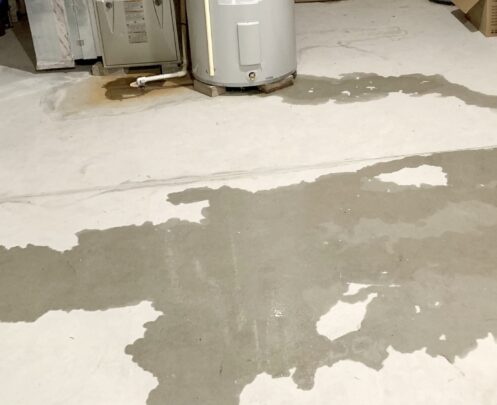
Tankless water heaters also take up much less space than storage tank models and don’t run as high of a risk of leaking. Storage tank water heaters can wear out and burst, leading to significant water damage to your home. Tankless models only consist of a series of pipes and a heat exchanger, so they’re not prone to that type of failure.

The simplicity of tankless water heaters also increases their longevity. On average, you can expect around 20 years of reliable service from a tankless water heater. That’s close to double what you’d get from a comparable storage tank model.

The Disadvantages of Tankless Water Heaters

Tankless water heaters do come with some trade-offs, especially if you’re used to a storage-tank water heater. The biggest among them is that tankless water heaters have limited flow rates. That means you can’t use hot water in multiple parts of your home simultaneously with most models. To do that, you’d either need to spend more money on a model with a higher flow rate or install multiple units to meet your household demand.

Tankless water heaters also cost significantly more than comparable storage tank models. On average, you can expect to pay roughly double for a tankless water heater. However, the extended longevity they offer does ameliorate that disadvantage somewhat. Plus, your upfront costs may be higher than you expect if your home needs significant plumbing changes to accommodate a tankless water heater.

Are Tankless Water Heaters the Future?

It’s impossible to say if tankless water heaters will come to dominate the residential hot water market here in Las Vegas in the future. While they are certainly gaining popularity here, it’s unlikely that they’ll supplant storage tanks anytime soon. And storage tanks have a new trick up their sleeves that may help them stay on top for the foreseeable future. That trick is the incorporation of heat pump technology, which gives them a major efficiency advantage over today’s tankless models. So, at the moment, the likeliest outcome is that tankless and storage tank water heaters will continue battling it out for supremacy in Las Vegas homes going forward.

The good news is that whether you need a storage tank or a tankless water heater for your Las Vegas home, [company_name] can help. We specialize in the installation and maintenance of both types of water heaters. Plus, we offer comprehensive plumbing services, drain repair and cleaning, water treatment, leak repairs, gas line services, and more. We’re your one-stop shop for your Las Vegas home’s plumbing needs. When the time comes for a new water heater for your Las Vegas home, call us today.

6 Ways to Tell Where the Water Leak Is Coming From in Your Home

Plumbing services

If you suspect a water leak in your home, it is important to identify where the water is coming from. Knowing the source of the leak can help you decide what repairs need to be made and how to do them. Below, you’ll find step-by-step instructions on how to locate a water leak in your residence.

1. Inspect the Plumbing System

Look for signs of leakage, such as wet spots on walls, floors, or ceilings; water stains on pipes and fixtures; excessive moisture near bathrooms and sinks; and musty odors emanating from walls or appliances. When inspecting the plumbing, pay special attention to joints and seals, as these are typically the first places to develop a leak.

Additionally, look for any signs of damage to the plumbing infrastructure, such as cracks or breaks in pipes, corroded fixtures, and loose connections. This will help you narrow down the source of the leak faster.

2. Check the Water Meter

Your water usage is recorded on a water meter connected to your plumbing system. If the meter is not accurately recording the amount of water you are using, it could indicate a leak somewhere in your home.

To check for this, turn off all water-using appliances in your house and then check the water meter. If it continues to move while everything is off, you likely have a leak. Also, if you notice a spike in your water bill, this could mean that you have a leak somewhere in your house.

3. Check the Roof, Attic, and Exterior Walls

If there has been damage or wear and tear, these are the most likely areas to develop a water leak. Inspect the roof for any visible signs of damage, such as missing shingles, cracked tiles or flashing, or mold and rot. Additionally, check around skylights and chimneys for signs of leakage.

Next, inspect the attic and exterior walls for moisture. If there is pooled water present, this could be a sign that your home has a leaky roof or broken gutter system. Finally, look at all window and exterior door frames for signs of water seepage or condensation. If there is seepage, you should see signs like water discoloration or mold.

4. Check Appliances and Fixtures

Appliances and fixtures can also guide you in finding the water leak in your home. Inspect items such as the washing machine, dishwasher, refrigerator, toilets, tubs, and showers for any signs of moisture or leaking. If you notice any wet spots around the appliance or fixture base, it could indicate a water leak.

If you cannot find any visible signs of leakage at these locations, you can also try turning them on and off to check for any abnormal behaviors with water pressure. This can help pinpoint a specific area causing the leak, making repairs much easier.

5. Listen for Running Water and Check Faucets

The sound of running water can help identify the whereabouts of a leak. Listen carefully for any strange noises coming from hidden pipes or walls, and take note of areas where these sounds are louder.

When examining faucets, check the area around them for any moisture or buildup and test them to ensure they are not leaking. Also, don’t forget to look inside cabinets and drawers beneath sinks for any signs of water seepage or mold.

6. Call in a Plumber

If you’re struggling to locate the source of the water leak, it’s best to call in a professional plumber. Plumbers have sophisticated tools that can help them identify leaks hidden behind walls or floors as well as leaks in the pipes that supply the water to your home.

Moreover, experienced plumbers have an eye for detail and can spot subtle signs of water damage that an untrained eye may miss. By hiring a plumber, you’ll enjoy the peace of mind that comes with knowing the leak will be fixed correctly the first time. A plumbing company like ours at [company_name] can provide you with the necessary expertise to detect and repair water leaks anywhere in Las Vegas, NV or the surrounding areas.

Finding the source of a water leak can be arduous and complex. However, following these steps gives you a better idea of where to look for the issue. Remember, if you cannot locate the leak’s source, don’t hesitate to call a professional plumber. They have tools to help them pinpoint exactly what is causing your leak and the expertise to know how best to fix it.

At [company_name], we provide dependable and professional services in plumbing installation and maintenance, leak detection, clogged drains, and more to residents of Las Vegas. Contact us today to get your home’s plumbing issue taken care of quickly and correctly.

Eco-Friendly Plumbing: Sustainable Practices for a Greener Home

Plumbing company in Las Vegas, NV
Updated: May 21, 2024

In an era where environmental concerns are at the forefront, adopting eco-friendly practices has become increasingly important. One area where you can make a significant impact is in your home’s plumbing system. Loyalty Plumbing understands the significance of sustainability and offers a range of eco-friendly plumbing solutions to help you create a greener home. In this blog post, we will explore some sustainable practices and technologies that Loyalty Plumbing recommends for a more environmentally friendly and efficient plumbing system for your Henderson home.

  • 1. Water Conservation Fixtures: One of the most effective ways to conserve water is by installing water-efficient fixtures. Loyalty Plumbing can help you upgrade your faucets, showerheads, and toilets to low-flow alternatives that reduce water consumption without sacrificing performance. These fixtures utilize innovative designs to deliver adequate water pressure while significantly cutting down on water usage, ultimately reducing your utility bills and minimizing your ecological footprint.
  • 2. Tankless Water Heaters: Traditional water heaters continuously consume energy to keep a large tank of water hot, even during periods of inactivity. However, tankless water heaters, recommended by Loyalty Plumbing, offer an energy-efficient alternative. These systems heat water on-demand, eliminating the need for a storage tank and reducing energy waste. By installing a tankless water heater, you can enjoy endless hot water while lowering your energy consumption and utility costs.
  • 3. Greywater Recycling Systems: Loyalty Plumbing can assist in implementing greywater recycling systems in your home. Greywater refers to gently used water from sinks, showers, and laundry, which can be repurposed for non-potable uses such as irrigation and flushing toilets. By capturing and treating greywater, you can significantly reduce your freshwater consumption and contribute to conserving this precious resource.
  • 4. Leak Detection and Repair: Undetected leaks can result in substantial water waste and damage to your property. Loyalty Plumbing offers advanced leak detection services in Henderson, utilizing cutting-edge technology to identify hidden leaks promptly. By promptly addressing leaks, you can conserve water, prevent water damage, and lower your water bills.
  • 5. Sustainable Drainage Solutions: Loyalty Plumbing can help you implement sustainable drainage solutions that reduce the strain on public sewage systems and minimize water pollution. By incorporating features such as rainwater harvesting systems, permeable paving, and rain gardens, you can collect and manage rainwater responsibly, allowing it to replenish the groundwater and reducing the burden on municipal sewage infrastructure.

Plumbing Tips from Buddy the Golden Retriever: Unleash a Paw-some Home Plumbing Experience!

Loyalty plumbing in last vegas

Discover seven crucial plumbing tips to keep your home’s plumbing system in optimal condition. Read our blog post for expert advice and learn how to prevent common plumbing issues. Maintaining a well-functioning plumbing system is essential for a comfortable and hassle-free home. From preventing leaks to conserving water, implementing a few key plumbing tips can go a long way in ensuring the longevity and efficiency of your system. In this blog post, we’ll share seven essential plumbing tips to help you avoid costly repairs and maintain a healthy plumbing system.

1. Regular Leak Checks: Check for leaks in your plumbing system regularly. Look for dripping faucets, water stains, or unusually high water bills. Fixing leaks promptly can save water and prevent damage to your home.

2. Proper Drain Care: Avoid pouring grease, oil, or other food waste down the drain, as they can cause clogs and buildup. Use drain strainers to catch hair, debris, and other particles that can lead to blockages. Regularly clean the strainers to maintain proper drainage.

3. Be Mindful of What You Flush: To prevent toilet clogs, only flush toilet paper and human waste. Avoid flushing items like baby wipes, feminine hygiene products, or cotton balls, as they can cause blockages in your plumbing system.

4. Prevent Frozen Pipes: Insulate exposed pipes in cold areas of your home, such as basements, crawl spaces, and attics. During extremely cold weather, leave cabinet doors open to allow warm air to reach the pipes. Drip faucets slightly to keep water flowing and prevent pipes from freezing.

5. Water Pressure Regulation: High water pressure can strain your plumbing system and lead to leaks or bursts. Install a pressure regulator to maintain a safe and optimal water pressure level throughout your home.

6. Water Heater Maintenance: Flush your water heater annually to remove sediment buildup, which can affect its efficiency and lifespan. Check the temperature settings and consider insulating the tank to conserve energy and reduce heat loss.

7. Know Your Main Water Valve: Familiarize yourself with the location of your main water valve. In case of a plumbing emergency, such as a burst pipe, shutting off the main valve quickly can minimize water damage to your home. Test the valve periodically to ensure it is functioning correctly.

By following these seven essential plumbing tips, you can proactively maintain your plumbing system and prevent common issues. Regular leak checks, proper drain care, mindful flushing, preventing frozen pipes, regulating water pressure, water heater maintenance, and knowing your main water valve are key steps towards a well-maintained home. Remember, a little preventative maintenance can save you from costly repairs and ensure the smooth functioning of your plumbing system.

4 Reasons Why Your Home’s Water Is Cloudy and What to Do About It

Plumbing services in Las Vegas, NV

Have you ever turned on your tap and gotten surprised by cloudy water? If so, then you are not alone. Milky or cloudy water can occur in any home, and there are many reasons why it is happening. In some instances, cloudy water might result from air bubbles in your water, but in other cases, it may indicate a more serious problem with your home’s plumbing. Understanding the following causes of cloudy water is important for identifying any underlying issues and taking the necessary steps to address them.

1. Hard Water

One of the common reasons for cloudy water is hard water. Hard water has high levels of minerals such as magnesium and calcium, which can leave behind a cloudy or white residue in water or on surfaces. If your region has hard water, you might experience limescale accumulation in your appliances or pipes, which can, in turn, cause the water to look cloudy. Over time, the limescale buildup can also lead to plumbing problems like reduced water flow and clogged pipes.

If hard water is the reason for cloudy tap water in your home, you need to contact a plumbing expert to assess the situation. The professional may recommend installing a calcium treatment unit, a water filter containing polyphosphate scale inhibitors, or a water softener to remove minerals from your water.

2. Methane Gas

It’s rare to find methane gas in home water supplies. However, this gas might be the reason for cloudy water in some homes. Methane gas may be present in water supplies close to active fracking sites. Furthermore, the gas can get introduced through contaminated groundwater. Although this gas is extremely flammable, it quickly dissipates when it comes in contact with air as it rises on top of the water.

Methane contamination in water supplies may be the reason for cloudy water, especially if the tap water clears fast. If you suspect methane contamination, you can purchase a methane detector and test the surrounding air because methane levels in your water matter. It’s also advisable to contact the local authorities, and an expert will visit your home and test the water to ascertain the methane levels and provide appropriate solutions.

3. Sediment Buildup

Sediments like silt or sand can make your water look cloudy. Buildup may occur if construction work is happening nearby that’s stirring up sediment or if there’s an issue with your filtration system. Unlike methane gas, sediment buildup will leave your water with an unappealing and opaque look regardless of how long you allow the water to sit in a glass.

You can consider installing a sediment filter if sediment is the reason for cloudy tap water. Having an experienced plumber assess the situation is also important since sediment in your water may indicate other problems like old, corroded pipes or groundwater contamination.

4. Air Bubbles

Air bubbles can sometimes get trapped in your water supply, causing your water to look cloudy. This problem can occur if there is a disruption in your water supply, such as when there’s work being done on your area’s water lines or after a power outage. Furthermore, air can get trapped due to high water pressure.

Air bubbles in your water supply can cause your home’s faucets to sputter and even produce popping sounds whenever you turn them on. The good news is that air bubbles are harmless and often dissipate with time. However, if the issue persists, you should contact your water supplier or a plumbing expert to investigate the problem further. The plumber can install aerators on your faucets or flush the water main to fix the problem.

Rely on the Plumbing Experts!

If you are experiencing cloudy water in your home, it’s important to identify the culprit and take the necessary steps to address the problem to ensure your water is safe to drink. Whether you need to replace filters, install a water softener, or have your plumbing inspected, our team of plumbers at [company_name] can help you find the right solution for the problem.

Our plumbing experts will test the water to determine the reasons for the cloudy water and provide appropriate solutions. We are also experts in tankless water heaters, leak detection, clogged drains, and rerouting & re-piping services in Las Vegas, NV and the surrounding areas. Call [company_name] today to schedule your water treatment service appointment or order any other service on our list.

Reasons to Count on a Professional to Unclog Your Drain

Plumbing in Las Vegas, NV

Drain clogs can ruin a peaceful afternoon, leading to hours of unpleasant smells, gurgling sounds and dirty water clean-up. If the clog impacts more than one drain, you could be stuck without any functioning sinks, tubs or toilets. When you’re in a pinch for time, you may be tempted to use a quick chemical cleaner to clear away the clog. However, in most instances, this probably won’t take care of the problem and will instead cause more plumbing issues. Here’s why you should instead call a certified plumber to handle your clogged drain needs.

Years of Experience

Your home’s plumbing system is complex. It can be difficult to navigate a clog without the right experience. While you may have no problem unclogging the occasional toilet, most plumbing issues should be left to experts who know how to diagnose and fix them. Skilled plumbers have both the training and knowledge to get every plumbing job done right the first time. This can help you avoid making any costly mistakes. Professionals are trained to follow local codes, regulations and nationwide plumbing standards. Our team will also be able to determine if the issue is isolated in one area or is a symptom of a bigger, house-wide drain problem.

Industry Tools and Equipment

Home improvement stores usually carry homeowner-grade plumbing equipment like plungers, snakes and various chemical drain cleaners. A professional plumbing team has access to state-of-the-art camera inspection equipment, replacement parts, new fixtures and more. These premium tools and supplies allow us to be prepared for any drain issue, regardless of its severity or location.

Saving You Time and Money

Counting on a professional gives you peace of mind that the problem will be solved correctly and efficiently. You won’t have to waste any time or resources looking up solutions and searching for the right parts. Reputable plumbing companies are licensed and insured. This protects you from any accidents that occur on the job.

Affecting Other Drains

A single bathroom sink clog can be a simple fix. Slow or minimal drainage from multiple tubs or sinks in the house may be the result of an issue inside the main drain line. It could even be an accumulation of hair, grease and food that has been washed down your sinks. This problem requires fast action before the pipe breaks or wastewater starts backing up into your home.

Containing the Issue

When a drain clogs for the first time, it may be easily contained in a single sink or tub. With the help of some buckets and towels, you may feel like the issue is under control. A few hours later, you’ll return to find the floor ruined. Once you notice a clogged drain or overflowing sink, it’s imperative to call for service before the additional water damage increases your repair bill.

Dangers of DIY Solutions

One of the worst things that you can do to fix a blocked drain is to use chemical cleaners. While they may seem like an inexpensive alternative to professional plumbing services, they’re often comprised of dangerous and corrosive materials. These cleaners can harm the insides of your pipes and kill off the beneficial bacteria in your septic system. They can also be very harmful to your health.

Using chemical drain cleaners can often appear to fix a problem. Unfortunately, the results are often temporary. Eventually, you’ll run into another clog. Constantly pouring corrosive chemicals down your drains will compromise your plumbing. This turns a simple repair into a massive replacement.

Las Vegas’ Leading Plumbing Company

A clogged drain can often be much more complicated than it looks. This makes hiring a plumber the best choice to ensure the original source of the problem is fixed. [company_name] has years of experience servicing plumbing issues of all types in Las Vegas, NV, and the surrounding communities. Our experienced plumbers will give you a fast and accurate diagnosis. Each job we complete comes with a satisfaction guarantee as well as premier craftsmanship warranties.

Thanks to our knowledge and expertise, you can trust us to detect property leaks, clean your drains or repair your sewer lines. We’re prepared to install your new fixtures, provide a variety of water treatment options and even service your water heater. Contact [company_name] in Las Vegas today. Ask about our current time-limited specials to save on your plumbing costs.