Top 5 Ways to Maintain Healthy Water Pressure in Your Home

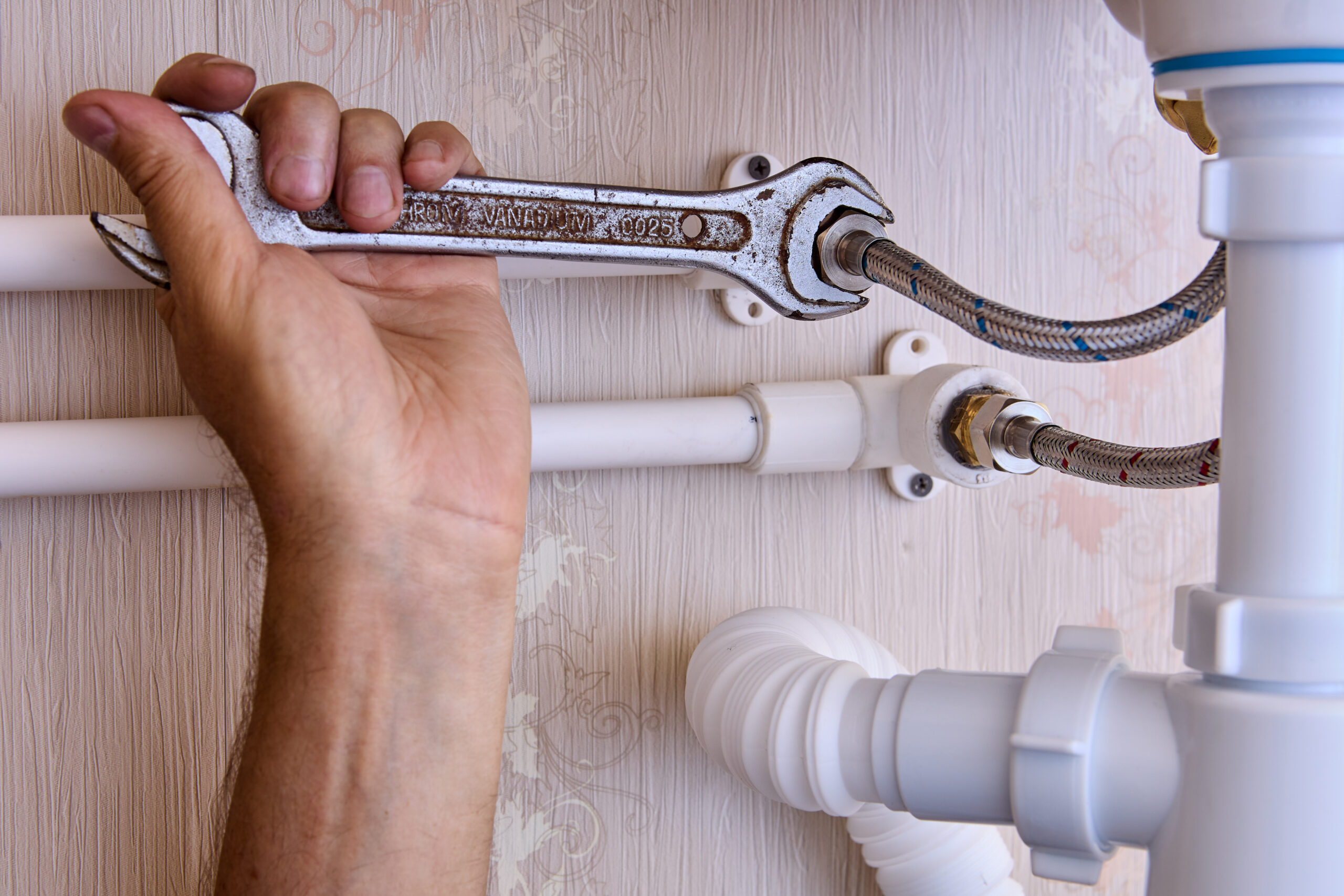
Dripping faucet showcasing water pressure issues relevant to plumbing maintenance in Las Vegas.

Whether you’re rinsing off the desert dust after a long day or running multiple appliances at once, good water pressure makes a big difference in your daily comfort. In Las Vegas, where heat and hard water can both take a toll on your plumbing system, you may often deal with inconsistent or frustratingly low water pressure.

Maintaining proper water pressure protects your system and ensures that everything operates correctly in your home. Failure to do so can stress your pipes and appliances, potentially damaging your water heater. If you’re experiencing uneven pressure, frequent fixture issues, or slow water flow, these five tips will help you maintain consistent, healthy water pressure in your Las Vegas home.

1. Check Your Pressure and Know What’s Normal for Your Home

One of the most crucial and often overlooked ways to maintain optimal water pressure is to understand the ideal water pressure for your home. The water pressure should fall between 40 and 80 PSI (pounds per square inch). This knowledge empowers you to take control of your plumbing system, ensuring it delivers the correct pressure when no water is running and when taps or appliances are in use.

In Las Vegas, where municipal water sources fluctuate based on usage and season, your pressure may vary more than in other parts of the country. If your reading is consistently too high or too low, it’s a good idea to have a plumber from our team inspect your pressure regulator or main supply valve.

2. Maintain Your Pressure Regulating Valve (PRV)

Most modern Las Vegas homes have a pressure regulating valve, or PRV, installed near the main water shut-off. This valve manages the high pressure that often comes from the city’s water lines and reduces it to a safe level for residential use. If the PRV becomes damaged, misadjusted, or worn out, you’ll notice it in your water pressure and possibly in your water bill as well.

Over time, these valves can degrade, especially with exposure to hard water deposits, which are common in the Las Vegas Valley. A malfunctioning PRV may either allow too much pressure into your plumbing or restrict water flow to a trickle. If your home suddenly experiences wildly fluctuating water pressure, you hear banging pipes, or you notice signs of stress on fixtures, it may be time to replace the PRV. One of our licensed plumbers can test the valve’s performance and make adjustments to keep your system balanced and safe.

3. Address Mineral Buildup and Hardwater Issues

Hard water, rich in calcium and magnesium, defines most of the water supply in Las Vegas. These minerals leave behind scale and sediment inside pipes, fixtures, and appliances. Over time, this buildup narrows the interior of your plumbing lines, reducing water flow and causing lower water pressure, especially in older homes.

If you’ve noticed a gradual decline in water pressure over the years or frequently need to descale showerheads and faucet aerators, hard water may be the root cause. Installing a whole-home water softener or a filtration system can significantly reduce scale buildup and improve water flow throughout your plumbing system.

If your home is more than 15 to 20 years old, it’s also worth having Loyalty Plumbing inspect your pipes. In some cases, we may need to flush, clean, and replace sections of pipe to restore proper flow and pressure. Routine maintenance, such as descaling appliances and flushing your water heater, can also prevent pressure issues caused by sediment buildup. We recommend scheduling a maintenance session once a year for your plumbing system.

4. Frequently Check for Hidden Leaks and Blockages

The supply side does not always create water pressure problems. Sometimes, hidden leaks or internal blockages can affect the water flow through your system. A small leak behind a wall or underground can drastically lower water pressure in parts of your home. In fact, the water pressure can become even lower when multiple fixtures are in use.

Signs of a hidden leak in your home include:

  • Sudden high water bills
  • Damp spots on floors or walls
  • Mold growth or mildew smells
  • Dripping sounds when water isn’t running

On the other hand, partial blockages from rust, debris, or hard water scale can affect individual lines or fixtures. If you notice poor pressure from just one sink, faucet, or showerhead, it’s likely a localized issue that may be relatively simple to fix. Clogs in aerators and cartridges are easy to clean or replace. For more complex pressure drops or inconsistent flow throughout your home, it’s best to call a professional plumber at Loyalty Plumbing. Leak detection tools and pressure mapping can quickly identify the source of the problem without tearing into walls unnecessarily.

5. Consider Upgrades for Long-Term Pressure Gains

If your home is older and has original plumbing fixtures and lines, your water pressure issues may be due to outdated infrastructure in your home. Las Vegas experienced rapid growth in the 1980s and 1990s, and many homes built during this period still have their original plumbing components. Over time, galvanized steel or copper pipes corrode, narrowing the pathways through which water travels.

Modern PEX and PVC piping are more resistant to corrosion and buildup. Newer low-flow fixtures deliver strong performance while using less water, and they often maintain consistent pressure more effectively than older models.

Replacing outdated showerheads, faucets, and supply lines with pressure-optimized, water-efficient fixtures can improve flow without straining your plumbing system. These upgrades often lead to significant savings of up to 30% on your water and energy bills. Additionally, with the Southern Nevada Water Authority’s rebates and federal efficiency standards in place, upgrading often results in long-term savings on both water and energy bills.

Why Water Pressure Matters in Las Vegas

In a city where summers are long, hot, and dry, water is part of your home’s daily rhythm. Consistent water pressure makes everything more convenient, from early showers to watering the garden in the evening. When the pressure drops or surges unexpectedly, it can affect your comfort level or damage your appliances.

Regularly checking your system’s pressure, maintaining valves and pipes, and staying ahead of hard water issues will go a long way toward protecting your plumbing and improving your quality of life. Whether you’re in Summerlin, Henderson, or right off the Strip, healthy water pressure starts with proactive maintenance and expert care.

Contact a Reliable Plumbing Service

If you’re unsure about your current water pressure or want to improve performance throughout your home, now’s a great time to schedule a professional plumbing maintenance inspection with our team. With more than a decade of experience, our team focuses on being a reliable solution to Las Vegas residents like you. A quick visit today can mean fewer plumbing headaches tomorrow.

We are highly rated in the Las Vegas area as a company that makes plumbing issues a thing of the past. Keep your showers satisfying, your appliances efficient, and your home running smoothly by contacting Loyalty Plumbing today.
The Importance of Backflow Prevention for Safe Drinking Water

Plumbing services in Las Vegas, NV

Your plumbing isn’t just about convenience: it’s connected to the water your family drinks, cooks, and bathes in daily. When backflow happens, dirty water can sneak into those clean lines, carrying contaminants you don’t want near your home.

Loyalty Plumbing in Las Vegas, NV, works with homeowners to set up reliable backflow prevention systems that keep water safe. If you’ve never looked into it, now’s the perfect time to understand how these small devices can make a big difference.

How Backflow Happens and Why It Matters

Backflow happens when water in your plumbing system flows in the wrong direction. That might sound like a rare or technical problem, but it doesn’t take much to trigger it. Something like a water main break or a fire hydrant opening nearby causes a significant drop in the water pressure, which can cause water from outside your clean supply line to be siphoned backward into it. This means fertilizers, pool chemicals, garden hose runoff, or wastewater can mix with the clean drinking water coming into your house.

You can’t see this process when it happens. There’s no warning light or alert. The water still usually runs clear, but could carry bacteria, pesticides, or other contaminants. Backflow prevention devices stop the siphoning from happening.

Why Backflow Protection Matters Even in Single-Family Homes

If you live in a single-family house, you’re probably not required by law to have a backflow preventer unless you have specific systems like irrigation, a pool, or a private well. But that doesn’t mean your home doesn’t benefit from one. Even without those add-ons, your system connects to the municipal water grid, and any pressure drop in the area can trigger a backflow event. By installing a backflow preventer, you’re proactively protecting your home and your family’s water supply.

Imagine filling a mop bucket with a hose and a nearby pipe bursts on your street. If the hose end is submerged and there’s no backflow device, that bucket of water can siphon back into your plumbing. It might seem harmless, but any bacteria or chemicals in that water could return to your kitchen tap. With a vacuum breaker or a simple backflow prevention valve, that reversal gets stopped at the source. It protects your water and everyone who drinks it.

Backflow Risks with Private Wells

If you use a well, you’re already outside the city’s direct water grid, but that doesn’t mean your system runs in a vacuum. In fact, well owners face their version of the backflow problem. Your well pressure tank keeps water moving throughout your home. Still, if there’s any plumbing crossover, like between the well supply and a secondary irrigation system, you risk mixing untreated outdoor water with the supply for drinking and bathing.

Backflow devices act as a physical barrier between different parts of your system. They stop irrigation lines, livestock waterers, or old hose hookups from reversing water into your home’s core plumbing. Well systems also deal with variable pressure since the pump doesn’t deliver water with the same stability as a city line. That pressure swing makes reversing flow easier during transitions, especially when the pump kicks off. Adding a backflow preventer near the well’s output line helps isolate each part of your system and keeps your water cleaner.

Boilers and the Built-In Risk of Pressure Reversal

Using a boiler for home or water heating moves water through pipes under pressure. Most of that water stays in a closed loop but still connects to your home’s water supply. Without a backflow device, heated water from the boiler loop can siphon back into your drinking supply during a pressure dip. That’s not just a plumbing issue; it’s a health concern.

Boiler water often contains additives to prevent rust and scale. Those chemicals aren’t meant to be consumed. That’s part of why boiler installations always involve extra valves and safety equipment. A single reversal could send chemically treated water into your tap to fill a pot or brush your teeth. Backflow preventers catch that movement at the connection point, keeping the boiler’s loop separate from the rest of the house.

Irrigation Systems and Cross-Connections

If your lawn has an irrigation system, you’ve already created a cross-connection point between outdoor water and indoor plumbing. Sprinkler heads and drip systems can draw fertilizer, weed killers, and pesticides. If water reverses during a pressure change, those outdoor contaminants can find their way back into the lines that feed your sinks, tubs, and fridge.

That’s why most irrigation systems require a dedicated backflow device installed at the connection point. Even if your system only runs a few times a week, those sessions still introduce the risk of siphoning. And if you ever attach a hose to the same spigot used for drinking water, the same principle applies.

Backflow devices for irrigation come in different types depending on the size of the system and the risk level. Some use air gaps to separate water streams physically. Others use valves that close the moment pressure drops. Either way, they help prevent the contamination of your clean water supply.

Everyday Hose Use and Hidden Risks

The garden hose is one of the most overlooked sources of backflow risk in homes. It seems harmless, just a tool for washing cars, watering plants, or rinsing the patio. However, hoses can become a pathway for contamination without a backflow prevention device on the spigot. If you leave the end submerged in a pool, bucket, or pond, and pressure drops in the house, water can siphon backward into your plumbing.

It’s such a simple thing that most people never think twice. But water from a puddle or a chemical rinse can travel far once it starts moving. A vacuum breaker, which threads right onto the spigot or hose bib, stops that backward pull and keeps what’s outside from coming inside. These breakers cost very little and don’t change how you use your hose. They just give you protection you wouldn’t otherwise have.

Why Testing and Maintenance Matters

If you already have a backflow preventer on your property, that’s a strong start, but it only works if the device still functions properly. Some backflow systems have moving parts that wear down, especially if they sit outside and face extreme weather changes. A stuck valve or a broken seal might go unnoticed until the system is tested or fails.

Routine testing checks whether the valve opens and closes under pressure. It also confirms whether air gaps stay clear and whether seals still hold. For homes with boilers, wells, or irrigation systems, this kind of check keeps your protection working as it should. If your preventer fails a test, it can be repaired or replaced quickly. Backflow testing doesn’t take long, but it gives you peace of mind that the water in your house stays as clean as it should.

Protect Your Tap Water With Backflow Devices Now

Clean drinking water shouldn’t be something you take for granted. Backflow prevention is one of those behind-the-scenes protections that keeps your entire system in check, especially when pressure shifts or unexpected plumbing events occur. If your system needs a check, schedule your backflow service with Loyalty Plumbing and keep the clean water flowing. We also offer water heater installation, sewer line repair, and leak detection services to support your home’s whole plumbing system, including whole-home water filtration. For backflow prevention or any other plumbing service in the Las Vegas area, call Loyalty Plumbing today.

Plunger Do’s and Don’ts: How to Clear Clogs Safely

Drain Repair in Las Vegas, NV

A plunger is an important tool to have in your home in Las Vegas, NV, but many homeowners use it improperly. The concept seems simple enough, but using a plunger the wrong way can make the problem worse. Knowing the do’s and don’ts of plunger use makes it more likely you’ll get water flowing through your drains and pipes again without making a mess or causing damage. We’ll also explain why you shouldn’t leave clogs alone for long and when to call in a professional.

The Do’s of Proper Plunger Use

Attacking a clog with a plunger starts with choosing the right plunger for the job. Plungers come in two primary categories. Cup plungers are ideal for flat surfaces, including showers, bathtubs, and sinks. Flange plungers have an extra rubber flap for a better seal in toilet bowls.

Make sure you get a proper seal. Having a tight seal between your plunger and the fixture surface makes it more likely your action will yield effective results. Make sure to totally submerge the rubber portion of the plunger. If you want a better grip, apply petroleum jelly around the rim. This is particularly effective for toilets. When plunging a sink, cover overflow openings with a wet cloth to improve suction.

Apply the right technique, using push-pull actions. Place your plunger over the clogged drain before pressing down gently to clear out the air. Then, use steady but forceful thrusts for half a minute. Pull the plunger up quickly to break the suction. Check the clog to see if it’s cleared.

If necessary, add water to increase the suction. The portion of the plunger below the handle must be totally submerged.

Practice patience and persistence. Some clogs need time before they clear. If your first attempt isn’t successful, you need to try again. It might take a few minutes of plunging before you dislodge the blockage and restore proper flow.

The Plunger Don’ts to Avoid

Effective plunging should clear a clog and let your household get back to normal routines quickly, but improper techniques and rookie mistakes can complicate the disruption to your life. Before you plunge any drain, stop to remember if you’ve recently used a chemical cleaner.

Many homeowners try retail chemical products on slow drains before reaching for a plunger. If the chemicals are still present in the drain, plunging can make them splash onto your skin or into your eyes, resulting in irritation and even burns. Use goggles and elbow-length rubber gloves to protect yourself. You might want to try a combination of dish soap and hot water to loosen debris before you start plunging.

Plunging does take some effort, but don’t overdo it. Excessive force might break your toilet seal or damage the underlying pipes. The consequences can range from leaks to costly repairs.

Check for air gaps. If air escapes through overflow drains and other openings, your plunger isn’t going to be as effective as you would like. Identify and seal these areas before you do any plunging.

Don’t start without a bucket. It will come in handy to remove excess water from the clogged are before you start plunging. You might to have a second bucket full of clean water standing by to help submerge your plunger.

Don’t give up too quickly, but don’t fight the blockage all day, either. A tough clog might require multiple attempts before you can get through it completely. A clog that doesn’t clear after several attempts, within a few minutes after you stop plunging, might be too deep in the pipes and need professional attention.

When Should You Stop Plunging and Contact a Plumber?

Sometimes, clogs will be too stubborn for you to fix with a plunger. Knowing when it’s time to reach out to a clog-clearing professional can prevent damage and save you time. If you have used the right plunger multiple times, and the water still isn’t draining, then the blockage might be too deep. It could also be composed of materials that require professional tools for removal.

Plunging makes noises, but if they include bubbling sounds or gurgling in the pipes, you might have a more serious issue than a plunger can solve. Ventilation issues and sewer line clogs require a professional diagnosis. Industry professionals can resolve these kinds of situations safely and effectively once they know exactly what’s going on.

Do you have multiple drain clogs at the same time? If more than one bathtub, toilet, or sink is simultaneously backing up or draining slowly, the clog or blockage might be in the main sewer line. A plunger won’t be able to address this, but a professional plumber can.

Also, check your drains for foul smells. A bad smell often accompanies a clog. However, if unpleasant odors are still noticeable even after you plunge, they might indicate deeper issues. Possibilities include a sewage backup or bacterial growth in the pipes.

When you use your plunger, be mindful of water backing up in a place you don’t expect. If you plunge your toilet only to have water rise up in a bathtub or sink, the main drain line probably has a blockage. Stop your work, and contact a plumbing professional who can identify the issue and address it without further complications.

Always disinfect your plunger after using it to prevent bacterial buildup, and have a plumbing contractor’s phone number available if you’re not successful.

Why Do You Need to Deal With a Clog Right Away?

Clogs are unforeseen events that disrupt your day, and it can be tempting to leave them for later if you’re busy. However, ignoring a clog can do more than extend the inconvenience to your household — it can lead to serious plumbing complications and possible health hazards. Whether you attempt plunging, contact a professional, or wind up doing both, you need to address clogs as soon as you discover them for many reasons.

First, you need to prevent pipe damage. A prolonged clog might put needless pressure on your home’s pipes, resulting in leaks, cracks, and bursts that require plumbing repair service. Older plumbing systems are particularly susceptible to this if they can’t withstand continuous blockages.

Second, you wouldn’t want foul odors to linger in your home. Trapped debris and standing water are ideal conditions for mold and bacterial growth. Given enough time, persistently unpleasant odors can spread through your entire house. Clogged drains can also become magnets for pests, including cockroaches, drain flies, and rodents. Pests that thrive in moist conditions can quickly become a nuisance.

Be Prepared for Plumbing Emergencies

Clearing a clog with a plunger can save you time and money, but you need to practice these do’s and don’ts to keep from making things worse. Knowing when you can handle a clog on your own versus when to call a plumber will help you keep your home’s plumbing in top condition.

[company_name] offers plumbing and drain services to residents of Las Vegas and the surrounding areas of Nevada. Contact us for your home’s plumbing maintenance and repairs, including emergency services.

What Should I Look For When Choosing a Plumbing Company?

The plumbing system in your home is essential for the day-to-day function of your family. Used for bathing, laundry, cooking, cleaning, and flushing the toilet, it’s essential that your plumbing is flowing properly. Otherwise, this can cause issues like clogged pipes, burst pipes, water damage, and more. When you’re looking for a plumber in the Las Vegas, NV, area that you can trust, there are several things to take into consideration.

Experienced Staff

There are common plumbing issues that we see in Las Vegas, but there are also other problems that can be difficult to diagnose. It’s important to work with a professional who knows where to look and how to determine what’s going on. This allows for prompt service that gets your plumbing system back in working order.

A Good Reputation

When you have a plumbing issue that needs to be addressed or you’re looking for a trustworthy company to perform routine maintenance, ask your friends and family who they recommend. This is a great way to learn about what others have experienced. It’s also a good way to find out who you shouldn’t work with because of bad service.

It’s not uncalled for to ask for references from previous clients. If you have a large project on the horizon, this can bring you peace of mind knowing that you’re going to be working with a plumber that you can trust to produce the results you want.

Rates and Fees

Choose a plumbing company that is honest and upfront about what their services cost. You don’t want to schedule an emergency repair only to find out that you’re paying hundreds of extra dollars in emergency fees. Transparency is extremely important. Also, inquire about any maintenance or service packages that are available. This can save you money over many years while reducing the risk of catastrophic plumbing issues.

A Wide Variety of Services

An experienced plumbing company will offer a variety of services, including typical pipe clearing, installation, pipe replacements, sewer line repairs, installation and maintenance of sump pumps, the installation of new fixtures, and much more. If you speak with a plumbing company that is limited in what they do, this likely means that they lack experience in the field.

Licensed and Insured

You must hire a plumber that is licensed and insured. Being licensed is proof that a plumber has experience and knowledge. Not all states require a plumber to be licensed though Nevada does for all journeymen and master plumbers. Having insurance will protect you if something goes wrong during your service appointment. This can include an injury to the plumber or damage to your home. The plumbing company you hire should also carry a liability policy to protect their employees.

Addressing Timeline

Always ask how long your specific project should take. A hiccup in the flow of your plumbing can bring your household to a halt. Whether you have a broken pipe or you’re hiring someone to install new plumbing during a remodel, determine how much time is going to be needed for this aspect of the project. This allows you to plan accordingly, including working with other contractors as necessary.

Clear Estimates

When you receive an estimate for work, ensure that everything is included in the writeup. Some plumbing companies try to exclude things like parts or travel costs if you’re outside the company’s general service area. This can result in a final bill that you weren’t expecting. Make sure that you review the estimate thoroughly with the plumber you’re working with, with both parties signing off on the final cost amount. Of course, there are instances where additional fees may come up. This can include more extensive damage than was expected. Find out what you should expect if this were to occur.

Professional Plumbing Services in Las Vegas

If you are in the Las Vegas area and are looking for an experienced plumber that you can trust, reach out to our team here at [company_name]. We offer a variety of plumbing services, including installation, repair, maintenance, drain repair, rooter services, leak detection, whole-house water filtration, gas line services, and much more. Contact us today to schedule an appointment.

Common Causes of Water Pressure Problems in Your Home

Water Pressure tips in Las Vegas, NV

Water pressure is a critical component of your home’s plumbing system. If it isn’t working correctly, you may have issues with low water flow or no water at all in some regions of the house. It can also cause pipes to burst and cause leaks or flooding if left unchecked. Below are some of the most common issues you may experience regarding water pressure in your home.

Pipe Clogs

Pipe clogs are one of the primary causes of problems with water pressure. Clogged pipes can occur anywhere in your plumbing system, including the main water line or individual fixtures. If a pipe becomes clogged, it will reduce the water flow and cause low water pressure.

Pipe clogs are dangerous because they can lead to flooding and water damage. It’s essential to address any clogs quickly to prevent severe damage from occurring. They can also cause issues with your water heater, so checking them regularly is vital.

To remedy this, a professional plumber will need to clear the pipes. They will use special tools like augers and snake cameras to identify the source of the clog and remove it. If the clog is located close enough to an access point, they may also be able to flush out the line using pressurized water.

Leaky Pipes

Another common issue that can cause problems with water pressure is leaky pipes. If there are any cracks or leaks in your plumbing system, it can reduce the amount of available water flow and result in low water pressure. Water leaks can also cause damage to your walls, floors, and other components of the house.

Leaky pipes must be addressed quickly to prevent further damage from occurring. To do this, a professional plumber will need to come in and repair the damaged pipe or replace it entirely if necessary. In some cases, such as with older homes, replacing the entire plumbing system may be easier and cheaper than repairing individual components.

Malfunctioning Water Pressure Regulator

The water pressure regulator controls the amount of water pressure within your home’s plumbing system and helps prevent damage from excessive water flow. If it isn’t working correctly, it can lead to low or high-pressure levels, resulting in pipes bursting or lack of water in some regions of the house.

To fix this issue, your plumber will need to inspect the regulator and determine what is causing it to malfunction. If the issue is due to a broken or faulty part, they can replace it to restore your water pressure to normal.

Closed Fixture Valves

Fixture valves control water flow from individual fixtures, such as sinks or showers. They are often located behind the fixture and can be accidentally closed while cleaning or performing other maintenance tasks. If this occurs, it will reduce the water flowing through your plumbing system and cause low pressure in certain areas of the house.

In order to fix this issue, your plumber will need to inspect the valves and determine which one is closed. They will then open it up to restore normal water pressure. They will then use a pressure gauge to test the pressure levels and ensure everything functions correctly.

Inadequate Supply Line Size

If your home has an inadequate supply line size, it can cause issues with water pressure. If the pipes are too small for the water flow needed for your house, it will reduce the available water pressure and result in low water flow. Likewise, if the pipes are too large, it can cause higher-than-normal water pressure and increase wear on your plumbing system.

Your plumber will need to replace the existing supply lines with larger or smaller ones depending on your requirements to fix this issue. This may require removing the existing pipes and replacing them with larger ones or adding additional lines in order to provide enough water pressure for your home.

Faulty Water Pump

The water pump provides the necessary pressure to your home’s plumbing system. If it isn’t working properly, it can cause low water flow or no water in certain house areas.

To fix this issue, your plumber will inspect the pump and identify what is causing it to malfunction. They will then be able to repair or replace it to restore your water pressure to normal.

For an efficient and cost-effective plumbing system, ensuring your water pressure is working correctly is essential. If you are experiencing any issues with your home’s water pressure, it’s best to contact a professional plumber like [company_name] as soon as possible to prevent further damage. We can also help you with plumbing repair and installation, leak detection, clogged drains, repiping and tankless water heater installation in Las Vegas. Contact [company_name] today to schedule an appointment and get help.

Regular Plumbing Inspections

As homeowners, we often take our plumbing systems for granted, expecting them to work flawlessly day in and day out. However, behind the scenes, our pipes and fixtures are constantly under pressure, and over time, wear and tear can take a toll on their performance. That’s why regular plumbing inspections are not just a luxury; they are a necessity. At Loyalty Plumbing, we believe in the power of preventive maintenance to keep our customers satisfied and their pipes intact. In this blog post, we will explore the importance of regular plumbing inspections and how they contribute to customer loyalty while preserving the integrity of plumbing systems.

  • 1. Preventing Costly Emergencies: Plumbing emergencies can be disruptive, inconvenient, and expensive. Regular inspections act as a proactive measure to identify potential issues before they escalate into major problems. By detecting leaks, blockages, or faulty components early on, our skilled plumbers can address these concerns promptly, saving customers from unexpected expenses and inconveniences.
  • 2. Extending the Lifespan of Plumbing Systems: Just like any other mechanical system, plumbing systems have a finite lifespan. However, with proper care and regular inspections, that lifespan can be extended significantly. By identifying and addressing minor issues during inspections, our technicians help customers avoid premature deterioration of their pipes, fixtures, and appliances. This not only saves them money but also fosters loyalty by demonstrating our commitment to their long-term satisfaction.
  • 3. Ensuring Efficient Water Usage: Water conservation is a growing concern for both environmental and financial reasons. Regular inspections allow us to assess the efficiency of plumbing systems and identify areas where water is being wasted. From leaky faucets to inefficient toilets, our professionals can make recommendations for upgrades or repairs that promote water conservation. Customers appreciate these efforts to reduce their environmental impact and lower their utility bills, strengthening their loyalty to our services.
  • 4. Maintaining Health and Safety: Plumbing issues can have a direct impact on the health and safety of homeowners and their families. Hidden leaks can contribute to mold growth, compromising indoor air quality and causing respiratory problems. Blockages in sewer lines can lead to backups and unsanitary conditions. Regular inspections help us detect these potential health hazards and take corrective measures promptly, ensuring the well-being of our customers and their loved ones.
  • 5. Building Trust and Long-Term Relationships: Regular plumbing inspections are not just about fixing problems but also about building trust and nurturing long-term relationships with our customers. By proactively reaching out to schedule inspections, we show our commitment to their satisfaction and demonstrate that we care about their plumbing systems’ performance. This level of attentiveness fosters loyalty and encourages customers to rely on us for all their plumbing needs.

Regular plumbing inspections are the foundation of a proactive and customer-centric approach to plumbing services. By preventing emergencies, extending the lifespan of plumbing systems, promoting water conservation, and ensuring health and safety, these inspections provide tangible benefits to homeowners. At Loyalty Plumbing, we prioritize the well-being of our customers and the longevity of their plumbing systems, offering peace of mind and fostering loyalty. Schedule your next plumbing inspection with us and experience the difference it can make in preserving the integrity of your pipes while ensuring your satisfaction for years to come.