Air Conditioning Installation and Replacement in Las Vegas: What Homeowners Should Know

Replacing or installing an air conditioning system is one of the bigger decisions a homeowner can make — and in Las Vegas, where summers are long and temperatures regularly push past 110°F, getting it right matters more than it does almost anywhere else. A system that’s the wrong size, improperly installed, or not set up for desert conditions will struggle from day one, and that struggle shows up quickly in your energy bills, your comfort, and your repair history.

This guide covers everything you need to know about AC installation in Las Vegas: when replacement makes sense, what proper installation involves, how system sizing affects performance, and what to expect from the process. Whether you’re replacing an aging system or installing cooling in a new space, understanding these factors will help you make a clear, confident decision.

What Does AC Installation or Replacement Actually Involve?

AC installation is more than swapping one unit for another. A proper installation involves evaluating your home’s cooling load, selecting the right equipment, handling electrical and refrigerant requirements, verifying airflow through your duct system, and testing everything before the job is complete.

When done correctly, a new system should cool your home evenly, run efficiently, and hold up through years of demanding Las Vegas summers. When shortcuts are taken — oversized equipment, poor duct connections, skipped airflow evaluation — performance problems often appear within the first season. Choosing an experienced Las Vegas AC contractor who follows a structured installation process is one of the most important decisions you’ll make.

How Do You Know It’s Time to Replace Your AC System?

Most homeowners aren’t sure whether their system needs repair or full replacement. The answer usually comes down to a few key factors: system age, performance history, and the cost of continued operation.

In Las Vegas, cooling systems work harder and longer than in most climates. That extended stress accelerates wear, which means systems here often reach the end of their useful life sooner than the national average might suggest.

Signs replacement makes more sense than repair:

  • The system is 12–15+ years old and performance has declined noticeably
  • Repair costs are approaching or exceeding 50% of a replacement system’s price
  • Energy bills have risen steadily without a clear reason
  • The system struggles to maintain temperature during peak summer heat
  • Repairs have become more frequent — multiple issues in one or two seasons
  • The system uses R-22 refrigerant, which is no longer manufactured and is expensive to source
  • Comfort has become inconsistent, with hot spots or uneven cooling throughout the home

If your system is newer and the issue is isolated — a failed capacitor, a refrigerant leak at a specific point, a blower motor — repair is often the right call. But when a system is aging, inefficient, and requiring repeated attention, replacement typically delivers better long-term value. Our full breakdown of AC repair vs. replacement in Las Vegas walks through the key considerations in detail.

Not sure whether repair or replacement is the right call? A Loyalty Plumbing & Air technician can evaluate your system and walk you through what each option would realistically mean for your home’s performance and long-term costs — without pressure to decide on the spot.

Why Las Vegas Homeowners Replace AC Systems Earlier Than Expected

A common question homeowners ask is why their system seems to wear out faster than what the manufacturer suggests. The answer is straightforward: manufacturers rate equipment lifespan under average conditions. Las Vegas is anything but average.

Cooling systems in desert climates face a combination of stressors that simply don’t exist in milder regions. Each one accelerates normal wear — and together, they can shorten a system’s realistic service life by years.

110°F+ Summer Temperatures

When outdoor temperatures climb above 110°F, your system’s compressor works significantly harder to move heat out of your home. Compressors are the most expensive component in a cooling system, and sustained high-heat operation accelerates degradation. Systems in Phoenix and Las Vegas experience compressor stress levels that simply don’t apply to systems running in Denver or Chicago.

Extended Daily Runtime

During July and August in Las Vegas, air conditioning systems routinely run 12–16 hours per day — sometimes more. In a mild climate, a system might run 4–6 hours on a warm day. That difference in runtime accumulates thousands of operating hours faster than expected, moving systems through their wear cycles well ahead of schedule. What would be a 15–18 year lifespan elsewhere might realistically be 10–14 years here with average maintenance.

Rooftop and Attic Heat Exposure

Many Las Vegas homes have package units or air handlers located in attics where temperatures routinely reach 140°F–160°F during summer. This heat doesn’t just affect the equipment — it transfers into ductwork, reducing the cooling capacity of conditioned air before it even reaches living spaces. Duct insulation and sealing help, but attic environments in the Mojave Desert place exceptional stress on air-handling components over time.

Dust and Particulate Accumulation

Desert dust is fine, pervasive, and relentless. Without regular filter changes — every 4–8 weeks during peak season in Las Vegas — dust restricts airflow, coats coil surfaces, and circulates through ductwork. Reduced airflow forces systems to work harder. Dirty coils lose efficiency. These are among the most common contributors to premature system failure that a Loyalty Plumbing & Air technician finds during replacement evaluations.

Hard Water Effects on HVAC Components

Las Vegas has some of the hardest water in the country. For cooling systems with evaporative components, humidifiers, or condensate drainage systems, mineral buildup from hard water can cause clogs, corrosion, and premature component failure. It’s a factor that gets overlooked in national guides to system lifespan, but it’s a real consideration for local homeowners.

Understanding these factors helps set realistic expectations — and it underscores why routine maintenance has a greater impact on system lifespan in Las Vegas than it does in most other parts of the country.

Why Proper System Sizing Is Critical in Las Vegas

Does system size really affect performance that much?

Yes — and in desert climates, the consequences of improper sizing are more noticeable than in milder regions. An oversized system cools quickly but shuts off before completing a full cycle. This creates short cycling, which causes uneven temperatures, excess humidity, and accelerated wear on components. An undersized system runs almost constantly trying to keep up with heat load, which strains the equipment and still leaves rooms feeling warm.

Proper sizing is based on a load calculation — a structured evaluation of your home’s square footage, ceiling height, insulation, window placement, sun exposure, and how much heat enters the home on a peak summer day. In Las Vegas, that calculation has to account for extreme outdoor temperatures and long daily runtime. A system sized for a milder climate will underperform here.

Many builder-grade systems installed in Las Vegas neighborhoods — particularly in master-planned communities like Summerlin, Green Valley, Anthem, and Centennial Hills — were sized based on standard formulas rather than site-specific load calculations. This is one of the most common reasons homeowners in those areas experience comfort issues even in relatively new homes. During replacement evaluations in these neighborhoods, it’s common to find systems that were slightly oversized from the original installation, leading to years of short cycling that accelerated component wear.

Getting sizing right from the start protects your investment and ensures the system performs the way it should for years to come.

What a Proper AC Installation Includes

A professionally installed system isn’t just about the equipment — it’s about how everything works together. At Loyalty Plumbing & Air, AC installation in Las Vegas follows a structured process that covers the full system, not just the unit itself.

What a complete installation covers:

  • Load calculation to determine correct system size
  • Equipment selection based on home size, layout, and efficiency goals
  • Removal and proper disposal of the existing system
  • Refrigerant line inspection or replacement as needed
  • Airflow and ductwork evaluation — checking for leaks, restrictions, or balance issues
  • Electrical verification and upgrades if required
  • Proper equipment mounting, leveling, and secure connection
  • Thermostat setup and calibration
  • Full system startup and performance testing
  • Review of operation and maintenance expectations with the homeowner

Skipping any of these steps can affect long-term performance. Ductwork that leaks or restricts airflow will reduce efficiency even in a brand-new system. An electrical panel that isn’t properly configured for the new equipment creates reliability concerns. These aren’t optional checks — they’re part of doing the job correctly the first time.

How Desert Conditions Affect Your New System From Day One

Air conditioning systems in Las Vegas don’t operate under normal conditions. The combination of sustained heat, long daily runtime, and dust-heavy air creates stress that shows up faster here than in most other climates.

When a new cooling system is installed in Las Vegas, it immediately begins operating in an environment where:

  • Outdoor temperatures regularly exceed 110°F during peak summer
  • The system may run 10–14+ hours per day during July and August
  • Dust accumulates on filters, coils, and in ductwork more quickly than in humid climates
  • Attic temperatures can reach 150°F or higher, which affects duct performance

This is why installation quality matters so much. A system that’s properly sized, correctly connected, and set up with good airflow will handle these conditions. One that’s installed carelessly will show performance issues within months. Understanding how desert climate affects your cooling system helps set realistic expectations and keeps you ahead of maintenance needs.

Efficiency Ratings and What They Mean for Las Vegas Homeowners

What SEER rating should I look for in Las Vegas?

SEER (Seasonal Energy Efficiency Ratio) measures how efficiently a system cools relative to the energy it uses. Higher SEER ratings mean lower energy costs for the same amount of cooling. In Las Vegas, where systems run for long hours in extreme heat, efficiency differences translate directly into your monthly NV Energy bills.

The minimum efficiency rating for new residential systems is currently 15 SEER2 in the Southwest region. Higher-efficiency options (18–20+ SEER2) cost more upfront but reduce operating costs over time. The right choice depends on your home, how long you plan to stay, and what balance of upfront cost versus long-term savings makes sense for your situation. A Loyalty Plumbing & Air technician can walk you through specific efficiency options and explain what the difference would realistically mean for your energy costs — without pressure to choose the most expensive option.

Single-Stage, Two-Stage, and Variable-Speed Systems

Not all AC systems operate the same way. Understanding the differences helps you make a more informed equipment decision for your Las Vegas home.

Single-stage systems run at full capacity whenever they’re on. They’re simple and typically less expensive, but they’re less efficient and create more temperature swings.

Two-stage systems operate at a lower capacity most of the time and ramp up during peak heat. This improves comfort and efficiency compared to single-stage equipment.

Variable-speed systems adjust output continuously based on what the home needs. They run quietly, maintain more consistent temperatures, and are the most efficient option available. In a climate like Las Vegas — where systems run for long periods under heavy demand — variable-speed equipment can provide noticeably better comfort and lower operating costs. For homes in Summerlin West or Henderson where square footage and zoning requirements vary, variable-speed equipment often performs best.

The right choice depends on your home’s layout, your comfort expectations, and your budget. There’s no single answer that’s right for everyone. Comparing a heat pump versus a traditional system is worth considering for some Las Vegas homes, particularly where heating costs are a factor.

What Affects the Cost of AC Replacement in Las Vegas?

How much does it cost to replace an AC system in Las Vegas?

AC replacement costs vary based on several factors, and providing an accurate estimate requires a system evaluation. General ranges exist, but the final number depends on your home’s specific requirements.

Factors that affect AC installation cost in Las Vegas:

  • System size (tonnage) required for your home
  • Equipment brand and efficiency rating (SEER2)
  • Single-stage, two-stage, or variable-speed configuration
  • Condition of existing ductwork and whether repairs are needed
  • Electrical panel capacity and whether upgrades are required
  • Accessibility of the installation location
  • Whether permits are required and how complex the permitting process is
  • Labor complexity based on home layout and equipment placement

A smaller home with accessible equipment and existing ductwork in good condition will cost less than a larger home requiring duct repairs, electrical upgrades, or difficult equipment access. Getting a clear picture of your specific situation is the only way to get an accurate cost estimate. Our breakdown of AC replacement cost in Las Vegas walks through each factor in plain language.

Are There Rebates or Tax Credits Available for AC Replacement?

When a new system costs several thousand dollars, any available incentive is worth understanding. There are a few legitimate programs that Las Vegas homeowners may qualify for, depending on the equipment selected and the timing of their installation.

Federal Energy-Efficiency Tax Credits

The federal government has periodically offered tax credits for qualifying high-efficiency HVAC equipment as part of energy legislation. These credits typically apply to systems that meet specific efficiency thresholds — often 15 SEER2 or higher, with additional criteria for equipment type. The credit amounts and eligibility requirements have changed over time, so homeowners should verify what’s currently available through a tax professional or the IRS website before making a purchasing decision based on incentives.

Utility Rebate Programs

NV Energy and other utility providers occasionally offer rebate programs for energy-efficient cooling equipment replacements. These programs vary by year, available funding, and equipment qualifications. Rebates are typically processed after installation and require documentation of the equipment installed. Availability is not guaranteed — programs open and close based on funding — so checking directly with NV Energy at the time of your purchase is the most reliable approach.

Manufacturer Rebates

Equipment manufacturers occasionally offer rebates on specific product lines or during promotional periods. These are typically time-limited and model-specific. Your installation contractor should be able to advise on any active manufacturer promotions at the time of equipment selection.

Important note: Incentive programs change frequently. Never assume a rebate or credit is still active based on information from a previous year or a general web search. Verify current program availability before finalizing your equipment decision.

Financing Options for AC Installation and Replacement

A full cooling system replacement is a significant investment — typically one of the larger home expenditures a Las Vegas homeowner will face outside of structural work or kitchen remodels. It’s not unusual for homeowners to finance this type of project, and understanding your options helps you plan accordingly.

Why Many Homeowners Finance HVAC Replacements

When an AC system fails in July in Las Vegas, homeowners rarely have the luxury of time to plan the expense. Financing allows a necessary replacement to move forward without depleting emergency savings or delaying the project during peak summer heat. Even when a failure isn’t imminent, financing makes it easier to choose the right system based on long-term performance rather than defaulting to the least expensive option.

Comparing Repair Costs vs. Replacement Costs Over Time

One useful way to evaluate replacement is to compare the cumulative cost of continued repairs against the monthly cost of financing a new system. A system requiring $800–$1,200 per year in repairs, combined with rising energy costs from declining efficiency, can approach the monthly payment on a replacement within a few years. A technician can help you think through this comparison based on your system’s actual condition.

Budgeting for a Major HVAC Investment

If your system is 8–10 years old, it’s worth beginning to budget for eventual replacement before the situation becomes urgent. Las Vegas homeowners who plan ahead can choose their timing, compare equipment options, and select financing terms that work for their budget — rather than making a rushed decision during a heat emergency.

Spreading the cost over time through a financing arrangement can make a higher-efficiency system accessible that might otherwise feel out of reach. Over a 10–12 year lifespan, the energy savings from a more efficient system can meaningfully offset the financing cost. Ask a Loyalty Plumbing & Air technician about current financing options when you schedule your evaluation.

The Role of Airflow in a New Installation

One of the most overlooked parts of an AC installation is airflow. A new system paired with restricted or leaking ductwork will underperform from day one — and the homeowner often doesn’t realize the ductwork is the problem.

Common airflow issues that affect new installations:

  • Duct leaks that allow cooled air to escape into attic spaces before reaching living areas
  • Undersized return air grilles that don’t allow enough air to move through the system
  • Blocked or closed supply vents that create pressure imbalances
  • Restricted flex duct that reduces airflow to specific zones
  • Poor duct layout that doesn’t distribute air evenly throughout the home

In older Las Vegas homes — particularly in areas like central Las Vegas, Winchester, and Sunrise Manor — ductwork was often installed decades ago and may not be sized or configured correctly for modern systems. Installing new equipment over problematic ductwork without addressing the airflow issues results in a system that doesn’t perform the way it should. Our overview of ductwork and airflow problems in Las Vegas homes explains what to look for and when duct correction makes sense alongside a replacement.

Real Las Vegas Scenario: Why Installation Quality Made the Difference

A homeowner in a 2,400-square-foot home in the Mountain’s Edge area had replaced their air conditioning system three years earlier with a discount contractor. The system was never quite right — the house took a long time to cool down in the afternoon, certain bedrooms stayed warm, and energy bills were higher than expected.

When a Loyalty Plumbing & Air technician evaluated the system, the findings were straightforward: the replacement system had been oversized by roughly one ton, and the ductwork connections at the air handler were leaking significantly. The oversized equipment was short-cycling, which meant it wasn’t running long enough to dehumidify the air or distribute it evenly. The duct leaks were allowing a portion of the conditioned air to escape into the attic.

The system wasn’t failing — it was installed incorrectly. After duct repairs and a full system evaluation, performance improved significantly. The homeowner had spent money on a new system and still wasn’t getting the comfort they expected because the installation process had skipped critical steps.

This scenario plays out regularly across the Las Vegas Valley — particularly in newer neighborhoods like Centennial Hills and Providence where rapid construction during the growth years sometimes resulted in builder-grade equipment that was marginally specified. A new unit doesn’t guarantee good performance. Proper installation does.

Repair vs. Replacement: Making the Right Call

When does repair make more sense than replacement?

Repair is usually the better option when the system is less than 10 years old, the issue is isolated (a single component failure), and the repair cost is well below half the price of a replacement system. If the system has been reliable and is otherwise in good condition, addressing a specific problem makes sense.

Replacement makes more sense when the system is older and efficiency has dropped, when repairs have become frequent, when comfort has declined despite service, or when the cost of the repair is significant relative to what a new system would cost. In Las Vegas, where systems age faster due to extended runtime and heat stress, these conversations tend to happen earlier than in cooler climates.

The decision doesn’t have to be made under pressure. A structured evaluation can clarify what your system’s actual condition is — and what your realistic options are.

What to Expect During the AC Installation Process

How long does AC replacement take in Las Vegas?

Most residential AC replacements in Las Vegas are completed in a single day — typically 4–8 hours depending on system complexity and accessibility. More involved installations that include duct repairs, electrical upgrades, or difficult equipment access may require additional time. A good contractor will give you a clear timeline before work begins so you can plan accordingly.

Here’s what a standard installation day looks like:

  1. A technician arrives and reviews the scope of work, confirming the equipment and any additional items identified during the pre-installation evaluation
  2. The existing system is safely shut down, disconnected, and removed
  3. Refrigerant lines, electrical connections, and ductwork connections are inspected before the new equipment is installed
  4. The new system is positioned, secured, and connected — including refrigerant lines, electrical, condensate drain, and ductwork
  5. The thermostat is installed or reconfigured for the new system
  6. The system is started up and tested for proper operation, airflow, and temperature performance
  7. The technician walks you through how the system operates and what maintenance it requires

Maintenance After a New AC Installation in Las Vegas

A new system performs best when it’s cared for properly from the start. In Las Vegas, where dust accumulates quickly and systems run hard, maintenance has a bigger impact on long-term performance than it does in most other climates.

Key maintenance habits after installation:

  • Replace air filters every 4–8 weeks during peak cooling season — more often if you have pets or live near a construction area
  • Keep the outdoor unit clear of debris and ensure adequate airflow around the unit
  • Schedule a professional tune-up annually — ideally in spring before heavy summer use begins
  • Monitor energy bills for unexpected increases, which can signal developing efficiency issues

Catching small problems early prevents them from becoming bigger ones. A system that’s maintained properly will perform more consistently, use less energy, and last longer than one that’s neglected. For a full seasonal checklist, our guide on AC maintenance for Las Vegas homeowners covers what to check and when.

Frequently Asked Questions

How long does a new AC system last in Las Vegas?

Most systems are rated for 15–20 years under normal conditions. In Las Vegas, where systems run longer and harder than average, a well-maintained system realistically lasts 12–16 years. Proper installation, regular maintenance, and good airflow management all extend lifespan. Systems that are poorly installed or irregularly maintained can fail significantly earlier in the desert climate.

How long does AC replacement take in Las Vegas?

Most residential replacements are completed in a single day — typically 4–8 hours. More complex installations involving duct work, electrical upgrades, or difficult access may take longer. Your contractor should provide a clear timeline before starting the job.

Can I replace my AC before it completely fails?

Yes — and this is often the smarter approach. Proactive replacement lets you plan the timing, compare equipment options, and avoid an emergency installation during peak summer heat when contractors are busiest. If your system is 10–12 years old and showing signs of declining performance, having it evaluated now gives you a clearer picture of where things stand before you’re facing a failure.

Are high-efficiency AC systems worth it in Las Vegas?

Generally, yes. Because Las Vegas systems run for so many hours during summer, efficiency differences have a greater real-world impact than in milder climates. A system running 12 hours a day saves more energy per efficiency point than one running 4 hours. Over a 12–15 year lifespan, the energy savings from a higher-efficiency system can meaningfully offset the higher upfront cost. The break-even calculation depends on your specific usage, current energy rates, and equipment pricing.

What financing options are available for HVAC replacement?

Financing options vary by contractor and lending partner. Common approaches include manufacturer-sponsored financing programs, third-party HVAC financing products, and home improvement loans. Terms, rates, and qualification requirements differ — ask a Loyalty Plumbing & Air technician about current financing options during your evaluation.

Can replacing my AC lower my NV Energy bills?

Yes, in most cases. If your existing system is older or has been running inefficiently, a new higher-efficiency system will use less energy to deliver the same cooling. The savings depend on how inefficient the old system was, the efficiency rating of the new system, and your usage patterns. In Las Vegas, where summer energy bills can be substantial, this is a meaningful consideration. Some homeowners also qualify for NV Energy rebates on high-efficiency equipment replacements — check with NV Energy directly for current program availability.

Does my existing ductwork need to be replaced when I get a new system?

Not necessarily. Ductwork is evaluated as part of the installation process. If it’s in good condition and properly sized, it can typically be reused. If there are significant leaks, restrictions, or design issues, addressing them during the installation ensures the new system performs correctly.

How do I know what size system my home needs?

Proper sizing requires a load calculation based on your home’s specific characteristics — square footage, insulation, window area, sun exposure, and more. A reputable installer will perform this calculation before selecting equipment. Be cautious of contractors who size a system based on the existing unit without evaluating whether the existing equipment was correctly sized to begin with.

What’s the difference between a heat pump and a traditional split system?

A traditional split system uses a separate furnace for heating and an air conditioner for cooling. A heat pump handles both heating and cooling in one system. In Las Vegas, where winters are mild, heat pumps can be an efficient choice. The right option depends on your heating usage, existing equipment, and efficiency goals.

Is a permit required for AC replacement in Las Vegas?

In most cases, yes — replacing a residential cooling system requires a permit. This is standard practice designed to ensure the installation meets code requirements. A licensed contractor handles this process as part of the installation. Unpermitted work can create complications when you sell your home and may affect warranty coverage.

How soon after installation should I schedule the first maintenance visit?

A professional inspection and tune-up is recommended annually. For a new system installed in spring, scheduling your first tune-up the following spring — before the next heavy cooling season — keeps the system on a consistent maintenance schedule from the start.

What should I avoid when choosing an installation contractor?

Be cautious of contractors who provide pricing over the phone without evaluating your home, skip a load calculation, suggest equipment significantly larger or smaller than your current system without explanation, or are unable to clearly describe what the installation process includes. Proper Las Vegas HVAC installation requires an assessment — not just a quick quote.

Ready to Evaluate Your Options?

If you’re considering a new system or want to understand whether your current one still makes sense to keep, having it properly evaluated is the right starting point. A Loyalty Plumbing & Air technician can assess your system’s condition, review your home’s cooling needs, and walk you through your options clearly — so you can make a decision based on real information, not guesswork.

Our team works with homeowners throughout Las Vegas, Henderson, North Las Vegas, and surrounding communities including Summerlin, Mountain’s Edge, Green Valley, Centennial Hills, and Anthem. Reach us at (702) 903-7223.

Loyalty Plumbing & Air proudly serves homeowners throughout Las Vegas, North Las Vegas, Henderson, and surrounding communities including Summerlin, Centennial Hills, Green Valley, Providence, Anthem, Mountain’s Edge, Skye Canyon, and more across the Las Vegas Valley.

What It Really Means to Build a Trusted, Woman-Owned Plumbing & HVAC Company in Las Vegas

If you’ve ever called a plumber or HVAC technician and felt uneasy the moment they walked through the door — not because of anything they did, but simply because you didn’t know them, didn’t know their company, and weren’t sure you could trust the estimate you were about to receive — you already understand why companies like Loyalty Plumbing & Air exist.

Trust is the invisible product that every home service company sells before they ever turn a wrench. And in a city like Las Vegas, where the housing market never stops moving and the summer heat is genuinely relentless, finding a plumbing and air conditioning company you can rely on isn’t a luxury — it’s peace of mind.

Recently, Loyalty Plumbing & Air was recognized among the largest women-owned businesses in the Las Vegas area by the Las Vegas Review-Journal. It’s the kind of acknowledgment that means something — not as a headline, but as a reflection of deliberate choices made by a family that decided to do things differently from day one.

Founded in 2022, the company has grown quickly — not through aggressive advertising, but through something more durable: word of mouth, repeat customers, and a reputation that spread neighborhood by neighborhood across the Las Vegas Valley. Each April, when the company marks another year in business, it’s less a celebration of survival and more a reminder of why it was built in the first place.

More Than a Business — A Family Decision to Do It Right

Starting a plumbing and HVAC company from the ground up is not for the faint of heart. The industry is technically demanding, physically grueling, and historically dominated by men. Breaking into it as a woman-owned business in Las Vegas requires more than skill — it requires an unshakeable belief that the way you treat people matters as much as how well you fix their pipes or service their AC unit.

For Loyalty Plumbing & Air, that belief isn’t a marketing tagline. It’s the founding principle.

“We built this company around one simple idea — treat every customer the way you’d want your own family treated. If we do that every single day, everything else falls into place.”

Family-owned businesses operate under a different set of pressures than large franchises or private equity-backed service companies. There’s no corporate safety net. Every customer interaction, every service call, every review — it reflects directly on the family name. That accountability tends to produce something you can’t manufacture with training manuals: genuine care.

When a company carries its values in its name — Loyalty — the expectation is set before anyone even answers the phone.

Leadership in a Male-Dominated Industry

The trades have been slowly evolving, but plumbing and HVAC remain industries where women in leadership are the exception, not the rule. That’s beginning to change, and businesses like Loyalty Plumbing & Air are part of the reason why.

What Women-Led Leadership Brings to the Trades

It’s not about doing the job differently for the sake of it. It’s about the particular sensitivities that come with running a service business where technicians enter people’s homes — often when those homeowners are stressed, dealing with a broken heater in January, a flooded bathroom at 10 PM, or an AC system gasping through a 112-degree Las Vegas afternoon in August.

Women-led service companies often place a premium on communication, transparency, and making customers feel genuinely heard. That shows up in practical ways: technicians who call ahead before arriving, explain what they found before they start the work, and walk homeowners through their options without pressure. These aren’t soft skills — they’re the difference between a one-time customer and a loyal one who refers everyone they know.

It also shapes how the team is built. Hiring people who reflect those values — who are professional, clean, respectful of customers’ homes, and honest about what they see — is a deliberate cultural choice that starts at the top.

The recognition from the Las Vegas Review-Journal isn’t just a business milestone. It’s a signal to other women in the trades that there’s a path forward, and that building something meaningful in this industry is absolutely possible.

Customer Trust Is Earned, Not Assumed

Ask any Las Vegas homeowner what they want most from a plumbing company, and the answer is rarely “the cheapest option.” It’s usually some version of: I just want someone I can trust.

That trust is built through consistency. It’s showing up on time — not in a four-hour window, but actually on time. It’s providing a transparent, written estimate before any work begins so there are no surprises on the invoice. It’s being honest about what genuinely needs to be repaired versus what can wait. It’s a technician who wears shoe covers without being asked, lays down drop cloths, and leaves the work area cleaner than they found it.

It’s also built in the follow-up — a quick call or message after a job is complete to make sure everything is working as expected. It’s small, but it’s the kind of thing that turns a satisfactory experience into a memorable one.

For a family-owned plumbing company like Loyalty Plumbing & Air, this isn’t a customer service strategy built in a boardroom. It’s simply how you treat people when your reputation is the business.

In a market saturated with options, homeowners are increasingly seeking out local, independently-owned companies precisely because they offer the kind of accountability that larger operations sometimes can’t. When you call Loyalty Plumbing & Air, you’re not reaching a regional call center staffed by someone reading from a script. You’re calling a Las Vegas company whose owners live here, whose team members live here, and who have a genuine stake in getting it right.

Serving the Las Vegas Valley: Understanding What This City Actually Needs

Las Vegas presents a distinct set of challenges for plumbing and HVAC professionals — challenges that out-of-state companies and national chains often don’t fully appreciate until something goes wrong.

The climate alone is extreme. Summer temperatures in the Las Vegas Valley regularly climb above 110°F and stay there for weeks at a time. That sustained, relentless heat places enormous strain on air conditioning systems — particularly older units in established neighborhoods like Summerlin, Henderson, and Centennial Hills.

During a heat wave, a failing AC unit isn’t an inconvenience. For elderly residents and families with young children, it’s a safety concern. That’s why response time and availability during peak summer months aren’t just service metrics — they’re a matter of genuine care for the people you serve.

Then there’s the hard water. The Las Vegas Valley has some of the hardest water in the country, and it takes a real toll on plumbing systems over time. Hard water accelerates mineral buildup in pipes, water heaters, and fixtures — shortening equipment lifespans and quietly reducing water pressure and efficiency. Homeowners in Southern Highlands, Henderson, and newer communities in the northwest part of the valley often discover these issues during a home inspection or after a heater fails unexpectedly.

Monsoon season adds another layer of complexity. While Las Vegas doesn’t experience the rainfall volumes of wetter climates, monsoon storms can be sudden and intense, stressing drainage systems and occasionally surfacing plumbing vulnerabilities in older homes that have gone undetected for years.

And then there’s the growth. The Las Vegas metro area has expanded at a remarkable pace, and with that growth comes a constant wave of homeowners in newly built communities who are learning the quirks of their systems for the first time.

Many discover that builder-grade fixtures and equipment have a shorter service life than expected. Others move into established homes and inherit plumbing that’s quietly been deteriorating for years. It’s the kind of thing a locally rooted company — one that has been building relationships in these neighborhoods since 2022 — learns to recognize quickly.

A company that’s genuinely rooted here understands all of this. They’ve seen how the hard water in certain zip codes tends to destroy water heater anode rods ahead of schedule. They know which HVAC systems hold up reliably through sustained high heat and which ones start cutting corners when it matters most. They understand that aging plumbing in an established Summerlin home presents different challenges than new construction in the far northwest corridor near Centennial Hills.

Local knowledge isn’t a luxury in home services — it’s a technical advantage that directly affects the quality of the work and the recommendations you receive.

Why Local Businesses Still Matter

There’s a broader conversation happening across the country about what we lose when local businesses are replaced by national chains and franchise models. In the home services industry, the stakes are especially real.

When you hire a locally owned Las Vegas plumbing and air conditioning company, your money stays in the community. The taxes paid support local schools and infrastructure. The owner’s kids go to school down the street. The technician who shows up at your door is your neighbor.

Beyond economics, local businesses tend to be more accountable. An owner who lives in Henderson or Summerlin has a very different relationship to customer feedback than a regional manager overseeing a multi-state territory from an office in another city.

Local ownership creates a direct line between how a company treats its customers and the livelihood of the people running it. That accountability isn’t incidental — it’s structural. It’s why so much of Loyalty Plumbing & Air’s growth has come from referrals — homeowners telling friends and family about a company they’d genuinely use again.

This is the kind of business Loyalty Plumbing & Air has always been. And being recognized among the largest women-owned businesses in the Las Vegas area is a reflection of what’s possible when you build something with genuine community roots, one service call at a time.

Strong Values Produce Better Outcomes

It might sound abstract to say that a company’s values affect customer experience, but the evidence shows up in very concrete, observable ways.

A company that values honesty doesn’t pad invoices with services the homeowner doesn’t need. A company that values respect treats every home — whether it’s a modest house in North Las Vegas or a custom build in Southern Highlands — with the same level of care. A company that values craftsmanship doesn’t cut corners on a repair just because the customer won’t be able to see it behind the drywall.

These values shape hiring decisions and standards. They determine whether a technician is trained to communicate findings clearly or just to close a sale. They influence whether the team shows up in a clean, marked vehicle that looks professional or a beat-up unmarked van that leaves you second-guessing your choice.

They’re also what separates a company that’s there for you when a water heater fails at 7 AM or an AC system shuts down in the middle of an August heat wave from one that’s simply available. Availability is the floor. Care is what matters.

When You Need Someone You Can Actually Count On

An AC breakdown during a Las Vegas heat wave, a pipe leak that soaks your ceiling on a Friday night, a water heater that stops working the morning you have family visiting — these aren’t situations where you want to gamble on an unfamiliar company.

If you’re a homeowner in Summerlin, Henderson, Centennial Hills, Southern Highlands, or anywhere across the Las Vegas Valley — and you’re looking for a plumbing and HVAC company that brings genuine expertise, honest communication, and real accountability to every job — we’d love the opportunity to earn your trust.

Explore our plumbing services and HVAC services, get to know our family and our story, or take a look at our flexible financing options if you’re navigating an unexpected repair. When you’re ready, we’ll be here — and we’ll show up the way we’d want someone to show up for our own family.

The Bigger Picture

Being named among the largest women-owned businesses in Las Vegas is meaningful, but it’s not the destination. For Loyalty Plumbing & Air, it’s one more confirmation that doing things the right way — with skilled technicians, transparent pricing, honest communication, and genuine care for the people you serve — has a way of speaking for itself over time.

Las Vegas homeowners deserve a local plumbing and air conditioning company they can count on not just for one repair, but for years to come. That’s what we’re here to build.

Frequently Asked Questions

1. What makes Loyalty Plumbing & Air different from other Las Vegas plumbing companies?

Loyalty Plumbing & Air is a family-owned, woman-led plumbing and HVAC company with deep roots in the Las Vegas community. The company was built on a foundation of transparency, technical expertise, and genuine care for customers — values that show up in every service call, not just in marketing materials. From transparent estimates to professional technicians who respect your home, the difference tends to be noticeable from the first interaction.

2. Does Loyalty Plumbing & Air offer both plumbing and HVAC services in Las Vegas?

Yes. Loyalty Plumbing & Air provides comprehensive plumbing and air conditioning services throughout the Las Vegas Valley — including Summerlin, Henderson, Centennial Hills, Southern Highlands, and surrounding areas. Services include repairs, installations, and maintenance for residential customers. Having both services under one trusted roof makes it easier for homeowners to manage their home systems with a single, reliable company.

3. Is it important to hire a locally owned plumbing and HVAC company in Las Vegas?

Absolutely. Local companies have direct, working knowledge of the specific challenges Las Vegas homes face — from hard water accelerating wear on pipes and water heaters, to the demands that 110-plus-degree summers place on HVAC equipment, to the plumbing vulnerabilities that surface in older homes after monsoon season. A locally owned company is also more directly accountable to its community, which tends to translate into better service and more honest recommendations.

4. What should I look for when choosing a plumbing company in Las Vegas?

Look for a licensed, insured company with a strong local reputation, transparent pricing, and technicians who take the time to explain what they found and what your options are — without pressure. Genuine customer reviews, clear warranty policies on labor and parts, and knowing who actually owns and operates the business are all important signals. A company that follows up after a job is complete is usually one worth keeping.

5. Does Loyalty Plumbing & Air offer financing for plumbing or HVAC repairs?

Yes. Loyalty Plumbing & Air offers financing options to help homeowners manage the cost of unexpected repairs or system replacements — whether that’s an AC unit that finally gives out during a summer heat wave or a plumbing issue that can’t wait. Visit the financing page to learn more about available plans and how to apply.

Gas Line Repair & Installation in Las Vegas: What Homeowners Need to Know

QUICK SUMMARY — FEATURED ANSWER

Gas line repair and installation in Las Vegas requires a Nevada-licensed plumbing professional with experience in both residential gas systems and the specific demands of desert climate construction. In Las Vegas, factors like soil movement from extreme temperature fluctuations, slab foundations, and aging home infrastructure can all contribute to gas line stress and deterioration. Whether you’re experiencing a suspected gas leak, planning a new appliance installation, or upgrading an aging system, having a licensed professional evaluate your gas line is the correct first step. Never attempt to diagnose or repair a gas line yourself — contact a qualified plumber immediately and, if you smell gas, leave the property and call your utility provider.

Who This Guide Is For

  • Homeowners who smell gas or suspect a leak in their Las Vegas home
  • Residents adding a gas appliance such as a range, dryer, outdoor grill, or fire pit
  • Owners of older Las Vegas homes with aging black iron pipe systems
  • Anyone planning a kitchen remodel, home addition, or utility upgrade
  • Homeowners unsure whether their gas line meets current Clark County code
  • Residents upgrading to tankless water heaters requiring dedicated gas lines

Why Gas Line Issues Happen in Las Vegas

Las Vegas sits in a high-desert environment where daytime temperatures can exceed 115°F and drop sharply at night. That thermal cycling — repeated expansion and contraction — puts mechanical stress on the materials that make up residential gas systems. In a city where slab-on-grade construction is the norm, buried gas lines beneath concrete foundations are subject to soil movement, shifting, and pressure that homeowners never see coming.

Many homes built between the 1970s and 1990s still rely on black iron pipe gas lines. While durable in controlled conditions, these systems can corrode over time, particularly in areas where moisture infiltrates through soil or where connections and fittings weren’t installed to modern code standards. Newer homes may use flexible corrugated stainless steel tubing (CSST), which offers installation advantages — but requires proper bonding and grounding to prevent damage from electrical surges, a specific requirement under the 2018 Uniform Plumbing Code and adopted Clark County standards.

Through the PLAC framework — Pressure, Lack of maintenance, Age, and Calcium/corrosion — Loyalty Plumbing evaluates every gas system issue at the root cause level, not just the visible symptom. In Las Vegas, age and pressure are particularly common contributors to gas line problems that homeowners don’t discover until the system is already stressed.

Signs You May Need Gas Line Service

WARNING SIGNS

  • Smell of rotten eggs or sulfur anywhere in or near the home
  • Hissing or whistling sounds near appliances, walls, or the gas meter
  • Appliance pilot lights that frequently go out or won’t stay lit
  • Gas appliances with unusually low flame output or pressure
  • Dead grass or vegetation in a specific line path in your yard
  • Unexplained increase in your NV Energy gas bill
  • Visible corrosion, rust, or damage to accessible gas fittings
  • Bubbling in standing water near gas line paths after rain
  • Planning to add an appliance or extend gas service to a new area
  • Remodeling a kitchen or laundry room that requires relocating lines

Important: If you smell gas, do not operate any switches, open flames, or appliances. Leave the home immediately, move a safe distance away, and call NV Energy’s emergency line. Only return once cleared by the utility provider. Then call Loyalty Plumbing at (702) 903-7223 for a licensed evaluation and repair.

What Most Las Vegas Homeowners Don’t Realize About Gas Lines

1. Older Flex Connections Are Common Failure Points

Many Las Vegas homes have appliances connected by corrugated metal flex connectors that were installed during the original build — sometimes 20 or 30 years ago. These connectors have a limited service life. They can crack, kink, or develop micro-leaks that aren’t always immediately detectable. A Loyalty Plumbing professional routinely evaluates flex connectors as part of any gas-related service call.

2. CSST Requires Proper Bonding to Be Code-Compliant

Corrugated stainless steel tubing (CSST) became widely used in Las Vegas new construction starting in the 1990s. However, early installations often didn’t include proper electrical bonding — a code requirement designed to protect the tubing from lightning-induced electrical surges. Many homes in Summerlin, Henderson, and Centennial Hills built in that era may have unbonded CSST that doesn’t meet current Clark County standards.

3. Adding an Appliance Isn’t Always as Simple as a Connection

Homeowners adding outdoor fire pits, gas ranges, tankless water heaters, or whole-home generators often underestimate the scope involved. Depending on your existing system’s capacity, a new high-BTU appliance may require a dedicated gas line, upgraded supply piping, or pressure regulation adjustments. Loyalty Plumbing sizes systems correctly from the start.

4. Soil Movement Under Slab Foundations Can Stress Buried Lines

In Las Vegas, the expansive desert soil beneath slab foundations can shift seasonally. This gradual movement can stress buried gas lines over years, eventually causing joint separation or hairline cracks. These types of failures often develop slowly and may go undetected until pressure testing reveals a problem.

5. Permits Are Not Optional for Gas Work

In Clark County, gas line installation and repair requires a permit when the scope involves new lines, extended runs, or structural modifications. Unpermitted gas work can affect your homeowner’s insurance coverage and create complications during a home sale. Loyalty Plumbing pulls permits when required — that’s non-negotiable.

How a Loyalty Plumbing Professional Diagnoses a Gas Line Problem

  1. Initial Safety Assessment — Technician confirms the area is safe to work in, checks for any active leak indicators, and evaluates all accessible gas components — meter, shut-off valves, exposed piping, and appliance connections.
  2. Pressure Testing — A manometer test is performed to measure gas pressure at the meter and downstream components. Pressure drop indicates a leak or restriction somewhere in the system.
  3. Line Tracing and Inspection — We trace the gas line path — including any areas beneath slabs or behind walls — to identify the most probable failure zones using experience and field knowledge of how Las Vegas homes are typically constructed.
  4. PLAC Root Cause Evaluation — We assess the system for the four PLAC contributors: Pressure irregularities, Lack of maintenance on fittings and flex connections, Age of black iron or CSST components, and Corrosion from soil contact, moisture intrusion, or dissimilar metals.
  5. Code Compliance Review — We verify that existing and planned work aligns with the 2018 Uniform Plumbing Code and applicable Clark County requirements, including CSST bonding requirements and required clearances.
  6. Structured Options Presentation — We present repair and replacement options clearly — including scope, longevity expectations, permit requirements, and long-term system implications — before any work begins.
  7. Final Pressure Verification — After repair or installation, a final pressure test confirms system integrity. We don’t consider a job complete until testing confirms it.

Gas Line Repair vs. Replacement: How to Decide

REPAIR IS OFTEN APPROPRIATE WHEN REPLACEMENT IS OFTEN THE BETTER CHOICE WHEN
A single fitting, flex connector, or localized joint has failed Multiple leak points are present along the same line
The line material is in good overall condition Black iron pipe shows widespread corrosion or age-related deterioration
The failure is at a visible, accessible connection point The leak is located beneath a slab or within a wall requiring access
Pressure testing confirms the rest of the system is sound The system was not bonded to current code standards (CSST)
The home is newer and the system has had routine maintenance The home is 25+ years old and the system has never been evaluated
Appliance relocation requires only a short run extension You’re adding high-BTU appliances requiring system capacity upgrades

In many Las Vegas homes we evaluate, the repair vs. replacement decision hinges on the age of the system combined with the extent of accessible piping. A localized fix on a 30-year-old black iron system may provide only temporary resolution if the broader system is compromised. Loyalty Plumbing walks through both paths honestly — we fix what the homeowner finds important and provide a clear picture of long-term implications.

Cost Considerations for Gas Line Work in Las Vegas

Loyalty Plumbing does not publish flat pricing for gas line work because accurate scoping requires a physical evaluation. Gas line costs vary based on a number of factors specific to each home and situation.

  • Labor Complexity: Accessible repairs cost less than work requiring slab penetration, wall access, or running new lines through finished spaces.
  • Line Length & Run: Extending gas service to a new outdoor kitchen, generator pad, or additional appliance requires material and labor proportional to distance.
  • Permit Requirements: Clark County permits add a transparent, documented cost — and protect both the homeowner and the installation long-term.
  • Material Selection: Black iron, CSST, and approved flex connectors have different material costs and installation labor requirements.
  • System Capacity Work: Adding high-BTU appliances may require upsizing supply lines or adjusting pressure regulators, adding scope to the project.
  • Emergency vs Scheduled: Scheduled gas work is typically priced more favorably than emergency response calls. When conditions allow, planning ahead reduces cost.

In older central Las Vegas and North Las Vegas neighborhoods where original black iron infrastructure is still present, complete gas line replacement often involves additional access work that differs from newer master-planned communities in Summerlin or Henderson. Our team provides a clear scope before any work begins.

DIY vs. Hiring a Professional for Gas Line Work

This is a straightforward category: gas line work is not a DIY project for homeowners.

Natural gas is odorless in its natural state — the sulfur odor is an additive specifically so leaks can be detected. Improper installation, inadequate pressure testing, or missed leak points can result in accumulation of gas inside a structure. The risks involved are categorically different from other household plumbing repairs.

Beyond safety, gas line work in Nevada requires a licensed plumbing or gas contractor. Homeowner-completed gas work is not code-compliant, will not pass inspection, and may void your homeowner’s insurance coverage. If the work is ever discovered during a home sale, it can create significant liability and legal complications.

That said, there are legitimate reasons homeowners ask: cost. A Loyalty Plumbing professional will always give you a clear scope and explain exactly what the job entails — so you understand what you’re paying for and why professional licensing and permit compliance are part of the investment, not inflated line items.

Frequently Asked Questions About Gas Line Repair in Las Vegas

What should I do immediately if I smell gas in my Las Vegas home?

Do not turn any switches on or off, do not use your phone inside the home, and do not light any flames. Leave the home immediately, move well away from the structure, and call NV Energy’s emergency gas line at 1-800-820-2234. Once the utility provider has cleared the home as safe to enter, call Loyalty Plumbing at (725) 237-2579 for a licensed evaluation and repair.

Does gas line repair or installation require a permit in Clark County?

In most cases involving new gas line installation, extended runs, or work tied to structural changes, a Clark County permit is required. Loyalty Plumbing pulls permits when the scope requires it — this protects your home, your installation warranty, and your insurance coverage. We do not perform unpermitted gas work.

How long does a residential gas line last in Las Vegas?

Black iron pipe systems, common in older Las Vegas homes, can last several decades when properly installed and maintained — but corrosion from soil contact or moisture intrusion can shorten that lifespan significantly. CSST systems installed since the 1990s are durable but require proper electrical bonding to meet current code. A professional pressure test and inspection gives you a clear picture of your system’s current condition and remaining service life.

Can I add a gas fire pit or outdoor kitchen to my Las Vegas home?

Yes, and outdoor gas appliances are a popular upgrade across Henderson, Summerlin, and Mountain’s Edge communities. However, outdoor extensions typically require a dedicated run from your main gas supply, proper sizing for BTU output, and a permit. Loyalty Plumbing assesses your existing system capacity first to confirm whether the supply can support the new load without pressure issues.

What is CSST and is it safe in Las Vegas homes?

CSST (corrugated stainless steel tubing) is a flexible gas piping system used in Las Vegas construction since the late 1980s. It is safe when properly installed with required electrical bonding, which protects it from lightning-induced electrical surges that can perforate the tubing. Many older Las Vegas homes have CSST that was installed before bonding requirements became standard — a professional evaluation can confirm whether your system is code-compliant.

My gas bill has increased significantly. Could that indicate a leak?

A notable and unexplained increase in gas consumption can be one indicator of a slow leak in the system. However, it can also reflect appliance inefficiency, thermostat settings, or seasonal usage. A pressure test by a licensed plumbing professional is the most reliable way to determine if the gas system itself is the source.

How is a gas line leak detected if it’s underground or behind a wall?

Pressure testing is the primary diagnostic tool — a measurable pressure drop over a set period confirms a leak is present somewhere in the system. The location is then identified by isolating sections of the line and, in some cases, using electronic leak detection equipment. In slab-on-grade Las Vegas homes, underground leak location requires field experience with how gas lines are routed through typical construction of each era.

How long does a gas line repair or installation typically take?

A localized repair — such as replacing a faulty flex connector or a corroded fitting — can often be completed in a few hours. A full gas line replacement or new installation involving extended runs and permit inspections typically takes one to two days, depending on accessibility and scope. Loyalty Plumbing provides a clear time estimate after the initial evaluation, before work begins.

Real Field Scenario: Las Vegas Home

REAL FIELD SCENARIO

Henderson Home, Built 1998 — Suspected Gas Leak Before Kitchen Remodel

A homeowner in the Green Valley area of Henderson contacted Loyalty Plumbing during the planning phase of a kitchen remodel. They mentioned that their gas range occasionally had difficulty igniting one burner and wanted to ensure the gas supply was adequate before their contractor began demolition.

During the initial evaluation, our team performed a pressure test on the existing gas line serving the kitchen. The test identified a slow but measurable pressure drop — consistent with a minor leak at one of the connections behind the existing range. On closer inspection, a corrugated flex connector showed micro-cracking at the fitting junction, consistent with age-related fatigue on a 25-year-old connector.

We also identified that the home’s CSST system, installed during original construction, was not bonded to current Clark County code standards. The homeowner hadn’t been aware this was a requirement.

Loyalty Plumbing replaced the faulty flex connector, performed CSST bonding to bring the system into compliance, and extended the gas supply line to accommodate the homeowner’s new range location within the remodel layout. A Clark County permit was pulled for the installation work. Final pressure testing confirmed full system integrity before we signed off.

The homeowner proceeded with their remodel confident the gas system was safe, compliant, and sized correctly for the new appliances.

Henderson | Built 1998 | CSST Bonding | Flex Connector Failure | Permitted Work | Kitchen Remodel

Why Working With a Licensed Las Vegas Plumbing Company Matters

Gas line work in Las Vegas involves variables that aren’t present in other markets. Our team at Loyalty Plumbing works specifically in the Las Vegas Valley — and that local experience directly shapes how we approach every gas system evaluation.

  • We understand how slab-on-grade construction common to Clark County affects buried line routing and access
  • We’re familiar with the CSST bonding gaps common in Las Vegas homes built in the 1990s and early 2000s
  • We know how extreme desert temperature fluctuation affects fittings, connections, and flexible piping over time
  • We work within Clark County permitting requirements and the 2018 Uniform Plumbing Code — no shortcuts
  • We’re Nevada licensed and insured — homeowners have direct accountability to the owners, not a corporate call center
  • Because our name and reputation are tied to every installation in this community, the standard doesn’t change regardless of job size

As a locally owned company, Nick and Alexy are directly involved in the quality of every job that goes out. There’s no management layer between a homeowner’s concern and a real decision-maker.

Final Summary: What Las Vegas Homeowners Should Know

Gas line repair and installation is one of the most safety-critical services in residential plumbing. In Las Vegas, the combination of aging infrastructure, slab foundations, desert soil movement, extreme temperature variation, and historical CSST bonding gaps creates a specific set of conditions that require a plumber who understands the local environment — not just general gas line procedure.

Whether you’re responding to a suspected leak, planning an appliance upgrade, or preparing for a remodel, the correct first step is a professional evaluation by a Nevada licensed plumbing contractor. Loyalty Plumbing approaches every gas line call through a structured diagnostic process — using the PLAC framework to identify root causes, presenting clear options without pressure, and performing code-compliant work backed by our Golden Guarantee.

We serve homeowners throughout Las Vegas, North Las Vegas, Henderson, and surrounding communities including Summerlin, Centennial Hills, Green Valley, Providence, Anthem, Enterprise, Mountain’s Edge, Skye Canyon, and more across the Las Vegas Valley.

Schedule a Gas Line Evaluation

If you suspect a gas issue, are planning an installation, or simply want a professional evaluation of your home’s gas system, Loyalty Plumbing is ready to help. We’ll assess the system honestly, explain your options clearly, and perform work to code.

(702) 903-7223

Nevada Licensed & Insured · Las Vegas, Henderson & North Las Vegas · Permits Pulled When Required

How to Choose a Reliable AC Company in Las Vegas: What to Look For

Hiring an AC company shouldn’t feel like a gamble, but for many Las Vegas homeowners, that’s exactly what it ends up being. With summer temperatures pushing past 110°F and cooling systems running for hours on end, the cost of choosing the wrong company shows up fast — repeat breakdowns, rising energy bills, or repairs that never actually solve the issue.

This guide walks through what separates a structured, reliable AC company from one that simply shows up. You’ll learn what to look for, what to ask, and the warning signs that often go unnoticed until the system fails again.

What Should You Look For in a Reliable AC Company in Las Vegas?

A reliable AC company in Las Vegas follows a structured diagnostic process, evaluates the full system rather than just the obvious symptom, provides clear repair and replacement options, and stands behind the work with proper warranties. Look for a Nevada-licensed company that understands how desert heat impacts system performance and explains findings clearly without pressure or urgency tactics.

Why Choosing the Right Company Matters More in Las Vegas

Air conditioning systems in Las Vegas don’t operate under normal conditions. Sustained temperatures between 100°F and 115°F mean systems often run 8 to 16 hours a day during peak summer. That kind of runtime puts extra strain on every component — compressors, blower motors, capacitors, and ductwork — and small inefficiencies compound much faster than they would in milder climates.

When a company cuts corners or addresses only the symptom, the underlying issue stays in place. A few weeks later, the same problem returns, the system runs longer than it should, and the home starts feeling uncomfortable again. In a desert climate, that translates directly into higher energy bills, uneven cooling between rooms, and a shorter system lifespan overall.

The right company looks at how the system is actually performing — not just which part failed.

7 Signs of a Reliable AC Company

Use this checklist when evaluating any company servicing your air conditioning system:

  1. Structured diagnostic process. They follow a clear method to identify the root cause, not just the symptom.
  2. Full system evaluation. They check airflow, ductwork, thermostat calibration, and refrigerant — not only the part that seems broken.
  3. Nevada licensed and locally based. Local ownership means accountability and familiarity with how Las Vegas homes are built.
  4. Clear repair and replacement options. You should leave the conversation with options, not ultimatums.
  5. Code-compliant installations. Proper permits and manufacturer-spec installations protect your warranty and long-term performance.
  6. Transparent pricing logic. They explain what affects cost — system condition, parts, labor complexity — without surprise charges.
  7. Backed warranties on parts and workmanship. Confidence in the work should show up in the guarantee.

If a company hits all seven, you’re likely working with a structured operation. If they miss several, that’s a signal worth paying attention to.

Red Flags to Watch For

Some patterns show up consistently with companies that focus on quick sales rather than long-term performance:

  • Pushing immediate replacement without inspecting the existing system
  • Skipping airflow and ductwork checks during diagnosis
  • Vague or shifting pricing that changes once the technician is on-site
  • No clear explanation of what’s wrong or why
  • Pressure tactics, urgency language, or “today only” pricing
  • No proof of Nevada licensing or insurance
  • Reluctance to put recommendations in writing

When any of these appear, slow down. A homeowner dealing with airflow issues or weak cooling performance deserves a clear explanation — not a sales pitch.

Questions to Ask Before Hiring an AC Company

Asking a few targeted questions upfront filters out most of the unreliable operators quickly:

  • “Are you licensed in Nevada, and can you confirm your license number?” Licensing matters for code compliance, permits, and warranty protection.
  • “What does your diagnostic process include?” A real answer should cover airflow, system age, maintenance history, and component testing — not just “we’ll take a look.”
  • “Will you give me both repair and replacement options?” A reliable company presents both when applicable, with pros and cons of each.
  • “How do you handle permits if my job requires one?” Companies that handle permits properly tend to follow through on every other detail too.
  • “What does your warranty cover?” Look for clear coverage on parts and labor — not vague language.

The way a company answers these questions tells you almost everything about how they operate in the field.

Why the Diagnostic Process Matters Most

Most cooling problems aren’t caused by a single failed part. They’re the result of a few system-level factors building up over time. At Loyalty Plumbing & Air, we evaluate performance using what we call the FLAC framework — looking at four areas where issues typically originate:

  • F – Filters and airflow restriction. Dirty filters reduce air movement, force the system to run longer, and cause certain rooms to feel warmer than others.
  • L – Lack of maintenance. Skipped tune-ups allow dirt buildup and wear to accumulate, which quietly drives up energy use and shortens system life.
  • A – Age and component wear. Older systems lose efficiency and reliability, especially after years of long Las Vegas summers.
  • C – Calibration and refrigerant. Thermostat calibration and refrigerant levels directly affect cooling capacity. When either is off, the system can run constantly without keeping the home comfortable.

A company that doesn’t evaluate all four is likely missing the actual cause. That’s how homeowners end up paying for the same repair twice.

How Las Vegas Heat Affects Your Decision

Desert conditions raise the stakes on every AC decision. Systems in Summerlin, Henderson, Centennial Hills, and across the valley run longer, harder, and under more thermal stress than national averages would suggest. That changes what “reliable service” actually means here.

A company servicing a home in Phoenix or Las Vegas should think differently than one servicing a home in a milder climate. They should expect:

  • Faster wear on compressors and motors
  • Greater sensitivity to airflow restrictions
  • Higher demand on properly sized equipment
  • Increased dust load on filters and coils

Companies that treat Las Vegas systems like average systems tend to underestimate the real demands placed on the equipment. That’s where shortcuts show up — and where homeowners end up calling a second company a few months later.

If you’re not sure whether your current company is evaluating the full system or just patching the obvious issue, having a structured diagnostic done can help clarify what’s actually happening with your equipment and what your real options are.

Repair vs Replacement: How Reliable Companies Approach It

One of the clearest indicators of a reliable company is how they discuss repair versus replacement decisions. The honest answer depends on system age, repair cost, efficiency loss, and how the system is performing overall.

Repair typically makes sense when:

  • The system is under 10 years old
  • The issue is isolated to a specific component
  • Efficiency and cooling performance are still strong
  • Repair cost is reasonable compared to replacement

Replacement typically makes sense when:

  • The system is 12 to 15+ years old
  • Repairs are becoming frequent
  • Energy bills have climbed significantly
  • The unit can no longer keep up during peak heat
  • Major components (compressor, coil) are failing

A company that immediately recommends replacement without exploring repair — or one that keeps patching a clearly failing system without discussing replacement — isn’t giving you the full picture. The right answer depends on the system’s actual condition and your long-term comfort and cost expectations. Reliable companies walk through both paths, including how each affects efficiency, comfort, consistency, and long-term reliability.

For homeowners considering a full system upgrade, air conditioning installation done correctly — with proper sizing, airflow design, and code-compliant work — has a major impact on performance over the next 12 to 15 years.

What Reliable Companies Do After the Sale

A reliable AC company doesn’t disappear once the work is complete. They:

  • Provide written documentation of the work performed
  • Honor warranties without making claims difficult
  • Recommend routine maintenance to extend system life
  • Stay reachable for follow-up questions
  • Stand behind the diagnosis they provided

The relationship with a homeowner shouldn’t end when the technician drives away. In a climate as demanding as Las Vegas, ongoing maintenance and seasonal performance checks often matter more than any single repair.

Frequently Asked Questions

How do I verify an AC company is licensed in Nevada?

You can check Nevada State Contractors Board records online to confirm licensing status. A reliable company will provide their license number without hesitation. Working with an unlicensed contractor in Las Vegas can affect permits, warranties, and insurance coverage on the work.

Should I get more than one opinion before replacing my AC?

Yes, especially for full system replacement. Two or three evaluations help you compare diagnostic approaches, equipment recommendations, and pricing logic. A reliable company won’t pressure you to decide on the spot and will respect that you’re gathering information.

How long should an AC last in Las Vegas?

Most residential AC systems in Las Vegas last 10 to 15 years, though desert heat and long runtime cycles can shorten that range. Systems that receive regular maintenance and have proper airflow tend to reach the upper end of that lifespan, while neglected systems often fail earlier.

Why does the same AC problem keep coming back?

Recurring problems usually mean the original repair addressed the symptom rather than the root cause. Common examples include replacing a part without correcting the airflow restriction that caused it to fail, or topping off refrigerant without finding the leak. A structured diagnostic process is designed to prevent this.

Is it a red flag if a company won’t provide written estimates?

Yes. Reliable companies document their findings, recommended work, and pricing in writing. Verbal-only quotes leave room for misunderstandings and make it harder to compare companies fairly.

What’s the difference between a repair company and a replacement-focused company?

Some companies are structured around selling new systems and look for replacement opportunities on every call. A balanced company evaluates the system’s actual condition first and presents both repair and replacement options when both are reasonable. The diagnostic process tells you which type of company you’re working with.

Should an AC technician check airflow and ductwork during a service call?

For meaningful diagnosis, yes. Many performance issues — uneven cooling, longer runtime, weak airflow — originate in the ductwork or airflow path rather than the unit itself. Skipping this check often leads to incomplete repairs.

How quickly should an AC company respond during peak summer?

During Las Vegas summers, response time matters more than usual. Most reliable companies aim for same-day or next-day service for cooling failures. That said, response speed alone isn’t a quality indicator — the diagnostic and repair quality matters more than how fast the truck arrives.

Choosing the Right Company for Your Home

Choosing a reliable AC company comes down to one thing: do they treat your system as a connected system, or as a list of parts? The companies worth working with evaluate the full picture, explain their findings clearly, and give you options based on what’s actually happening with your equipment.

If you’d like a clear understanding of how your system is performing and what your real options look like, a Loyalty Plumbing & Air technician can walk you through a full evaluation, explain what we’re seeing, and lay out repair and replacement options without pressure. Whether you need AC repair in Las Vegas or you’re weighing a full system upgrade, the goal is the same — clarity, structured diagnostics, and long-term performance.

You can reach our team at (702) 903-7223 to schedule an evaluation.

7 Signs Your Las Vegas Home Needs Repiping (Before Your Pipes Fail)

Loyalty Plumbing · (725) 237-2579 · Nevada Licensed & Insured · Las Vegas Valley

Home Repiping Las Vegas · 2026 Guide · PLAC™ Diagnostics · 2018 UPC Code Compliant

Most Las Vegas homeowners don’t realize their pipes are deteriorating until a leak causes visible damage — or until a slab leak turns a manageable repair into a major project. If your home is more than 25 years old, the hard water and chlorine running through your pipes every day may already be telling a story worth paying attention to.

QUICK SUMMARY

Home repiping in Las Vegas is often necessary when aging pipes — frequently copper or galvanized steel — begin to fail under the combined stress of hard water mineral buildup, chlorine exposure, and pressure fluctuation common in the Las Vegas Valley. Warning signs include discolored water, recurring leaks, reduced pressure, and visible corrosion. A Loyalty Plumbing professional can evaluate your system using our proprietary PLAC™ diagnostic framework and help you determine whether a sectional or whole-home repipe is the right long-term solution for your property.

Who Should Read This Guide?

  • Las Vegas homeowners experiencing recurring leaks or unexplained drops in water pressure
  • Owners of homes built between 1960 and 2000 with original plumbing still in place
  • Anyone who recently had a slab leak and is weighing a targeted repair against a full repipe
  • Homeowners in Henderson, North Las Vegas, or central Las Vegas with older copper or galvanized systems
  • Buyers or sellers evaluating a home’s plumbing condition before closing

Why Is Home Repiping in Las Vegas More Common Than in Other Cities?

Las Vegas has some of the hardest water in the country. The Colorado River water supplied by the Southern Nevada Water Authority carries high concentrations of calcium and magnesium. Add chlorine treatment to that equation, and you have a water supply that is chemically aggressive toward pipe interiors — every single day.

Unlike homes in softer-water markets, Las Vegas plumbing systems face a uniquely compressed deterioration timeline. Copper pipes that might last 50–70 years in a mild-water city can begin pitting and pinhole leaking in Las Vegas homes built in the 1980s and 1990s. Galvanized steel pipes — once common in older construction throughout Winchester, Sunrise Manor, and central Las Vegas — corrode from the inside out, gradually restricting flow and contaminating water quality.

Desert temperature swings compound the issue further. Pipes embedded in slab foundations and exterior walls experience significant thermal expansion and contraction over years of daily cycling. This is a Las Vegas-specific condition that accelerates material fatigue in ways that most national plumbing guides simply do not account for.

“In central Las Vegas and Winchester neighborhoods built before 1985, galvanized pipe failure is one of the most common service calls we respond to. The combination of age, hard water, and chlorine creates predictable deterioration patterns — and homeowners are often surprised to learn the leaks they’ve been patching trace back to the same root cause.”

7 Signs Your Las Vegas Home May Need Old Pipes Replaced

These are not random events. In most Las Vegas homes, they are connected symptoms of a system under long-term stress.

1. Discolored or Rust-Tinted Water

Reddish or brown water — particularly first thing in the morning — indicates interior pipe corrosion. In Las Vegas homes with galvanized steel, this is often an early sign of widespread deterioration.

2. Recurring Pin-Hole Leaks

A single pin-hole leak in copper pipe can be repaired. Two or three in the same home over a few years is a pattern — and a pattern reflects a system-level problem, not isolated bad luck.

3. Noticeably Reduced Water Pressure

Mineral scale buildup narrows pipe interiors over time. If pressure has gradually declined throughout your home, calcium accumulation is frequently the cause in Las Vegas water conditions.

4. Multiple Slab Leaks Within 3–5 Years

A single slab leak may be addressed with a targeted reroute. If you’re on your second or third, the pipe material itself has likely reached the end of its serviceable life.

5. Visible Corrosion at Accessible Points

Green mineral staining or white calcium deposits on copper fittings under sinks and at water heater connections are visible indicators of what is happening throughout the rest of the system.

6. Metallic Taste or Odor in Tap Water

A metallic taste — especially from hot water — typically points to galvanized steel corrosion or advanced copper oxidation introducing material into the water supply.

7. Original Pipes in a Home Over 30 Years Old

If your Las Vegas home was built before 1995 and still has its original plumbing, a professional evaluation is warranted — not as an emergency, but as standard system stewardship.

The PLAC™ Framework: How We Diagnose Pipe Failure in Las Vegas

At Loyalty Plumbing, we evaluate every repipe inquiry through the PLAC™ Framework — our proprietary root-cause diagnostic system that identifies the actual drivers behind pipe failure rather than treating symptoms in isolation. Where most plumbers fix what they see, we evaluate why it happened.

P — Pressure

Elevated water pressure — often above 80 PSI in parts of the Las Vegas Valley — accelerates joint stress and pin-hole leak formation. A failing pressure regulator can quietly compound deterioration for years before a visible leak appears.

L — Lack of Maintenance

Plumbing systems rarely receive attention until they fail visibly. Without periodic professional evaluation, early-stage corrosion and developing leaks go undetected until they produce water damage — and by then, the repair scope has grown significantly.

A — Age & Material Wear

Most copper systems over 30 years old in Las Vegas — and galvanized systems over 20 — are operating well beyond their practical reliability window under local water conditions. Age alone does not cause failure, but it concentrates risk when combined with the other PLAC™ factors.

C — Calcium & Corrosion

Hard water mineral deposits restrict interior pipe diameter and reduce flow over time. Chlorine deteriorates rubber seals and gaskets, and accelerates oxidation on metal surfaces. In Las Vegas, this factor is always present — the only variable is how far it has progressed.

When a Loyalty Plumbing technician evaluates your home, the PLAC™ Framework guides the entire diagnostic process — not just the visible leak in front of us.

How Does Loyalty Plumbing Diagnose Whether a Repipe Is Necessary?

We do not recommend repipe services in Las Vegas based on a single complaint or a casual visual scan. Our diagnostic process is structured and sequential.

  1. Initial walk-through and homeowner interview — We document when symptoms started, which areas are affected, and any prior plumbing repairs on record.
  2. Pressure testing at multiple points — Pressure irregularities often reveal regulator failure or pipe restriction from calcium buildup before a visual inspection can confirm it.
  3. Visual inspection at all accessible points — Under sinks, at shutoff valves, at the water heater, and at hose bibs to assess corrosion patterns and material condition.
  4. Slab leak pattern evaluation — If a slab leak is present or suspected, we assess whether it is truly an isolated event or part of a systemic deterioration pattern.
  5. Home age, material, and maintenance history review — Original copper in a 1993 Sunrise Manor home is evaluated very differently than PEX installed in 2019.
  6. Structured options presentation — Repair, sectional repipe, or whole-home repipe. Each option is explained with realistic longevity expectations, cost considerations, and code implications. The homeowner decides — we provide the information to make that decision clearly.

What Are Your Options for Replacing Old Pipes in Las Vegas?

Sectional Repipe

When deterioration is concentrated in one area — under the kitchen, near the primary bathroom, or along a specific wall run — a sectional repipe targets those lines specifically. This is appropriate when the PLAC™ assessment shows the rest of the system remains in reasonable condition and there is no pattern of recurring failure.

Full Whole-Home Repipe

When pipes show widespread corrosion, or when the entire system is original to a home built before 1990, a whole-home repipe is typically the more economical long-term decision. It eliminates ongoing repair costs, restores proper pressure, and brings the plumbing system into current code compliance — protecting the home for the next several decades.

Repipe with Water Treatment Integration

Installing new pipe without addressing the underlying hard water condition means the new system begins accumulating mineral scale from its first day of use. Loyalty Plumbing evaluates whether a whole-house water softener or whole-house filtration system should be integrated into the repipe project. In most Las Vegas homes, this is worth serious consideration — it is the difference between replacing the system and actually protecting the new investment.

Repair vs. Full Repipe: How to Decide

This decision comes down to pattern, system condition, and long-term cost trajectory — not just the immediate repair estimate. The PLAC™ Framework evaluation is the clearest path to an honest answer.

Repair Makes Sense When… Repiping Makes Sense When…
Single isolated leak with no pattern history Two or more slab leaks in a 3–5 year period
Home built after 2000 with PEX or newer copper Original galvanized pipe or pre-1990 copper throughout
Leak is accessible, not in the slab Discolored water from multiple fixtures simultaneously
Pressure testing shows no systemic issues Widespread visible corrosion at multiple access points
No corrosion visible at accessible inspection points Pressure loss not fully explained by the regulator alone
Repair cost is justified by remaining system lifespan Cumulative repair costs are approaching replacement scope

What Does Home Repiping in Las Vegas Actually Cost?

COST FRAMING: WHAT TO EXPECT

Repipe projects vary significantly based on the scope of work, and that variability is real — not a lack of transparency. A 1,400 sq. ft. single-story home in Henderson requires considerably less labor and material than a 3,000 sq. ft. two-story in Summerlin. Slab-embedded pipe runs require different access strategies than wall-run lines. Clark County permit requirements apply to all repipe work and are included in our scope. Material selection — typically PEX for Las Vegas conditions, or copper where specified — also affects the final number.

What we can tell you is this: the cumulative cost of recurring patch repairs on a deteriorating system frequently exceeds the cost of a properly scoped repipe over a 5–7 year window. A water heater failure caused by hard water buildup on an unprotected system adds to that equation as well.

A Loyalty Plumbing professional will evaluate your specific home and provide a clear, itemized scope before any work begins — no vague estimates.

Is Repiping a Las Vegas Home a DIY Project?

Straightforward fixture replacements and minor repairs are within reach for experienced homeowners. Whole-home or sectional repiping is a different category entirely.

Repipe projects in Clark County require permits and inspections. Unpermitted work creates real liability — it can complicate or void a home sale, affect insurance claims related to water damage, and require costly corrections if discovered during a future inspection.

Beyond the permit issue, repipe projects involve coordinating water shutoff, routing pipe through walls and under slabs, soldering or PEX crimping at multiple connection points, pressure testing under load, and restoring access points cleanly. An error at any stage can introduce a slow leak inside a wall cavity — the kind of problem that is expensive and disruptive to discover months later.

For Las Vegas homeowners seriously evaluating this work, the permit requirement alone makes professional execution the responsible path.

Real Scenario: Home Repiping in Las Vegas

FIELD CASE STUDY — HENDERSON, NV

Home: 2,100 sq. ft. single-story, Henderson. Built 1994. Original copper throughout.

Presenting issue: Homeowner noticed rust-tinted water from the master bath and a pin-hole leak behind the kitchen wall — the third such leak in four years.

PLAC™ Evaluation: Pressure tested at 88 PSI — regulator was partially failing (P). No documented maintenance history on the plumbing system (L). Copper now 30 years old under Las Vegas water conditions (A). Visual inspection at five access points showed significant external oxidation and green mineral staining at multiple joints (C).

Options presented: Patch the current leak ($400–600, low long-term value given the pattern) — or whole-home repipe to PEX with a new PRV and whole-house filtration to protect the new system from accelerated mineral scaling.

Outcome: Homeowner chose the full repipe. Permit pulled through Clark County; inspections passed. Water treatment installed simultaneously. Eighteen months later — no service calls, noticeably improved pressure throughout the home.

Why Do Repipe Services in Las Vegas Require Local Expertise?

A repipe is not a commodity service that produces identical results regardless of who performs it. In the Las Vegas market, local knowledge matters significantly — and the gap between a company familiar with this market and one that is not shows up in permit timelines, material choices, and long-term outcomes.

  • Clark County permit processes, inspection requirements, and approval timelines are specific — a company unfamiliar with local requirements creates delays and potential compliance issues
  • Las Vegas slab construction, neighborhood-specific pipe materials, and local soil conditions require field experience that does not come from a national operations manual
  • Hard water conditions demand material selection and water treatment integration strategies that are different from most other U.S. markets
  • As a locally owned company, Nick and Alexy are directly accountable for every installation — there is no corporate layer between the homeowner and the people making decisions

Loyalty Plumbing is established in the Las Vegas Valley. Our reputation is built on local relationships, not national marketing. When we back repipe work with our Golden Guarantee, that commitment is personal — not a corporate policy issued from a remote office.

Frequently Asked Questions: Home Repiping in Las Vegas

What does home repiping in Las Vegas typically involve?

Home repiping replaces the supply lines running throughout your home — the pipes that deliver hot and cold water to every fixture. In Las Vegas, this most commonly means replacing deteriorated copper or galvanized steel with modern PEX or copper. The process includes shutting off the main water supply, routing new pipe runs through walls and accessible areas, pressure testing the completed system, and restoring any access points. A Clark County permit is required on all repipe work, and Loyalty Plumbing pulls all required permits as standard practice.

How long do pipes typically last in Las Vegas before needing replacement?

Under Las Vegas water conditions, copper pipe lifespan is significantly shorter than national averages. Many original copper systems from the 1980s and early 1990s begin showing pin-hole leaks and corrosion by the time the home reaches 25–35 years of age. Galvanized steel — common in homes built before 1980 — often deteriorates more aggressively, with interior rust and restricted flow occurring before the 30-year mark. Hard water mineral content and chlorine are the primary accelerants in both cases.

What are the long-term benefits of replacing old pipes in a Las Vegas home?

Repiping eliminates ongoing repair costs from recurring leaks, restores proper water pressure throughout the home, removes rust and discoloration from the water supply, and brings the plumbing system into current code compliance. For homes in the Las Vegas market, updated plumbing is a meaningful disclosure item that affects buyer confidence at sale. Long-term, it protects the home’s structure from water damage caused by slow, undetected leaks in deteriorated systems.

Does a repipe require permits in Clark County, Nevada?

Yes. Repipe projects in Clark County require a building permit and inspection. This is not optional — it is a code requirement that protects the homeowner legally and structurally. Loyalty Plumbing pulls all required permits as standard practice on every repipe project. Uninspected, unpermitted work can create complications during home sales and may affect insurance claims if water damage occurs later.

What is the best pipe material for repipe services in Nevada?

PEX (cross-linked polyethylene) is the most commonly recommended material for Las Vegas repipe projects. It is flexible enough to route through existing wall cavities with minimal demolition, does not corrode under hard water conditions, and its smooth interior surface resists mineral scale accumulation better than older metal pipe. Copper remains an option for specific applications and homeowner preference. A Loyalty Plumbing technician will recommend the appropriate material based on your home’s layout, water treatment plan, and budget.

Will I need to leave my home during a repipe?

For most single-story homes, a whole-home repipe is completed in one to two days. Water will be shut off during active work periods. Most homeowners remain in the home during the project. A Loyalty Plumbing professional will coordinate the schedule clearly and communicate water availability windows before work begins — so the disruption is planned, not improvised.

Should I install water treatment at the same time as a repipe?

In most Las Vegas homes, yes — and the timing matters. Installing new pipe without addressing the underlying hard water condition means the new system begins accumulating mineral scale from day one. Integrating a water softener or whole-house filtration system at the time of repipe protects the new installation, extends fixture and appliance lifespan, and is logistically simpler to coordinate as a combined project.

How do I know if I need a full repipe or just a slab leak repair?

A single slab leak in a home with no other symptoms — and pipe material in otherwise reasonable condition — may be resolved with a targeted reroute or repair. However, if it is the second or third plumbing failure in recent years, or if PLAC™ evaluation reveals widespread pressure issues, age, and calcium-driven corrosion, a whole-home repipe is typically the more cost-effective long-term path. A structured evaluation from Loyalty Plumbing will give you a clear answer based on the actual condition of your system — not a blanket recommendation.

Final Summary

Home repiping in Las Vegas is a significant decision — but for the right home at the right time, it is one of the most structurally sound investments a homeowner can make. Aging galvanized or copper systems in the hard-water environment of the Las Vegas Valley deteriorate in predictable ways. Recurring leaks, discolored water, and declining pressure are not isolated events. They are system-level signals — and the PLAC™ Framework is how we read them accurately.

Our job is to give you a clear picture of your system’s condition, honest repair versus replacement options with real longevity expectations, and code-compliant repipe services executed in Las Vegas to the standard we put our name behind.

We serve homeowners throughout Las Vegas, Henderson, and North Las Vegas — including Summerlin, Green Valley, Centennial Hills, Anthem, Sunrise Manor, Winchester, and the surrounding communities of the Las Vegas Valley.

Get a Clear Answer — Not a Sales Pitch

We evaluate. We explain. You decide.

If your Las Vegas home has aging pipes, recurring leaks, or unexplained pressure loss, a structured PLAC™ diagnostic from Loyalty Plumbing will give you exactly what you need: an honest evaluation of your system’s condition and a clear set of options — without pressure or upselling.

Call: (725) 237-2579

Nevada Licensed & Insured · Serving Las Vegas, Henderson & North Las Vegas

Kitchen Plumbing Services in Las Vegas (Sinks, Faucets & Garbage Disposals)

Quick Summary

Kitchen plumbing in Las Vegas homes takes on more wear than most homeowners expect. Between hard water mineral buildup, chlorine in the municipal supply, and the daily demands placed on garbage disposals and under-sink components, the average Las Vegas kitchen accumulates damage quietly over time.

When a faucet drips, a sink drains slowly, or a garbage disposal fails, these symptoms are rarely isolated. They are typically signs of deeper component wear — often driven by the same water chemistry stressing every plumbing system in the home.

A Loyalty Plumbing professional evaluates kitchen plumbing at the system level, not just the surface symptom — identifying root causes and presenting repair or replacement options with full transparency.

Who This Guide Is For

  • Homeowners dealing with a slow or clogged kitchen drain
  • Las Vegas residents with a leaking or stiff faucet handle
  • Anyone whose garbage disposal has stopped working, hums but won’t spin, or leaks at the base
  • Homeowners comparing whether to repair or replace kitchen fixtures
  • Anyone who recently purchased an older Las Vegas home and wants a kitchen plumbing evaluation

Why Kitchen Plumbing Fails Faster in Las Vegas

Las Vegas draws its water supply from Lake Mead through the Southern Nevada Water Authority. That water carries a very high mineral load — calcium and magnesium being the primary offenders — along with notable chlorine levels used for treatment. Together, these conditions create an aggressive environment for every plumbing component under your kitchen sink.

In many Henderson and Summerlin homes we service, the under-sink area tells a consistent story: corroded angle stop valves, calcified supply line connections, deteriorated faucet cartridges, and garbage disposals that have taken on more hard water stress than they were designed to handle.

Desert climate expansion and contraction compounds the problem. In homes built between 1990 and 2010 — common throughout Las Vegas, North Las Vegas, and east valley neighborhoods — supply line connections and P-trap fittings have endured decades of thermal stress that quietly weakens joints and seals over time.

The PLAC Framework: How Loyalty Plumbing Diagnoses Kitchen Failures

When diagnosing kitchen plumbing failures, Loyalty Plumbing applies the PLAC root-cause framework. Rather than treating each failure as an isolated event, PLAC traces the underlying contributors:

  • P — Pressure: Excess line pressure accelerates wear on faucet cartridges and disposal seals
  • L — Lack of Maintenance: No descaling, no valve exercise, no anode inspection leads to predictable failure
  • A — Age: Components rated for 10-year lifespans routinely fail earlier under Las Vegas water conditions
  • C — Calcium & Corrosion: Mineral deposits clog aerators, stiffen cartridges, and deteriorate seals throughout the fixture

Every kitchen plumbing evaluation at Loyalty runs through this framework. Staying current with plumbing maintenance in Las Vegas — including annual system checks — is the most effective way to interrupt PLAC before it produces a failure.

Signs You Need Kitchen Plumbing Repair in Las Vegas

Kitchen plumbing problems in Las Vegas homes rarely appear all at once. More often, they build gradually — and the warning signs are easy to overlook until a failure becomes urgent. Watch for:

  • Faucet that drips when fully closed, or a handle that’s stiff and difficult to turn
  • Noticeably low water pressure at the kitchen sink but normal pressure elsewhere in the home
  • Water pooling under the sink cabinet — on the cabinet floor or around the base of the disposal
  • Slow kitchen drain, or standing water that takes minutes to clear after washing dishes
  • Garbage disposal that hums but will not spin
  • Garbage disposal that leaks at the sink flange, side port, or base
  • Disposal that runs but drains slowly or backs up into the sink basin
  • Persistent foul odors from the drain that return after cleaning
  • Visible white mineral crust around the faucet base, spout tip, or handle joints
  • Corroded, discolored, or stiff shutoff valves under the sink

If more than one of these conditions is present at the same time, it is rarely a coincidence. In Las Vegas homes, multiple kitchen plumbing symptoms appearing together typically share a common root cause — usually hard water, component age, or both.

Kitchen Sink Repair Las Vegas

The kitchen sink is one of the most-used plumbing fixtures in any home, and in Las Vegas, it operates in a water environment that accelerates wear on nearly every component it touches.

Under Sink Leak Repair Las Vegas

Leaks under the kitchen sink in Las Vegas homes most commonly develop from three sources: deteriorated supply line connections, a failing garbage disposal (at the flange, side port, or bottom seal), or P-trap joint failures caused by years of thermal cycling and mineral stress.

In older homes, corroded angle stop valves are also a frequent culprit. These valves — installed at the water supply connection beneath the sink — are designed to allow emergency shutoff, but in Las Vegas hard water conditions, they often corrode to the point of being inoperable. Proactive under-sink shutoff valve replacement eliminates this risk before a minor leak becomes a cabinet-soaking emergency. A Loyalty technician performing an under-sink leak evaluation inspects the full assembly — supply lines, valve condition, P-trap integrity, disposal mounting, and any signs of moisture intrusion not yet visible on the surface.

What Causes Leaks Under a Kitchen Sink in Las Vegas?

Under-sink leaks in Las Vegas homes develop from a consistent set of failure points. Deteriorated supply line connections or braided supply lines past their service life are a common starting point. A garbage disposal leaking at the sink flange, side port, or base seal is another — particularly in homes where the unit is over eight years old and has operated without water treatment. P-trap joint failures from years of thermal cycling and mineral stress round out the most frequent causes.

In older Las Vegas homes, corroded angle stop valves that weep slowly are also common. Because multiple failure points often exist simultaneously, a thorough under-sink evaluation — not just addressing the most visible leak — is the most efficient approach to a lasting repair.

Kitchen Drain Cleaning Las Vegas

A slow kitchen drain is one of the most common service calls we receive across Las Vegas, Henderson, and Summerlin. And it is one of the most misdiagnosed.

Many homeowners reach for a bottle of store-bought drain cleaner at the first sign of slow draining. These products can provide temporary relief when the blockage is soft and close to the drain opening — but they rarely solve the underlying problem. In Las Vegas homes — particularly in Winchester, Sunrise Manor, and central Las Vegas neighborhoods where cast iron or older ABS drain lines are common — grease, food debris, and soap accumulate in ways that only professional drain cleaning can fully resolve. Drain snaking clears soft obstructions; hydrojetting scours the pipe walls and removes built-up residue that snaking alone cannot reach.

If a kitchen drain slows down again within a few weeks of being cleared, that recurrence is diagnostic information. It typically means the blockage is deeper, the pipe has buildup beyond the reach of basic snaking, or — in older homes — the drain line itself warrants evaluation.

Why Does My Kitchen Drain Keep Slowing Down Even After Cleaning?

Recurring slow drains — especially in Las Vegas homes built before 2010 — usually indicate accumulation deeper in the drain line than cleaning products or basic drain maintenance can reach. Grease, food debris, and soap film build up in the horizontal sections of drain lines beyond the P-trap. In homes with cast iron or older ABS drain lines, the pipe walls themselves develop rough interior surfaces that accelerate buildup over time.

Professional drain snaking clears soft obstructions. Hydrojetting scours the pipe walls. If a kitchen drain slows down again within a few weeks of being cleared, a more thorough drain evaluation — including a camera inspection in some cases — is the appropriate next step.

Faucet Repair and Replacement Las Vegas

Faucet problems in Las Vegas follow predictable patterns. Because local water carries high mineral content and chlorine, the internal components of kitchen faucets degrade faster here than in soft-water markets — even with quality fixtures.

Why Does My Kitchen Faucet Have Low Water Pressure?

Isolated low pressure at the kitchen faucet — while pressure elsewhere in the home is normal — is almost always caused by a calcified aerator screen. In Las Vegas hard water conditions, the mesh filter at the tip of the faucet spout collects mineral deposits rapidly. What appears to be a supply pressure issue is typically resolved by cleaning or replacing the aerator, which takes only a few minutes.

A partially closed shutoff valve or a worn cartridge restricting internal flow are secondary possibilities. If cleaning the aerator does not restore normal pressure, a Loyalty technician will evaluate the cartridge and supply valve before moving further upstream.

Why Las Vegas Faucets Wear Out Faster

The ceramic disc cartridge or compression cartridge inside most modern faucets is the primary wear component. In Las Vegas, calcium and magnesium accelerate cartridge degradation, causing handles to stiffen, drips to develop, and — over time — the cartridge to fail entirely.

A faucet cartridge that might deliver 12 or more years of reliable service in a soft-water city may need attention in 5 to 7 years in a Las Vegas home without water treatment. This is not a defect in the faucet — it is a predictable consequence of operating in hard water conditions without mitigation.

Repair vs. Replacement for Las Vegas Faucets

  • A quality faucet under 10 years old with a worn cartridge is a strong repair candidate — cartridge replacement restores full function at a fraction of replacement cost
  • A builder-grade faucet over 10 years old that has operated in Las Vegas hard water without treatment has likely experienced cumulative internal wear across multiple components
  • A faucet showing corrosion on the body, mineral crust at the base, or handle joint wear alongside a cartridge problem is generally better replaced than repeatedly repaired

Replacement also provides the opportunity to upgrade to a fixture with better mineral resistance — a meaningful consideration for Las Vegas homeowners.

Garbage Disposal Repair Las Vegas

Garbage disposal failures are among the most common kitchen plumbing calls we receive throughout the Las Vegas Valley. And in Las Vegas hard water conditions, disposals reach end-of-life earlier than most homeowners expect.

Why Does My Garbage Disposal Hum But Won’t Spin?

A garbage disposal that hums but will not turn on has a jammed impeller — the flywheel is stuck and the motor is running against resistance. This is one of the most common disposal service calls in Las Vegas homes, and in many cases it can be resolved without replacement.

Locate the hex key reset port on the bottom of the unit and manually free the jam using a hex wrench, then press the red reset button on the base before restarting. If the disposal runs normally after this, no further service is needed. If it hums again immediately or fails to reset, the motor has likely sustained damage from running against the jam — at that point, a professional evaluation is warranted and replacement is often the right outcome.

What Causes Garbage Disposals to Fail in Las Vegas

Most disposals are rated for 8 to 12 years under standard conditions. In Las Vegas, the combination of hard water mineral deposits and chlorine in the supply accelerates internal seal degradation and motor housing wear in ways that manufacturer specs — written for average water conditions — do not account for.

The result: disposals in Las Vegas homes without water treatment often experience seal failure, motor issues, or persistent leaking between years 6 and 8. Homeowners frequently attribute this to heavy use. In most cases, water chemistry is the primary driver.

When Garbage Disposal Replacement Makes More Sense Than Repair

  • The disposal leaks from the bottom — this indicates internal seal failure, which is not economically repairable
  • The unit hums but won’t spin even after the jam is cleared and reset is pressed — the motor has likely burned out
  • The disposal is over 10 years old and experiencing its second or third service issue
  • The unit runs but drains slowly or backs up repeatedly, suggesting internal wear affecting discharge capacity

When replacement is the right call, a Loyalty technician presents options at multiple price points — explaining the longevity and warranty differences between builder-grade units and mid-grade or premium disposals — so the homeowner can make an informed decision.

What Most Las Vegas Homeowners Don’t Realize About Kitchen Plumbing

Multiple symptoms often share one root cause

When a Las Vegas homeowner calls about a slow drain, a dripping faucet, and a stiff shutoff valve all showing up around the same time, that is rarely three separate problems. It is almost always one condition — hard water, age, or deferred maintenance — expressing itself across multiple components simultaneously. Addressing only the most visible symptom without evaluating the others typically leads to another service call within months.

Store-bought drain cleaners rarely solve Las Vegas kitchen drain problems

Chemical drain cleaners are formulated for soft blockages close to the drain opening. In Las Vegas homes with older drain lines, the accumulation of grease, food debris, and mineral deposits typically sits well beyond the reach of poured chemicals. Repeated use of these products can also accelerate corrosion in cast iron drain lines common in older Las Vegas neighborhoods — creating a more significant problem in the name of a quick fix.

Water treatment changes the long-term cost equation

Las Vegas homeowners without water treatment installed spend more on kitchen plumbing repairs over time than those with a whole house water filtration system or water softener installed. Cartridges wear faster. Aerators clog more frequently. Disposals reach end-of-life earlier. Shutoff valves corrode sooner. The cost of repeated repairs across all of these components, compounded over 10 to 15 years, consistently exceeds the cost of installing proper treatment — often by a meaningful margin.

Original shutoff valves in older Las Vegas homes are a hidden risk

Angle stop valves installed in Las Vegas homes built before 2005 have typically been in service for 20-plus years in hard water conditions. Many have never been operated since installation. These valves are designed to close the water supply to the sink in an emergency — but after years of mineral buildup and corrosion, they frequently cannot. Discovering this during a faucet replacement, when the valve must be closed, is a common scenario that turns a straightforward job into a larger one. Scheduling proactive under-sink shutoff valve replacement before that moment arrives is a straightforward investment in avoiding it.

How Loyalty Plumbing Diagnoses Kitchen Plumbing in Las Vegas

Loyalty Plumbing approaches every kitchen plumbing evaluation with a structured, root-cause process — not a surface-level inspection of the visible symptom.

Step 1: Assess the Presenting Symptom

We begin with what you’ve noticed — the drip, the slow drain, the disposal that won’t run, the water under the cabinet. Each symptom directs the evaluation toward a specific area, but it doesn’t end there.

Step 2: Inspect the Full Under-Sink Assembly

With the cabinet open, a Loyalty technician evaluates the complete assembly: supply line condition, shutoff valve function, P-trap and drain alignment, disposal mounting and seal integrity, and any evidence of moisture intrusion or slow leaks that haven’t become visible yet.

Step 3: Apply the PLAC Root-Cause Framework

Every finding is evaluated against the four PLAC contributors — pressure, maintenance history, age, and water quality impact. A cartridge failure in a 14-year-old Las Vegas home with no water treatment is a PLAC-predictable outcome. Understanding which factors are present shapes the repair recommendation and the longevity expectation.

Step 4: Present Structured Options

We present repair and replacement options for each identified issue — explaining the expected longevity, the risk of deferring, and the code considerations involved. We do not pressure homeowners toward the more expensive path. The goal is that the homeowner leaves the conversation with enough information to make the right decision for their situation.

Step 5: Perform Code-Compliant Work and Verify

All work is performed in compliance with the 2018 Uniform Plumbing Code and Clark County requirements. Before the job is complete, we test pressure, drain function, disposal operation, and check the full assembly for leaks under operating conditions.

Kitchen Plumbing Repair vs. Replacement: How to Decide

The repair vs. replacement decision for kitchen plumbing components in Las Vegas depends on three primary factors: fixture age, degree of mineral impact, and whether the failure is isolated or systemic.

When Repair Is the Right Call

  • A quality faucet under 10 years old with a worn or failed cartridge — cartridge replacement restores full function at a fraction of replacement cost
  • A garbage disposal jam that clears with the hex key and reset procedure and does not immediately recur
  • A drain stoppage caused by a soft, localized blockage that responds to professional snaking
  • A shutoff valve that is stiff but still functional, relatively new, and not showing signs of active corrosion or calcium seizure
  • A supply line connection that can be reseated and properly sealed without evidence of fitting deterioration

When Replacement Makes More Sense

  • A faucet body that is corroded, structurally compromised, or a builder-grade unit over 10 years old with accumulated mineral wear across internal components
  • A garbage disposal leaking from the bottom — this is internal seal failure and is not a repairable condition
  • A disposal that hums but won’t spin even after jam clearing and motor reset — motor failure typically means end-of-life
  • Recurring drain slowdowns suggesting deteriorated pipe walls or buildup requiring hydrojetting rather than snaking
  • A shutoff valve that cannot close fully, shows active corrosion, or was installed in the original construction of a pre-2005 Las Vegas home
  • Old braided steel supply lines showing corrosion at fittings — standard replacement protocol, not a question of whether failure is coming

Kitchen Plumbing Costs in Las Vegas

Kitchen plumbing costs in Las Vegas vary based on scope of work, component quality, accessibility, and whether permits are required. We do not provide pricing ranges without evaluating the specific installation — doing so creates inaccurate expectations and does not serve homeowners well.

What we can explain clearly are the factors that consistently affect what kitchen plumbing work costs in Las Vegas:

  • Fixture quality: Mid-grade and premium faucets and disposals perform measurably better in Las Vegas hard water and carry longer manufacturer warranties. The upfront cost difference is typically recovered in reduced repair frequency over a 5-to-10-year period.
  • Accessibility: Cabinet configurations in older Las Vegas homes are frequently cramped, requiring additional labor time on what would otherwise be a straightforward replacement.
  • Combined failures: Finding a corroded shutoff valve during a faucet replacement is common. Addressing it during the same service visit is more cost-effective than a separate call later.
  • Drain complexity: Professional snaking and hydrojetting are different services with different labor requirements. Replacing a section of deteriorated drain line is a different scope again. The right solution depends on what the drain evaluation reveals.
  • Permit requirements: Like-for-like faucet and disposal replacements typically do not require permits. Work involving drain line modifications, venting changes, or electrical connections may. A Loyalty technician identifies permit requirements before beginning work.

Evaluating kitchen plumbing in terms of long-term system reliability — rather than lowest immediate cost — consistently produces better outcomes for Las Vegas homeowners.

DIY vs. Hiring a Professional Plumber in Las Vegas

Some kitchen plumbing tasks are well within the capability of a prepared homeowner. Others carry risks that aren’t fully apparent until the project is underway.

When DIY Is Reasonable

  • Clearing a soft garbage disposal jam using the reset button and hex key at the base of the unit
  • Cleaning a calcified aerator screen — remove, soak in white vinegar, reinstall or replace
  • Resetting the disposal circuit breaker if the unit has gone completely silent
  • Replacing a P-trap on a straightforward drain configuration with accessible fittings

When the Risk Increases Significantly

  • Faucet cartridge replacement when the shutoff valve underneath is corroded and of uncertain function — closing a failing valve can cause an active leak
  • Garbage disposal installation involving electrical connections, which must comply with code requirements and may involve the panel
  • Drain snaking beyond the P-trap without professional equipment — improper technique can dislodge joints in older drain lines
  • Any work that requires disturbing supply lines connected to original Las Vegas valves that haven’t been operated in years

The most common scenario: a homeowner begins a straightforward faucet replacement, discovers the shutoff valve won’t close, and now has a pressurized line open with no way to stop the flow. Starting with a professional evaluation — or at minimum confirming valve function before beginning — avoids that outcome entirely.

Kitchen Plumbing Services Near You in Las Vegas

Loyalty Plumbing provides kitchen sink repair, faucet repair and replacement, garbage disposal repair, kitchen drain cleaning, and under-sink leak repair throughout the Las Vegas Valley. We serve homeowners across:

  • Las Vegas — including central, east, and west Las Vegas neighborhoods
  • Henderson — Green Valley, Anthem, and surrounding Henderson communities
  • North Las Vegas — established neighborhoods and newer developments
  • Summerlin and Summerlin West — master-planned communities with a high concentration of homes from the early 2000s
  • Centennial Hills and Providence — northwest Las Vegas communities that frequently benefit from water treatment evaluation
  • Enterprise and Mountain’s Edge — southwest Las Vegas growth areas
  • Skye Canyon, The Lakes, Rhodes Ranch, and surrounding communities

Our technicians are familiar with the construction styles, plumbing materials, and water conditions specific to each of these areas. A Las Vegas Valley home built in 1998 in Winchester has different plumbing characteristics than a 2007 home in Summerlin South — and those differences shape how we evaluate and approach the work.

Frequently Asked Questions About Kitchen Plumbing in Las Vegas

Why does my Las Vegas kitchen faucet have low water pressure only at that fixture?

Isolated low pressure at the kitchen faucet — while pressure elsewhere in the home is normal — is almost always caused by a calcified aerator screen. In Las Vegas hard water conditions, the mesh filter at the tip of the faucet spout collects mineral deposits rapidly. The result looks and feels like a supply pressure problem but is typically resolved by cleaning or replacing the aerator.

A partially closed shutoff valve or a worn cartridge restricting internal flow are secondary possibilities. A Loyalty technician can identify the specific cause in a few minutes.

Why does my garbage disposal hum but won’t spin?

A garbage disposal that hums but will not turn on has a jammed impeller — the flywheel is stuck and the motor is running against resistance. Insert a hex wrench into the reset port on the bottom of the unit and manually rotate the flywheel to free the jam. Once freed, press the red reset button on the base, then attempt to restart.

If the disposal runs normally, no further service is needed. If it hums again immediately after the jam appears to be cleared, the motor has likely sustained damage — at that point, replacement is typically the right call.

How long should a garbage disposal last in Las Vegas?

Manufacturer ratings for most disposals are 8 to 12 years under standard conditions. In Las Vegas, hard water and chlorine accelerate internal seal degradation in ways those ratings don’t account for. In homes without water treatment, 6 to 8 years is a realistic expectation before seal failure or motor issues become apparent.

In homes with a water softener or whole house filtration, disposals more consistently reach or exceed the rated lifespan. The difference is meaningful over the life of a home.

Why does my kitchen sink keep draining slowly even after I’ve cleaned it?

Recurring slow drains usually indicate accumulation deeper in the drain line than cleaning products can reach. In Las Vegas homes built before 2010, grease, food debris, and soap film build up in the horizontal sections of drain lines beyond the P-trap. In homes with cast iron or older ABS drain lines, the pipe walls themselves develop rough interior surfaces that accelerate buildup.

Professional drain snaking clears soft obstructions. Hydrojetting scours the pipe walls. If a drain slows down again within a few weeks of being cleared, a more thorough drain evaluation is warranted.

Is it worth repairing an older kitchen faucet, or should I just replace it?

The answer depends on the fixture and its history. A quality faucet — Moen, Delta, Kohler, or similar — that is under 10 years old and experiencing a single cartridge failure is almost always worth repairing. A builder-grade faucet over 10 years old in a Las Vegas home that has operated in untreated hard water has likely accumulated internal wear across multiple components.

In those cases, replacement often makes more long-term sense and provides the opportunity to install a fixture with better hard water resistance.

What is causing the leak under my kitchen sink?

Under-sink leaks in Las Vegas homes develop from a consistent set of failure points: deteriorated supply line connections or braided supply lines past their service life, a garbage disposal leaking at the sink flange, side port, or base seal, or P-trap joint failures from years of thermal cycling and mineral stress.

In older homes, corroded angle stop valves that weep slowly are also common. Because multiple failure points can exist simultaneously, a thorough under-sink evaluation — not just addressing the most visible leak — is the most efficient approach.

Do I need a permit for kitchen faucet or garbage disposal replacement in Las Vegas?

Like-for-like faucet and disposal replacements — where no drain line, venting, or electrical work is being modified — typically do not require a permit under Clark County requirements. However, any work that involves changes to drain line routing, vent configuration, or electrical connections may trigger permit requirements.

A Loyalty Plumbing technician identifies permit requirements before beginning work and pulls permits when the scope warrants it. Permitted work protects the homeowner, the property, and the installation’s warranty standing.

Can installing a water softener or filtration system actually protect my kitchen plumbing?

Yes — and in Las Vegas, the impact is measurable. A whole house water filtration system removes chlorine from the supply, which directly reduces deterioration of internal seals, rubber gaskets, and cartridge components. A water softener installation reduces the calcium and magnesium that build up in aerators, clog cartridges, scale disposal interiors, and corrode shutoff valves.

Las Vegas homeowners who install both systems consistently experience fewer kitchen plumbing service calls, longer fixture lifespans, and lower cumulative repair costs. For homes that have been operating without treatment for years, it is one of the most cost-effective long-term investments available.

How do I know if my under-sink shutoff valves need to be replaced?

The most reliable test is also the simplest: try to close them. If the valves turn freely and close fully, they are likely functional. If they are stiff, won’t turn more than part of the way, or feel as though they may break under pressure, they should be replaced before they are needed in an emergency. In Las Vegas homes built before 2005, original under-sink shutoff valves have typically been in hard water conditions for 20-plus years. Proactive replacement with quarter-turn ball valves eliminates a significant risk.

Discovering a non-functional valve when a pressurized line is open is not a situation any homeowner wants to be in — and it is entirely preventable.

Real Scenario: Kitchen Plumbing Evaluation in Henderson, Nevada

Location: Henderson, NV — Green Valley. Home built in 2001, original fixtures, no water treatment installed.

A homeowner in Green Valley contacted Loyalty Plumbing after noticing reduced kitchen faucet pressure over several months, water pooling under the sink near the disposal, and a drain that had been running slowly for a few weeks. She had assumed these were three separate problems.

A Loyalty technician opened the cabinet and found a single underlying pattern: the aerator was severely calcified — nearly fully blocked by calcium deposits accumulated over 23 years of Las Vegas water without treatment. The disposal was leaking from its base seal, indicating internal seal failure consistent with a unit that had reached end-of-life in hard water conditions. The original angle stop valves were heavily corroded and could not be closed reliably. The slow drain traced to grease and food debris buildup approximately four feet into the drain line — beyond the P-trap, well past the reach of household drain products.

All four symptoms shared the same root cause: 23 years of Las Vegas hard water operating on an untreated system.

Solution: aerator replacement (pressure restored immediately), new mid-grade disposal installation, both angle stop valves replaced with quarter-turn ball valves, and professional drain snaking. A whole house water softener evaluation was scheduled as a follow-up to address the root water chemistry driving accelerated wear. All four issues were resolved in a single visit.

Why Work With a Las Vegas Kitchen Plumbing Company You Can Trust

National plumbing franchises and national plumbing content treat Las Vegas like any other market. The water conditions here, the construction styles here, and the failure patterns we see in Las Vegas homes are not generic — and the most effective kitchen plumbing service reflects that.

Loyalty Plumbing is built specifically around Las Vegas residential conditions. Our technicians have evaluated hundreds of kitchens across Summerlin, Henderson, North Las Vegas, Green Valley, Centennial Hills, and the surrounding valley. We know what original 2001 valves look like in Anthem. We know what the drain lines in 1998 Winchester homes look like after 25 years. We know what hard water does to a garbage disposal seal over time.

We hold a Nevada plumbing license, carry appropriate insurance, and comply with Clark County and 2018 UPC requirements on every job. Permits are pulled when required. Inspections are welcomed. As a locally owned and operated company, Nick and Alexy are directly accountable — there is no corporate layer between a homeowner’s concern and a decision-maker who can address it.

Our Golden Guarantee reflects our commitment to standing behind work long after the job is complete.

Final Summary: Kitchen Plumbing Services in Las Vegas

Kitchen plumbing in Las Vegas operates under real mineral and chemical stress that shortens fixture lifespans and creates predictable failure patterns. Slow drains, dripping faucets, failing garbage disposals, leaks under the sink, and corroded shutoff valves are not random occurrences — they are the predictable outcomes of hard water, component age, and maintenance history working together.

Addressing these issues at the system level — identifying the PLAC contributors behind the symptom, evaluating the full under-sink assembly, and presenting options clearly — is what separates a long-term solution from a recurring service call.

Loyalty Plumbing provides structured kitchen plumbing diagnostics, transparent repair and replacement options, and code-compliant installations across Las Vegas, Henderson, North Las Vegas, Summerlin, Green Valley, Centennial Hills, Providence, Anthem, and the greater Las Vegas Valley.

Call Loyalty Plumbing for Kitchen Plumbing Service in Las Vegas Today

If your kitchen sink is draining slowly, your faucet is leaking or losing pressure, your garbage disposal has stopped working, or you have water pooling under the cabinet — don’t wait for the problem to get larger or more expensive.

Kitchen plumbing issues in Las Vegas homes do not resolve on their own. A dripping faucet accelerates. A slow drain backs up. A weeping shutoff valve eventually fails. The sooner a Loyalty Plumbing technician evaluates the system, the more options you have — and the lower the total cost of resolution.

Loyalty Plumbing serves homeowners throughout Las Vegas, Henderson, North Las Vegas, Summerlin, Green Valley, Centennial Hills, Providence, Anthem, and the surrounding Las Vegas Valley. We provide honest diagnostics, clear repair and replacement options, and code-compliant work on every kitchen plumbing call — with no sales pressure and no hidden charges.

Call us now at (725) 237-2579 to schedule a kitchen plumbing evaluation. Same-day and next-day appointments are available throughout the Las Vegas Valley.

Water Leak Detection in Las Vegas: What Every Homeowner Needs to Know About Slab Leaks and Underground Pipe Failures

Quick Summary

Water leak detection in Las Vegas is more than locating a drip — it’s identifying the root cause of a system under stress. Las Vegas homes sit on concrete slab foundations, with copper pipes running beneath the floor. Over time, hard water mineral content and chlorine degrade that copper, leading to pinhole leaks and slab failures. At Loyalty Plumbing & Air, we use Goldak leak detection equipment to precisely locate underground leaks — and once we find them, we walk homeowners through their real long-term options, including reroutes, repipes, and water main line replacements.

Who This Guide Is For

  • Homeowners who hear water running when everything is off
  • Anyone who received a high water bill without a clear explanation
  • Las Vegas residents with warm spots on their floor or cracked tile
  • Homeowners in older neighborhoods with original copper plumbing
  • Anyone weighing repair versus replacement for an underground pipe leak

Why Slab Leaks Happen So Often in Las Vegas

Las Vegas homes are built on concrete slab foundations — there is no crawl space, no basement, and no easy access to the pipes running beneath your floors. That copper plumbing is buried directly in or below the slab, surrounded by soil that shifts with temperature, and constantly bathed in some of the hardest water in the country.

The water here is aggressive. Las Vegas water carries elevated levels of calcium, magnesium, and chlorine. Chlorine attacks rubber seals and gaskets. Calcium deposits build up inside pipe walls, restricting flow and increasing internal pressure. Together, these conditions accelerate corrosion on copper from the inside out.

The desert climate adds another layer. Ground temperatures in Las Vegas fluctuate more than most homeowners realize. Soil expansion and contraction stress the pipes that run beneath the slab, and over decades, that mechanical fatigue compounds with mineral damage. The result is predictable: pinhole leaks in copper that are often years in the making before a homeowner notices anything.

Using the PLAC framework — Pressure, Lack of maintenance, Age, and Calcium and corrosion — nearly every slab leak we evaluate in Las Vegas traces back to at least two or three of these factors working together. A 20-year-old home with original copper, no water treatment, and no pressure regulator check is exactly the environment where slab leaks develop.

Signs You May Have an Underground or Slab Leak

  • Water bill increases without a change in usage
  • The sound of running water when all fixtures are off
  • Warm or hot spots on tile, vinyl, or hardwood floors
  • Damp or soft flooring, baseboards, or drywall near the floor
  • Mold or mildew odor without visible moisture
  • Reduced water pressure throughout the home
  • Cracks in flooring or tile separating from grout lines
  • A water meter that continues to spin after shutting off all water sources

Any single one of these signs warrants a professional evaluation. Two or more together strongly suggest an active underground leak.

What Most Las Vegas Homeowners Don’t Realize

1. A slow leak can run for months before it’s visible. By the time a homeowner notices a warm floor or a spike in their water bill, water may have already been migrating through or beneath the slab for an extended period. What appears to be a small problem often involves significant moisture migration beneath the concrete.

2. The repair location is rarely the only vulnerable point. When copper pipe fails at one location after years of mineral stress and pressure fatigue, the rest of the pipe is under the same conditions. Repairing the pinhole and moving on leaves the homeowner with the same pipe, under the same water quality, in the same environment. The next failure is often a matter of when — not if.

3. Hard water is not just a nuisance — it is the root cause. Many homeowners associate hard water with spotty dishes or dry skin. In Las Vegas, it is a direct contributor to the corrosion that causes slab leaks. Without water treatment, copper pipes are fighting a losing battle against mineral-saturated water from day one.

4. Not all leak detection equipment is equal. Some companies estimate leak locations based on symptoms. A Loyalty Plumbing & Air professional uses Goldak leak detection equipment — professional-grade acoustic and electronic tools that allow us to pinpoint the exact location of an underground leak before any concrete is touched. This precision protects your property and gives you accurate information to make a real decision.

5. Opening the slab is not always the right answer. Many homeowners assume that finding the leak means cutting the floor. In many cases, a reroute or full repipe eliminates the need to work through the slab at all — and delivers a far better long-term outcome.

How a Loyalty Plumbing & Air Professional Diagnoses a Suspected Leak

Leak detection is a structured process. Here is how we approach it:

Step 1 — Initial Assessment We begin by listening to what the homeowner has observed: high water bills, sounds of running water, warm floors, or visible moisture. Each symptom helps us identify where to start.

Step 2 — Water Meter Verification We shut off all water sources in the home and observe the meter. A meter that continues to register movement confirms an active leak somewhere in the system.

Step 3 — Pressure Testing We isolate sections of the plumbing system and test pressure to determine whether the leak is on the cold supply, hot supply, or a specific line. This step narrows the location significantly before equipment is deployed.

Step 4 — Goldak Leak Detection Equipment We use Goldak professional leak detection tools — acoustic listening devices and electronic amplification equipment designed specifically for locating underground pipe failures. These tools allow us to pinpoint leak locations through concrete and soil with precision. We mark the location clearly before any work begins.

Step 5 — System-Wide Evaluation We don’t stop at the leak. While on-site, we evaluate the broader plumbing system: the age of the water heater, the condition of shutoff valves, the presence of an expansion tank, and whether a pressure regulator is installed and functioning. If the copper is failing in one place, we want to understand the full picture.

Step 6 — Presenting Structured Options Once the evaluation is complete, we present the homeowner with clear, honest options — repair, reroute, sectional repipe, or full repipe — along with the pros, cons, cost factors, and long-term expectations of each. The homeowner makes the decision. We provide the information.

Repair vs. Reroute vs. Repipe: How to Decide

This is the most important decision in the leak detection process, and it deserves a clear, honest breakdown.

Spot Repair — When It Is Considered

A direct repair at the leak location may be appropriate when:

  • The home has newer copper or PEX plumbing
  • The system is otherwise in good condition
  • The pipe is accessible without cutting through slab
  • Water treatment is already installed and functioning
  • The homeowner clearly understands the limitations

The honest reality: In Las Vegas, once copper plumbing beneath a slab has failed at one point due to corrosion and mineral damage, the rest of that pipe is under the same conditions. A spot repair addresses the symptom, not the system. We offer this option with full transparency about what it means long-term.

Reroute — Often the Right Answer for a Single Line

A reroute involves abandoning the failed pipe section and running a new supply line through the wall, attic, or another accessible path — bypassing the slab entirely.

Reroutes are appropriate when:

  • A single supply line is the source of the failure
  • The rest of the system is in acceptable condition
  • The homeowner wants to avoid major repipe investment
  • The reroute path is accessible without major structural disruption

Reroutes use modern materials — typically PEX — that are more flexible, more resistant to mineral damage, and better suited for Las Vegas conditions than original copper.

Full Repipe — The Long-Term Solution

A full repipe replaces all supply lines throughout the home. In Las Vegas homes built before 2005 with original copper plumbing and no water treatment history, a full repipe is frequently the most cost-effective long-term decision.

Repipe is appropriate when:

  • The home has aging copper throughout
  • Multiple leaks or failures have already occurred
  • The homeowner plans to stay in the property long-term
  • Water treatment was never installed
  • A real estate transaction requires system confidence

A full repipe eliminates the root infrastructure problem entirely and replaces it with modern materials built for the Las Vegas water environment.

Water Main Line Replacement

Underground main water lines — the pipe running from the city meter to the home — are subject to the same soil movement, pressure, and water quality stress as interior slab pipes. Main line failures often present as unusually soggy areas in the front yard, dramatic drops in pressure, or high water bills without an interior source.

When a main line fails, we generally recommend full replacement rather than spot repair for the same reason: the pipe has been in the same aggressive environment for the same number of years, and the failure point is rarely the only vulnerable section.

Cost Considerations for Leak Detection and Pipe Work in Las Vegas

We don’t provide pricing in content, and we won’t guess at costs here. What we will explain is what drives pricing on these projects:

  • Leak detection service — professional Goldak equipment deployment, isolation testing, and location marking
  • Accessibility — whether the leak is beneath tile, hardwood, or polished concrete affects restoration scope
  • Reroute complexity — single-line reroutes are less involved than multi-line work
  • Repipe scope — square footage, number of fixtures, and home layout all affect labor
  • Permit requirements — Clark County and Las Vegas require permits on significant plumbing work; Loyalty Plumbing & Air pulls permits when required, no exceptions
  • Material selection — PEX-A, PEX-B, and other modern materials each carry different price points
  • Restoration — drywall, flooring, and tile work following any slab or wall access is a separate consideration

Scheduled, non-emergency work is typically less costly than emergency response. If you’ve noticed signs of a leak, calling early gives you better options.

DIY vs. Professional Leak Detection

When homeowners can reasonably check themselves:

  • Watching the water meter for movement after shutting off all fixtures
  • Looking for warm floor spots or visible moisture near baseboards
  • Checking shutoff valves for signs of corrosion or moisture

When professional equipment is required: Underground leaks beneath concrete cannot be reliably located without acoustic and electronic detection equipment. Guessing at the location — or using generic plumbing tools — risks unnecessary slab cuts, missed locations, and property damage without solving the problem.

Beyond detection: any work involving the water supply system in Las Vegas requires a licensed Nevada plumber. Unpermitted plumbing work creates real liability exposure at resale and may void homeowner’s insurance coverage in the event of a water damage claim.

This is not an area for trial and error. The cost of one incorrectly placed slab cut often exceeds the cost of professional detection.

Frequently Asked Questions

How do I know if I have a slab leak? Common indicators include a water bill that increases without a change in usage, the sound of running water when all fixtures are off, warm or soft spots on your floor, or moisture appearing near baseboards. A Loyalty Plumbing & Air professional can confirm the presence and location of a leak with Goldak detection equipment and pressure testing.

Can a slab leak just be repaired at the spot? Yes — but in Las Vegas, we are transparent about what that means. Once copper pipe fails due to mineral corrosion and age, the surrounding pipe is under the same conditions. A spot repair is a short-term solution. We discuss this honestly and let homeowners choose with full information.

What is a pipe reroute and is it better than a repair? A reroute abandons the failed pipe section and runs a new supply line through an accessible path — typically walls or the attic — bypassing the slab entirely. It avoids cutting through concrete and uses modern materials. For a single-line failure, it is often the most practical long-term option.

How does Loyalty Plumbing & Air locate the leak? We use Goldak professional leak detection equipment — acoustic listening devices and electronic amplification tools designed for underground pipe location. Combined with pressure isolation testing, we pinpoint the exact location before any concrete is touched.

Does a slab leak repair require a permit in Las Vegas? Significant plumbing repairs and repipes in Clark County require permits. Loyalty Plumbing & Air pulls permits when required. This protects the homeowner, the installation, and the property at resale.

How long does a full repipe take? Most single-story Las Vegas homes can be repiped in one to two days. Larger homes or more complex layouts may take longer. Water is typically restored same day. Drywall patching and restoration follows separately.

Will my homeowner’s insurance cover a slab leak? Coverage varies by policy. Many policies cover sudden and accidental water damage but exclude gradual leaks or failures resulting from deferred maintenance. We recommend contacting your insurance provider directly with documentation from the detection process.

What should I do right now if I suspect a leak? Shut off the main water supply to the home if you believe the leak is active and causing damage. Then call for professional evaluation. Do not attempt to locate an underground leak without proper equipment — you risk unnecessary damage without accurate information.

Real Scenario: Henderson Home, Original Copper Plumbing

A homeowner in Henderson — a two-story home built in 1998, approximately 2,400 square feet — contacted Loyalty Plumbing & Air after noticing their water bill had increased by nearly 40% over three months. No visible moisture, no sound of running water, no obvious symptoms inside the home.

A Loyalty Plumbing & Air professional arrived, shut off all fixtures, and confirmed the water meter was still registering movement. Pressure isolation testing identified the failure on the hot supply line. Goldak detection equipment was deployed, and the leak was pinpointed to a location beneath the living room tile floor, approximately 14 feet from the water heater.

The homeowner was presented with three options: a spot repair through the slab, a hot line reroute through the attic, and a full repipe. The home had no water treatment, original copper throughout, and had never had a pressure regulator evaluated.

After reviewing the PLAC factors — aging copper, no maintenance history, 26 years of hard water exposure, and an unchecked pressure regulator — the homeowner elected the full repipe. The project was permitted, completed in two days, and a whole house water filtration system was added to protect the new plumbing. The homeowner’s water bill returned to normal within the first billing cycle.

Why Working With a Local Las Vegas Plumbing Company Matters

Las Vegas plumbing conditions are not generic. The water hardness here is among the highest in the country. The soil movement from desert temperature swings stresses buried pipe differently than soil in wetter climates. Slab foundation construction is the norm, not the exception. And Clark County has its own permit requirements and inspection process that a licensed local contractor understands from direct field experience.

Loyalty Plumbing & Air is locally owned and operated. Nick and Alexy are directly involved in every project. When we evaluate a Las Vegas slab leak, we are drawing on real experience from hundreds of similar homes across Henderson, Summerlin, North Las Vegas, Green Valley, and central Las Vegas neighborhoods built across four decades of local construction.

We know what 1990s copper looks like after 30 years of hard water. We know which neighborhoods were built with what materials. We know the permit process, the inspection standards, and the realistic long-term expectations for every option we present.

As a locally owned Las Vegas company, our name is on every job. The Golden Guarantee isn’t marketing language — it reflects our commitment to doing the work correctly and standing behind it.

Final Summary

Slab leaks are one of the most common plumbing failures in Las Vegas, and they are directly connected to the hard water, chlorine levels, and soil conditions unique to this area. If you are hearing running water, seeing an unexplained spike in your water bill, or noticing warm spots in your floor, do not wait.

Watch for:

  • Unexplained water bill increases
  • Running water sounds when everything is off
  • Warm or soft floor areas
  • Moisture near baseboards or flooring edges

When to call: As soon as two or more signs appear — or immediately if you suspect an active leak is causing damage.

Loyalty Plumbing & Air serves homeowners throughout Las Vegas, Henderson, North Las Vegas, and surrounding communities including Summerlin, Green Valley, Centennial Hills, Providence, Anthem, Enterprise, and Mountain’s Edge.

Schedule a Leak Detection Evaluation

If you suspect a water leak in your Las Vegas home, the first step is a professional evaluation with proper detection equipment.

Loyalty Plumbing & Air provides structured diagnostics, clear options, and honest guidance — without pressure, without guessing, and without unnecessary work.

Call us at (725) 237-2579 to schedule your evaluation.

Author Bio: Written by the licensed plumbing professionals at Loyalty Plumbing & Air — a Nevada licensed residential plumbing company serving Las Vegas, Henderson, and North Las Vegas. Loyalty Plumbing & Air specializes in slab leak detection, repipes, water heater systems, sewer services, and water treatment for the Las Vegas Valley.

Tankless Water Heater Repair & Installation in Las Vegas

Quick Summary

Tankless water heaters are a smart long-term investment for Las Vegas homeowners — but they require more than a basic installation to perform reliably in the desert. Las Vegas hard water and chlorine aggressively degrade tankless systems from the inside out, shortening heat exchanger life and triggering error codes within the first few years. Builder-grade units — particularly certain Rheem models installed during the construction boom — are especially vulnerable and frequently require repairs that become prolonged repair timelines. A Loyalty Plumbing & Air evaluation covers not just the unit itself, but water quality, pressure, and system-wide factors that determine whether repair or full replacement is the smarter path.

Who This Guide Is For

This article is written for Las Vegas homeowners dealing with tankless water heater problems — or those considering an upgrade. It is also useful for:

  • Homeowners experiencing error codes, inconsistent hot water, or total unit failure
  • Residents stuck with a builder-grade Rheem tankless that has been nothing but trouble
  • Anyone comparing repair costs against full unit replacement
  • Homeowners considering water treatment to protect their investment
  • New homeowners in Summerlin, Henderson, or Centennial Hills who inherited an existing tankless system

Why Tankless Water Heaters Struggle in Las Vegas

Las Vegas presents a uniquely aggressive environment for plumbing systems. The water here ranks among the hardest in the United States — high in calcium, magnesium, and chlorine. For tankless water heaters, this is a significant problem.

Unlike traditional tank heaters that heat a stored reservoir, tankless systems heat water as it flows through a heat exchanger. That heat exchanger is in constant contact with Las Vegas mineral-laden water, and over time, calcium scale builds up on the internal components. The result is reduced flow, overheating errors, sensor failures, and eventual heat exchanger damage.

Using our PLAC diagnostic framework, most Las Vegas tankless failures trace back to:

  • Pressure — High or fluctuating water pressure accelerating internal wear
  • Lack of maintenance — Descaling and flushing skipped entirely, often for years
  • Age — Builder-grade units pushed well past their effective service window
  • Calcium and corrosion — Hard water mineral buildup restricting flow and damaging the heat exchanger

Las Vegas Water Reality Without proper water treatment, a builder-grade tankless unit in Las Vegas can begin experiencing significant problems within the first three to five years. With professionally installed water treatment — not a basic filter purchased at a home improvement store — that same unit or its replacement can perform reliably for well over a decade with far fewer service calls.

Signs Your Tankless Water Heater Needs Attention

  • Error codes appearing on the unit’s display panel
  • Inconsistent water temperature — hot, then cold, then hot again
  • Delayed hot water, longer than normal wait times
  • Significantly reduced hot water flow at fixtures
  • Unit ignites but shuts off mid-use
  • Loud popping or scale-buildup noise during operation
  • Unit hasn’t been serviced or descaled in over two years
  • Utility bills rising without a clear reason

The Builder-Grade Rheem Problem in Las Vegas

In Las Vegas, a significant portion of homes built or remodeled over the past fifteen years were equipped with builder-grade Rheem tankless water heaters. These units were selected for their cost efficiency at scale — not for their performance in a hard water desert environment.

Loyalty Plumbing & Air services all major brands and approaches every call without bias. That said, field experience across the Las Vegas Valley is consistent: builder-grade tankless units installed during large construction cycles — including certain Rheem models — appear frequently in service calls.

The Repair Challenge Repairing these units can involve a process homeowners deserve to understand. Technical support lines, while staffed with knowledgeable representatives, can be difficult to navigate efficiently. Identifying the correct replacement component remotely can sometimes delay repairs — parts arrive, and the repair timeline extends further while the homeowner is without reliable hot water. This cycle is not hypothetical — it is a pattern Loyalty Plumbing & Air encounters regularly.

When a builder-grade Rheem tankless fails, the repair path requires an honest evaluation of whether the effort and cost of multiple service calls, prolonged parts delays, and tech support back-and-forth outweighs the value of the unit itself — especially when a properly specified replacement with professional water treatment would protect the investment far more reliably.

How a Loyalty Plumbing & Air Technician Diagnoses the Problem

  1. Listen to the Homeowner — When does it happen? What does the unit display? How long has the problem been occurring? These details shape the diagnostic path.
  2. Inspect the Unit and Error Codes — Error codes are documented. The unit is visually inspected for scale buildup, corrosion, and prior repair work. The model, serial number, and estimated age are noted.
  3. Evaluate Water Pressure — Incoming pressure is tested. Many Las Vegas homes have elevated or fluctuating pressure that contributes to tankless component wear and is often unaddressed.
  4. Assess Water Quality Impact — Is there an existing water softener? A whole-house filtration system? The water quality feeding this unit has a direct bearing on whether the unit can be repaired effectively or will continue to fail.
  5. Review Gas Supply and Venting — Proper gas line sizing and venting configuration are confirmed. In older central Las Vegas homes, these can be non-compliant and contribute to performance issues.
  6. Present Options Clearly — Repair option, replacement option, and water treatment recommendations are explained with realistic longevity expectations for each path. The homeowner decides.

Repair vs. Replacement: How to Decide

This decision depends on the unit’s age, brand, water quality history, and the nature of the failure. There is no single right answer — but there is usually a more logical one based on the full picture.

Repair Is Often the Right Choice When:

  • The unit is under six years old and a quality brand
  • A single, clearly identifiable component has failed
  • Water treatment is already installed and functioning
  • Parts are available and the repair timeline is reasonable
  • The unit is still under manufacturer warranty

Replacement Makes More Sense When:

  • The unit is a builder-grade Rheem with a history of recurring failures
  • Parts delays and tech support difficulties have already caused extended downtime
  • No water treatment is present and the heat exchanger has been damaged by scale
  • The unit is beyond seven to eight years old with ongoing issues
  • Repair costs approach or exceed 40–50% of replacement cost

Important Consideration Replacing a builder-grade unit with a properly specified commercial-grade or higher-tier residential tankless heater — combined with professional water treatment — is not simply a repair. It is a system upgrade that changes the performance trajectory of the home’s hot water delivery for years to come.

Why Water Treatment Is Not Optional in Las Vegas

This point is worth stating directly: water treatment is the single most impactful factor in the long-term performance of a Las Vegas tankless water heater. It matters more than the brand. It matters more than the installation. It determines whether a well-installed unit operates reliably for twelve to fifteen years or begins causing problems within the first five.

What Professional Water Treatment Actually Does

A whole-house water softener reduces calcium and magnesium before water ever reaches the heat exchanger. A whole-house carbon filtration system removes chlorine that degrades rubber seals, gaskets, and internal components. Together, they change the water chemistry that the tankless unit processes every day.

A unit operating with professionally installed water treatment — installed by a licensed plumber with proper sizing and configuration — can go years with minimal maintenance while performing reliably. A builder-grade unit without treatment is regularly triggering errors and service calls by year three or four, often generating thousands of dollars in cumulative repair costs.

On Store-Bought Water Filters Basic filters purchased from home improvement stores are not a substitute for a properly sized and installed whole-house treatment system. They do not address the calcium and magnesium load in Las Vegas water at the volume and pressure required to protect a tankless system. A Loyalty Plumbing & Air professional can evaluate what level of treatment is appropriate for the home’s size, water usage, and existing plumbing configuration.

Cost Considerations in the Las Vegas Market

Tankless water heater pricing varies significantly based on several factors. Loyalty Plumbing & Air does not publish flat pricing because a quoted number without a site evaluation is rarely accurate — and often misleading.

Factors that affect the total cost of tankless repair or installation in Las Vegas include:

  • Unit grade and brand — Builder-grade units are less expensive upfront; higher-tier units carry a premium that is typically recovered in performance and longevity
  • Gas line sizing — Many older Las Vegas homes require a gas line upgrade to meet the BTU demand of a tankless unit; this is a common added cost in central Las Vegas and older North Las Vegas neighborhoods
  • Venting configuration — Direct-vent versus power-vent requirements differ by location and may require modification
  • Permit requirements — Water heater replacements in Clark County require a permit; Loyalty Plumbing & Air pulls permits on all qualifying work
  • Water treatment integration — Adding softener or filtration at the time of installation is more cost-effective than returning for a separate job later
  • Labor complexity — Outdoor installations in master-planned communities differ from indoor utility closet installs in older homes

DIY vs. Hiring a Professional

Tankless water heater repair is not a reasonable DIY project for most homeowners. These systems involve gas lines, high-voltage electrical connections, and manufacturer-specific diagnostic procedures that require specialized tools and training.

Attempting to repair or install a tankless unit without proper licensing risks:

  • Gas leaks and carbon monoxide hazards
  • Voiding the manufacturer warranty
  • Code violations that create problems at time of home sale
  • Insurance claim denial if water damage results from improper work

Some basic maintenance tasks — like clearing a sediment inlet filter — can reasonably be performed by a homeowner following manufacturer instructions. However, anything involving gas components, the heat exchanger, circuit boards, or venting should be handled by a licensed plumbing professional.

A Real Las Vegas Scenario

Field Case · Centennial Hills, Las Vegas Builder-Grade Rheem, No Water Treatment, Five Years of Recurring Failures

Home Type: Single-family, slab foundation | Built: 2017 | Neighborhood: Centennial Hills | Unit Age: ~6 years

A homeowner in Centennial Hills contacted Loyalty Plumbing & Air after their tankless water heater threw a persistent error code that two prior service calls had failed to resolve. Each visit had resulted in a parts order, a days-long wait, and either the wrong component arriving or a temporary fix that held for a few months before the error returned.

A Loyalty Plumbing & Air technician performed a full system evaluation. Incoming water pressure was above recommended range. The unit’s heat exchanger showed heavy scale buildup consistent with years of untreated Las Vegas water exposure. The unit had no water softener or filtration installed at any point in its service life.

The diagnosis under the PLAC framework was clear: lack of maintenance, calcium buildup, and high pressure had collectively degraded the system beyond cost-effective repair. The repair path would require continued parts delays and offered no certainty of long-term resolution.

The homeowner selected a higher-grade tankless unit replacement combined with a whole-house water softener and carbon filtration system. A pressure regulator was also installed to bring incoming pressure into the proper operating range. The job was permitted through Clark County. More than a year later, the unit has operated without a single service call.

Frequently Asked Questions

Why does my Rheem tankless keep throwing error codes in Las Vegas? Builder-grade Rheem units are particularly susceptible to Las Vegas hard water conditions. Mineral scale accumulates in the heat exchanger over time, triggering flow sensors, temperature sensors, and overheating errors. Without water treatment and regular descaling, these errors tend to recur even after the underlying component is replaced.

Is it worth repairing a builder-grade tankless unit or should I replace it? It depends on the unit’s age, repair history, and water quality. If the unit has already required multiple service calls, has no water treatment protecting it, and is approaching six or more years of age, replacement is often the more logical investment. A Loyalty Plumbing & Air evaluation can give you a clear, honest comparison of both paths.

How long should a tankless water heater last in Las Vegas? In Las Vegas, a tankless unit without water treatment may experience significant problems within three to five years. With a properly installed water softener and filtration system, a quality unit can reliably perform for twelve to fifteen or more years. Water quality is the primary determining factor — more so than brand or installation quality alone.

Do I need a permit to replace a tankless water heater in Las Vegas? Yes. Water heater replacements in Clark County require a permit. Loyalty Plumbing & Air pulls permits on all qualifying installations. Skipping this step can create complications during a home sale and may void your homeowner’s insurance coverage in the event of related damage.

What water treatment system do I need to protect my tankless heater? Most Las Vegas homes benefit from a combination of a properly sized water softener and a whole-house carbon filtration system. The softener addresses calcium and magnesium; the carbon filter removes chlorine that degrades internal components. Sizing and configuration should be done by a licensed professional based on the home’s water usage and existing plumbing layout.

Can I get replacement parts for my Rheem tankless unit quickly? Parts availability and lead times for builder-grade tankless units can be unpredictable. In Loyalty Plumbing & Air’s field experience, identifying the correct replacement component remotely can sometimes delay repairs, extending timelines unexpectedly. This is one reason why a transparent repair-versus-replacement evaluation is important before committing to a parts-based repair path.

Is a tankless water heater worth it in Las Vegas? Yes — when installed correctly and paired with appropriate water treatment. A quality tankless unit provides on-demand hot water, energy savings compared to traditional tank systems, and long service life. The key is ensuring the unit is properly specified for Las Vegas water conditions and that water treatment is part of the installation plan from the start.

How do I know if my gas line is properly sized for a tankless water heater? Gas line sizing is one of the most commonly overlooked aspects of tankless installations. Tankless units require significantly higher BTU input than traditional tank heaters, and many older Las Vegas homes were not plumbed for that demand. A licensed plumber should evaluate gas line diameter, length, and pressure as part of any tankless installation assessment.

Why Working With a Local Las Vegas Plumbing Company Matters

Tankless water heater performance is directly tied to local conditions — and Las Vegas conditions are unlike most of the country. A Loyalty Plumbing & Air professional understands the water chemistry in Summerlin, the aging infrastructure in older North Las Vegas neighborhoods, and the outdoor installation requirements common in newer Henderson master-planned communities.

As a locally owned company, Nick and Alexy are directly involved in operations and personally accountable to every customer. There is no regional call center, no layers of management between a homeowner and someone who can resolve a problem.

Because our name and reputation are tied to every installation, we do not take shortcuts. If the job requires a permit, it is pulled. If a gas line needs to be upsized to meet code, it is addressed — not deferred.

Our team — and occasionally Buddy, our Golden Retriever — represents the family values behind our work in the Las Vegas community.

Final Summary: What Las Vegas Homeowners Should Know

  • Builder-grade tankless units — including those installed during the Las Vegas construction boom — appear frequently in service calls, and repair can become a prolonged, parts-delay-driven process
  • Hard water and chlorine are the primary enemies of tankless longevity in Las Vegas — addressing water quality is not optional, it is fundamental
  • A properly installed water treatment system changes the performance trajectory of a tankless unit dramatically
  • Repair versus replacement is a case-by-case decision that deserves a thorough evaluation — not a default recommendation in either direction
  • Permits, gas line sizing, and proper venting are non-negotiable for a code-compliant, warranty-protected installation

Loyalty Plumbing & Air serves homeowners throughout Las Vegas, Henderson, North Las Vegas, and surrounding communities including Summerlin, Centennial Hills, Providence, Green Valley, Anthem, Enterprise, Mountain’s Edge, and more across the Las Vegas Valley.
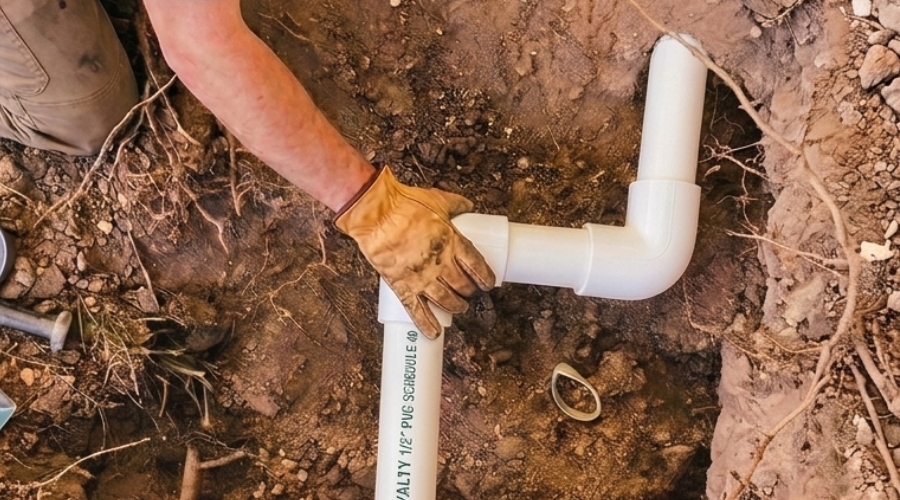
Schedule a Tankless System Evaluation

If your tankless water heater is throwing errors, losing performance, or you’re unsure whether repair or replacement makes more sense — a Loyalty Plumbing & Air professional will give you a clear, honest evaluation and present your options without pressure.

📞 (702) 213-7481

Author Loyalty Plumbing & Air — Nevada Licensed Residential Plumbing, Las Vegas Valley Loyalty Plumbing & Air is a locally owned, Nevada licensed residential plumbing company serving Las Vegas, Henderson, and North Las Vegas. Founded by Nick and Alexy, the company specializes in water heater systems, tankless installations, slab leaks, sewer services, and water treatment. All work is performed to 2018 UPC and Clark County standards.

Tankless Water Heaters in Las Vegas: Complete Guide for Desert Homeowners

Quick Summary

Tankless water heaters provide endless hot water by heating water on demand rather than storing it in a tank. In Las Vegas, these systems face unique challenges from extreme hard water and mineral buildup that can shorten their lifespan significantly. Homeowners considering tankless systems should understand maintenance requirements, proper sizing for desert conditions, and the critical importance of water treatment. Professional installation with proper venting, gas line upgrades, and annual descaling are essential for long-term performance in Las Vegas homes.

Who This Guide Is For

  • Homeowners considering switching from a tank water heater to tankless
  • Las Vegas residents experiencing premature tankless system failures
  • People researching endless hot water solutions for large families
  • Anyone comparing repair costs vs replacement on an existing tankless unit
  • Homeowners in Henderson, Summerlin, or North Las Vegas evaluating upgrade options
  • Property owners concerned about hard water damage to heating systems

Why Tankless Water Heaters Require Special Attention in Las Vegas

Las Vegas presents a uniquely challenging environment for tankless water heaters. While these systems work exceptionally well in many parts of the country, the extreme mineral content in our water creates conditions that dramatically affect performance and longevity.

The Las Vegas Valley receives water primarily from Lake Mead through the Colorado River system. This water contains high concentrations of calcium, magnesium, and dissolved minerals. When water passes through a tankless heat exchanger at high temperatures, these minerals precipitate out and form scale buildup inside the narrow passages of the unit.

Unlike traditional tank water heaters where sediment settles at the bottom, tankless systems force water through small channels in the heat exchanger. When scale forms in these passages, it restricts flow, reduces efficiency, and forces the system to work harder. Over time, this buildup can cause the unit to overheat, trigger error codes, or fail completely.

Desert climate conditions add another layer of stress. Las Vegas experiences significant temperature swings between day and night, particularly in fall and winter. Outdoor tankless installations must contend with cold overnight temperatures followed by intense afternoon heat. Indoor units installed in garages face similar challenges, as most Las Vegas garages are not climate controlled.

The combination of aggressive water chemistry and environmental extremes means that tankless water heaters in Las Vegas require more frequent maintenance than the same units would need in other regions. A system that might operate for years without service in a soft-water area could fail within three years in Las Vegas without proper care.

Signs You May Need Tankless Water Heater Service or Replacement

  • Inconsistent water temperature or sudden cold bursts during showers
  • Error codes displaying on the unit (common codes: 11, 12, 14, 61, 71)
  • Reduced hot water flow compared to when the system was new
  • Unit cycling on and off rapidly
  • Unusual noises such as rumbling, popping, or high-pitched sounds
  • Visible corrosion or mineral buildup around connections
  • Water leaking from the unit or pressure relief valve
  • System unable to maintain hot water with multiple fixtures running
  • Gas smell near the unit (call for immediate service)
  • Unit older than 10 years showing declining performance

What Most Las Vegas Homeowners Don’t Realize About Tankless Systems

They’re Not Maintenance-Free

Many homeowners purchase tankless systems believing they require no maintenance. In reality, annual descaling is critical in Las Vegas. Without it, mineral scale hardens inside the heat exchanger and eventually causes expensive failure. Builder-grade tankless units installed without maintenance plans often fail before the manufacturer’s warranty expires.

Water Quality Directly Impacts Lifespan

Across the Las Vegas Valley, we regularly see tankless systems fail within five to seven years when homeowners skip maintenance or lack proper water treatment. With annual descaling and a quality water softener, these same systems can last 15 to 20 years. The difference in long-term cost is substantial.

They Require Specific Gas Line and Venting Upgrades

Most tankless water heaters demand significantly more BTU capacity than traditional tank systems. In many Las Vegas homes built before 2010, the existing gas line is undersized. Proper installation requires upgrading the gas line from the meter, installing Category III stainless steel venting, and ensuring proper combustion air supply. Cutting corners on these requirements creates safety risks and performance problems.

Groundwater Temperature Affects Performance

Las Vegas groundwater temperature averages 65-70°F, which is warmer than many northern climates. While this helps tankless performance, homeowners still need properly sized units. A system adequate for two bathrooms in soft-water conditions may struggle to serve the same load in Las Vegas once mineral buildup begins restricting flow.

The PLAC Framework Explains Most Failures

In our experience throughout Henderson, North Las Vegas, and central Las Vegas neighborhoods, tankless failures almost always trace back to one or more PLAC factors:

Pressure – Excessive water pressure accelerates wear on internal components and can cause premature seal failure.

Lack of maintenance – Skipping annual descaling allows mineral scale to harden, restricting flow and forcing the heat exchanger to overheat.

Age – Units beyond 10 years begin experiencing component wear, sensor failures, and control board issues regardless of maintenance.

Calcium and corrosion – Las Vegas water chemistry is the primary stressor. Without water treatment, mineral buildup is inevitable and accelerates system degradation.

How a Licensed Las Vegas Plumber Diagnoses Tankless Water Heater Problems

Proper tankless diagnosis requires understanding both the mechanical system and the environmental conditions specific to Las Vegas homes.

Initial Inspection

The technician begins by gathering information about symptoms, system age, maintenance history, and household water usage patterns. We check for visible error codes, examine the installation location, and verify that venting and gas connections meet code requirements.

Water Quality Evaluation

We test incoming water pressure and evaluate evidence of mineral buildup. In many Summerlin and Green Valley homes, we inspect shutoff valves and supply lines for corrosion patterns that indicate water chemistry issues affecting multiple plumbing components.

System Testing

The technician activates multiple fixtures simultaneously to observe flow rate, temperature consistency, and recovery time. We monitor how the system responds to demand, whether it cycles properly, and if error codes appear under load.

Internal Component Assessment

When appropriate, we inspect the heat exchanger for scale buildup, check the flame sensor and ignition system, evaluate the pressure relief valve, and test flow sensors. Many failures in Las Vegas relate directly to mineral deposits affecting these components.

Code Compliance Review

We verify that the installation meets current 2018 Uniform Plumbing Code requirements, including proper venting configuration, adequate combustion air, appropriate gas line sizing, and correct electrical connections. Many older tankless installations in central Las Vegas and Winchester neighborhoods do not meet current standards.

Maintenance History Verification

We determine when the system was last descaled, whether water treatment is present, if isolation valves were installed for service, and whether the system has received manufacturer-recommended maintenance.

Final Recommendation

Based on these findings, we provide clear options: descaling service if the system is salvageable, component replacement if specific parts have failed, or full replacement if the heat exchanger is severely scaled or the system has reached end of life.

Repair vs Replacement: How to Decide

Determining whether to repair or replace a tankless water heater depends on several factors specific to Las Vegas conditions.

Repair Makes Sense When:

  • The system is less than 8 years old
  • Annual maintenance has been performed regularly
  • The problem is a specific component failure (ignition, sensor, pressure switch)
  • The heat exchanger shows minimal scale buildup
  • The unit has been protected by water treatment
  • Error codes indicate a repairable issue rather than heat exchanger failure
  • The installation meets current code requirements

Replacement Is the Better Choice When:

  • The system is 10+ years old
  • The heat exchanger is heavily scaled from years without maintenance
  • Multiple components are failing simultaneously
  • Repair costs exceed 50% of replacement cost
  • The unit is undersized for current household needs
  • The installation lacks proper venting or gas line capacity
  • The system has experienced repeated failures
  • No water treatment is in place and the homeowner doesn’t plan to add it

Critical Considerations for Las Vegas Homes

In older central Las Vegas neighborhoods and parts of Sunrise Manor, we frequently encounter tankless units installed between 2005-2015 that are now experiencing heat exchanger failure from accumulated mineral scale. If the system has never been descaled and has operated for 7+ years in Las Vegas water, the scale buildup is often irreversible.

Replacement becomes an opportunity to properly size the system, upgrade gas lines and venting to current code, add isolation valves for future maintenance, and integrate water treatment to protect the new investment.

Many homeowners in Providence and Centennial Hills discover during replacement that their original installation lacked proper venting or used undersized gas lines. Correcting these deficiencies during replacement prevents future problems and ensures code compliance.

Cost Considerations in the Las Vegas Market

Tankless water heater costs vary significantly based on installation complexity, system capacity, and whether upgrades are required.

Factors Affecting Installation Cost

Gas Line Upgrades – Most tankless installations require upgrading from 1/2″ to 3/4″ gas line from the meter to the unit. In larger homes or installations distant from the gas meter, costs increase accordingly. Homes in older Las Vegas neighborhoods often need more extensive gas line work.

Venting Requirements – Tankless systems require Category III stainless steel venting. Runs longer than 10 feet, multiple elbows, or roof penetrations increase material and labor costs. Outdoor installations eliminate venting concerns but require freeze protection in winter.

Electrical Requirements – Most tankless units need dedicated 110V or 120V electrical circuits. Adding new circuits or upgrading electrical panels adds cost.

Permit and Inspection Fees – Clark County requires permits for tankless installations. Permit costs vary based on system value and whether electrical or gas work is included. We always pull required permits to ensure code compliance and protect homeowner interests.

Water Treatment Integration – Installing a water softener simultaneously with a tankless system reduces overall project cost compared to separate installations. Given the critical importance of water treatment in Las Vegas, many homeowners choose this approach.

Accessibility and Location – Attic installations, crawl space work, or installations requiring significant piping modifications increase labor complexity. Exterior installations on second floors may require scaffolding.

System Capacity – Tankless units are sized by gallons per minute (GPM) and temperature rise capability. Larger homes or households with high simultaneous demand require higher-capacity units. A properly sized system for a 2,500 square foot Las Vegas home with 3.5 bathrooms differs significantly from a 1,200 square foot home with two bathrooms.

General Cost Ranges

While exact pricing depends on the factors above, Las Vegas homeowners can expect:

Basic tankless installation with minimal modifications: Mid-range investment

Installation requiring gas line upgrade and venting work: Moderate to higher investment

Complete installation with electrical upgrades, extensive venting, and water treatment: Comprehensive investment

Descaling service for maintenance: Annual service investment

Component repair: Varies by part and labor complexity

These ranges reflect licensed, insured, code-compliant installations with proper permits and inspections.

DIY vs Hiring a Professional

Tankless water heater installation is not a DIY project for most homeowners.

Where DIY Is Reasonable

Homeowners with proper tools and knowledge can handle routine maintenance such as annual descaling using manufacturer-approved descaling solution and a submersible pump. This involves connecting hoses to service valves and circulating descaling solution through the heat exchanger for 45-60 minutes.

Visual inspections of venting, checking for error codes, and monitoring system performance are appropriate DIY activities.

Where Professional Service Becomes Essential

Initial Installation – Tankless installation requires gas line sizing calculations, proper venting design, electrical work, and code knowledge. Las Vegas requires licensed contractors for this work. Improper installation creates carbon monoxide risks, fire hazards, and can void manufacturer warranties.

Gas Line Work – Any modification to gas piping must be performed by a licensed plumber. Gas leaks are dangerous and potentially deadly.

Venting Modifications – Improper venting can allow combustion gases to enter the home. Category III venting requires specific materials and installation techniques.

Electrical Connections – Most tankless units require dedicated circuits. Electrical work should meet National Electrical Code requirements.

Permit and Inspection Process – Clark County requires permits for tankless installations. Pulling permits without a contractor’s license is not permitted.

Complex Repairs – Heat exchanger service, control board replacement, gas valve work, and internal component repairs require specialized knowledge and tools.

Risks of Improper Installation

Throughout the Las Vegas Valley, we regularly encounter tankless systems installed without permits, using improper venting materials, connected to undersized gas lines, or lacking required safety devices. These installations create liability for homeowners and can complicate insurance claims if water damage or fire occurs.

Manufacturer warranties often require professional installation. DIY installation or work by unlicensed contractors may void warranty coverage, leaving homeowners fully responsible for premature failures.

Building code violations discovered during home sales can delay closing or require expensive corrections before the property can transfer.

Frequently Asked Questions

How long do tankless water heaters last in Las Vegas?

With annual maintenance and proper water treatment, tankless water heaters can last 15-20 years in Las Vegas homes. Without maintenance, the extreme mineral content in our water typically causes failure within 5-8 years. The PLAC framework helps explain this variation—systems protected from calcium buildup and maintained properly far outlast those operating in untreated hard water.

Do I really need to descale my tankless water heater every year?

In Las Vegas, annual descaling is essential. Our water contains high mineral concentrations that form scale inside the heat exchanger. This scale acts as insulation, forcing the unit to overheat and eventually fail. Across Henderson and North Las Vegas, we see the difference clearly—well-maintained systems continue performing efficiently while neglected units fail prematurely. Annual service is far less expensive than premature replacement.

Will a tankless water heater save money on energy bills?

Tankless systems are more efficient because they don’t maintain a tank of hot water 24/7. However, actual savings in Las Vegas homes depend on usage patterns and natural gas rates. Families using significant hot water see meaningful savings. Smaller households may find savings minimal. The primary benefits are endless hot water and longer lifespan with proper care, not dramatic utility bill reductions.

Can I install a tankless water heater in the same location as my tank heater?

Often yes, but not always. Tankless units require different venting (Category III stainless steel), typically need gas line upgrades, and must have adequate combustion air. In many older Las Vegas homes, the existing water heater closet requires modifications. Outdoor installation is common in our climate and eliminates some of these concerns while creating easier access for maintenance.

What size tankless water heater do I need for a Las Vegas home?

Sizing depends on how many fixtures you use simultaneously and the desired temperature rise. A typical Las Vegas household with 2-3 bathrooms needs a unit capable of 7-9 GPM. Larger homes in Summerlin or Green Valley with 4+ bathrooms often require 9-11 GPM capacity. Proper sizing requires calculating peak demand and accounting for our groundwater temperature, which averages 65-70°F.

Should I install a water softener with my tankless system?

In Las Vegas, water treatment is highly recommended for tankless longevity. A quality water softener removes the calcium and magnesium that cause scale buildup. Many homeowners in Providence and Mountain’s Edge who install water treatment with their tankless systems report trouble-free operation for 10+ years with only annual maintenance. Without treatment, the same systems would likely fail much sooner.

What’s the difference between condensing and non-condensing tankless water heaters?

Condensing tankless units capture heat from exhaust gases, making them more efficient. They can vent using PVC pipe and achieve higher efficiency ratings. Non-condensing units require stainless steel venting and waste more heat. For Las Vegas homes, condensing units offer better long-term value despite higher upfront cost. They also provide more flexible venting options, which helps in retrofit situations.

Why does my tankless water heater display error codes?

Error codes indicate specific problems. Common codes in Las Vegas include scale buildup (code 11 or 12), ignition failure (code 14), overheating (code 11 or 71), or flow sensor issues (code 61). Many codes relate directly to mineral buildup from our hard water. When error codes appear, professional diagnosis determines whether descaling, component replacement, or other service is needed.

Real Scenario in a Las Vegas Home

A homeowner in a 2006-built home in Summerlin South contacted us after their tankless water heater began showing error code 11 and delivering inconsistent hot water temperature. The family had purchased the home three years earlier and was unaware that tankless systems required annual maintenance.

During inspection, we found a natural gas tankless unit installed in the garage with proper venting and gas line capacity. However, the heat exchanger showed significant mineral scale buildup from seven years of operation in untreated Las Vegas water. No water softener was present, and the system had never been descaled.

The unit still functioned but was operating at reduced efficiency. We explained the PLAC framework—this was a clear case of calcium buildup (the C in PLAC) causing restricted flow and overheating. The lack of maintenance (L in PLAC) had allowed the problem to progress beyond simple descaling.

We presented two options: a comprehensive descaling attempt that might restore partial function but wouldn’t fully clear seven years of hardened scale, or replacement with a properly sized modern unit, gas line verification, integration with a new water softener, and installation of isolation valves for future maintenance.

The homeowner chose replacement with water treatment. We installed a new condensing tankless unit sized appropriately for their four-person household, added a whole-house water softener to protect the investment, installed isolation valves for easy future descaling, and established them on an annual maintenance plan.

Two years later, the system continues performing efficiently. The homeowner reports dramatically softer water throughout the house, no mineral buildup on fixtures, and confidence that their investment is protected. Their only regret was not installing water treatment sooner.

Why Working With a Local Las Vegas Plumbing Company Matters

Tankless water heater success in the Las Vegas Valley requires more than following manufacturer instructions. It demands understanding how our specific water chemistry, climate conditions, and housing construction affect system performance.

Local plumbing companies working throughout Las Vegas, Henderson, and North Las Vegas encounter the same mineral buildup patterns, the same builder-grade installations, and the same premature failure scenarios repeatedly. This experience translates to accurate diagnosis, realistic longevity expectations, and practical recommendations.

A plumber familiar with Las Vegas conditions knows that Clark County permits are required, understands local inspection processes, recognizes which installations will pass inspection, and maintains working relationships with inspectors. Companies serving Summerlin, Centennial Hills, and surrounding communities understand neighborhood construction patterns and common installation challenges.

Nevada licensing ensures that plumbers have passed required examinations, carry appropriate insurance, and operate under state oversight. When problems arise, licensed contractors are accountable through the Nevada State Contractors Board. Homeowners working with licensed, local professionals have clear recourse if issues develop.

Our technicians work daily in Las Vegas homes and see firsthand what works long-term in our environment. This isn’t theoretical knowledge from manufacturer training—it’s practical experience gained from thousands of service calls addressing real-world Las Vegas plumbing conditions.

Final Summary

Tankless water heaters offer significant benefits for Las Vegas homeowners, including endless hot water, space savings, and longer lifespan with proper care. However, success requires understanding the unique challenges our hard water and desert climate create.

The key factors for tankless longevity in Las Vegas:

Annual maintenance is essential, not optional. Descaling removes mineral buildup before it causes permanent damage.

Water treatment dramatically extends system life by removing the calcium and minerals that cause scale.

Professional installation ensures proper sizing, code-compliant gas lines and venting, and correct integration with home systems.

Realistic expectations about maintenance costs and requirements help homeowners protect their investment.

The PLAC framework—Pressure, Lack of maintenance, Age, and Calcium/corrosion—explains most tankless failures in Las Vegas. Addressing these factors proactively prevents expensive premature replacement.

For homeowners throughout Las Vegas, Henderson, North Las Vegas, and surrounding communities, tankless systems can provide reliable service for 15-20 years when properly installed, maintained annually, and protected by water treatment. Without this care, the same systems often fail within five to eight years.

Professional evaluation determines whether repair or replacement makes sense for your specific situation. We provide clear options, transparent cost factors, and honest assessment of what your system needs for long-term reliability.

If you’re considering a tankless water heater for your Las Vegas home, experiencing error codes or performance issues, or haven’t had your system descaled in over a year, professional evaluation provides clarity.

Loyalty Plumbing & Air serves homeowners throughout the Las Vegas Valley with structured diagnostics, clear options, and code-compliant installations. We understand how hard water affects tankless systems and provide realistic guidance based on field experience in local conditions.

Our Golden Guarantee reflects our commitment to doing the job correctly and standing behind our work long after installation. Whether you need annual descaling, system diagnosis, or new installation with water treatment, we approach every call with the same professional standards.

Serving Las Vegas, North Las Vegas, Henderson, and surrounding communities including Summerlin, Centennial Hills, Green Valley, Providence, Enterprise, Mountain’s Edge, and throughout Clark County.

Author Bio

This guide was prepared by the licensed plumbing professionals at Loyalty Plumbing & Air, a Nevada licensed residential plumbing company serving the Las Vegas Valley. With extensive experience in tankless water heater installation, maintenance, and repair throughout Las Vegas, Henderson, and North Las Vegas, our team understands the specific challenges desert conditions and hard water create for these systems. We approach every installation and service call with structured diagnostics, clear communication, and a commitment to long-term solutions built for Las Vegas homes.